René Magritte, a Belgian surrealist painter, revolutionized the art world with his thought-provoking images that challenge reality and perception. His work often blends everyday objects with unexpected contexts, inviting viewers to question what they see.
Magritte’s unique style continues to inspire artists and thinkers alike, making his paintings timeless puzzles of meaning. Exploring his art offers a fascinating glimpse into the mind of a visionary who blurred the lines between dreams and reality.
Let’s dive deeper and uncover the intriguing world behind his masterpieces!
The Playful Juxtaposition of Everyday Objects
Breaking the Familiar
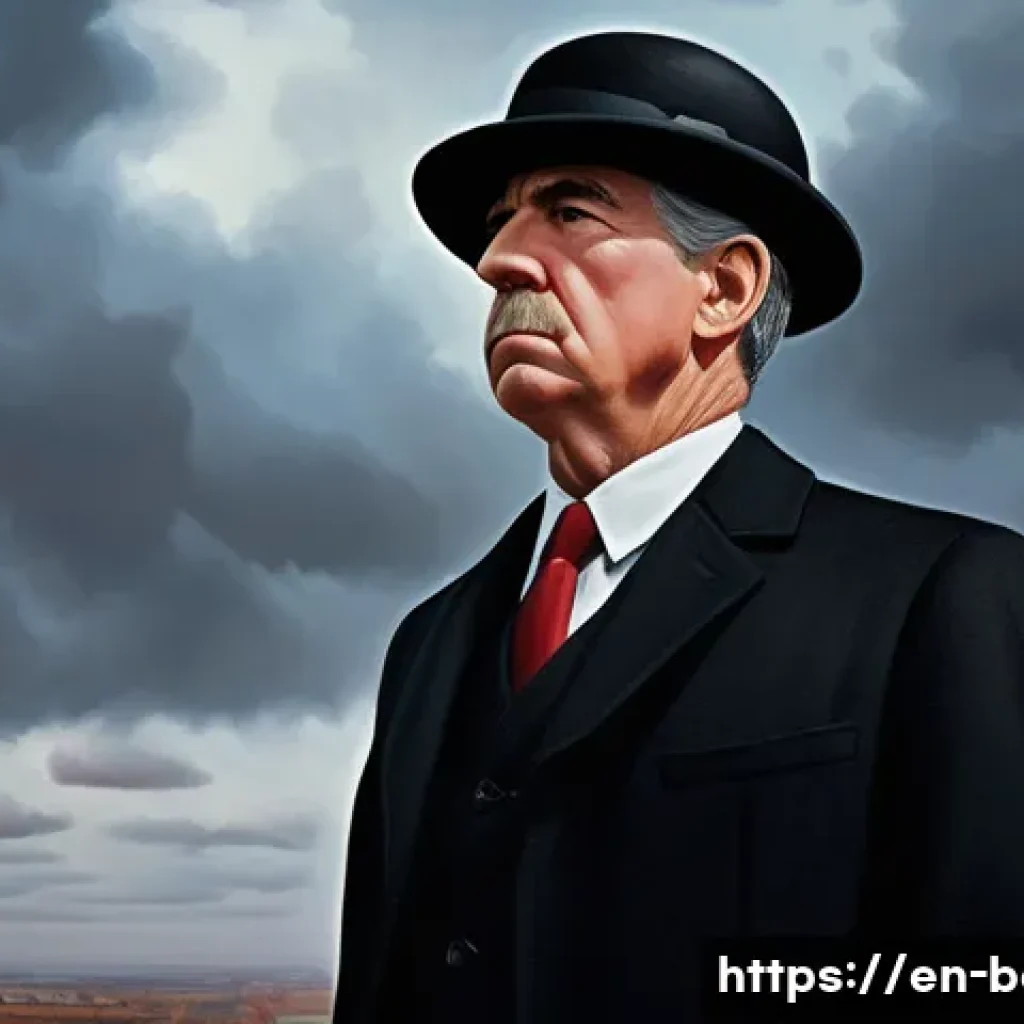
Magritte had this uncanny ability to take objects we see daily and place them in settings that make us pause and rethink their purpose. Imagine a simple apple floating in front of a man’s face or a bowler hat disguising a person’s head.
It’s not just about odd placement; it’s about disrupting our automatic assumptions. When I first encountered his work, I found myself staring longer than usual, trying to reconcile the familiar with the strange.
This deliberate clash forces us to confront the limits of our perception and reminds us that reality isn’t always as straightforward as it seems.
Visual Puns and Hidden Meanings
His paintings often act like visual riddles or puns, where the meaning isn’t immediately clear but reveals itself gradually. For example, a pipe labeled “This is not a pipe” challenges language and representation, making you question how images and words relate to reality.
It’s a mind-bending experience that feels playful yet deeply philosophical. I’ve noticed that sharing these works with friends often sparks fascinating conversations about how we interpret symbols and signs in our daily lives.
Emotional Resonance Through the Unexpected
What’s remarkable is how these unusual combinations evoke emotional reactions ranging from amusement to unease. It’s as if Magritte’s art taps into the subconscious, stirring feelings that words alone can’t capture.
Personally, I’ve felt a strange mix of curiosity and slight discomfort when viewing his paintings—like peeking behind a curtain that hides the true nature of things.
This emotional tug is a big part of why his art remains so compelling decades after it was created.
Innovative Techniques That Defy Conventions
Mastery of Realism with a Twist
Magritte’s technique stands out because he painted with meticulous realism, yet the scenes he created were anything but realistic. This paradox is what makes his work so captivating.
The precision in his brushwork makes the surreal elements more convincing, forcing viewers to believe in the impossible. I recall spending hours examining the fine details in his paintings, appreciating how the realistic textures contrasted with the bizarre subject matter, enhancing the overall impact.
Use of Light and Shadow to Enhance Mystery
Light and shadow in Magritte’s work aren’t just about creating depth; they’re tools to amplify ambiguity. Subtle shadows can obscure parts of a scene, while stark lighting highlights unexpected details.
This careful control manipulates the viewer’s focus and adds layers of meaning. From my experience, this technique creates a cinematic atmosphere where each glance reveals something new, almost like uncovering secrets hidden in plain sight.
Repetition and Variation for Visual Impact
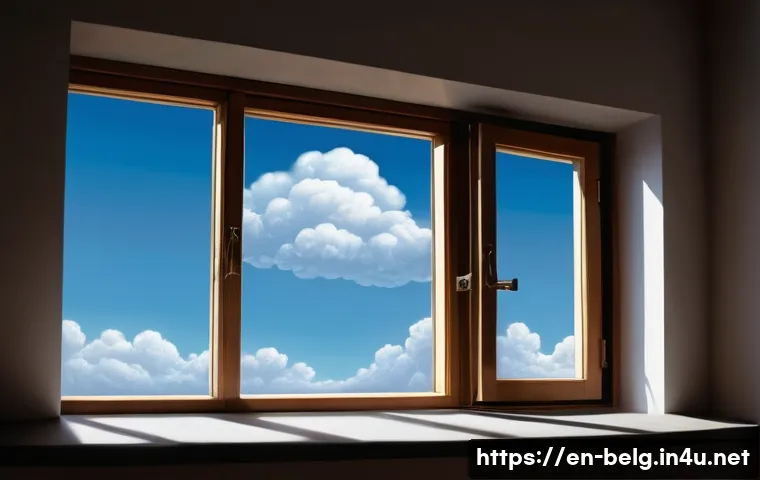
He often repeated motifs like windows, clouds, and silhouettes but varied their context, creating a rhythm that feels both familiar and unsettling. This repetition builds a visual language that feels like a private code between the artist and the viewer.
I found this approach particularly engaging because it invites you to look for patterns and connections, making each viewing an active discovery rather than passive observation.
The Philosophical Underpinnings of Surrealism
Challenging Objective Reality
Magritte’s art isn’t just about strange images; it’s a philosophical challenge to the notion that what we see is the ultimate truth. His paintings invite us to question the reliability of our senses and the assumptions we make about the world.
I’ve always been fascinated by how this aligns with broader existential questions—are we really seeing the world as it is, or just a filtered version shaped by our minds?
Exploring the Unconscious Mind
Inspired by Freudian ideas, his work delves into the unconscious, dreams, and the irrational. This exploration makes his paintings feel like visual dreams, where logic is suspended and new meanings emerge.
When I look at his work, I often feel like I’m stepping into a dreamscape where ordinary rules don’t apply, and that sense of freedom is both liberating and unsettling.
The Role of Mystery in Human Experience
Magritte embraced mystery instead of trying to resolve it, suggesting that some questions are meant to remain open-ended. This acceptance of ambiguity resonates deeply with me because it reflects real life—rarely do we have all the answers.
His art encourages us to embrace uncertainty and find beauty in the unknown, a perspective that feels refreshing in our fast-paced, information-saturated world.
Symbolism and Recurring Motifs
Windows and Doors as Portals
Windows and doors frequently appear in his paintings, symbolizing transitions between reality and imagination. They often frame impossible views or obscure what lies beyond, emphasizing the idea of perception as a barrier.
I find these elements fascinating because they suggest that what we see is always partial, and there’s always something hidden just out of reach.
The Human Figure as Enigma
Figures in his work often lack faces or are obscured by objects, turning them into anonymous symbols rather than individuals. This anonymity invites viewers to project their own interpretations and emotions onto the figures.
In my own experience, this technique creates a universal quality, making the paintings feel personal yet mysterious at the same time.
Natural Elements in Surreal Contexts
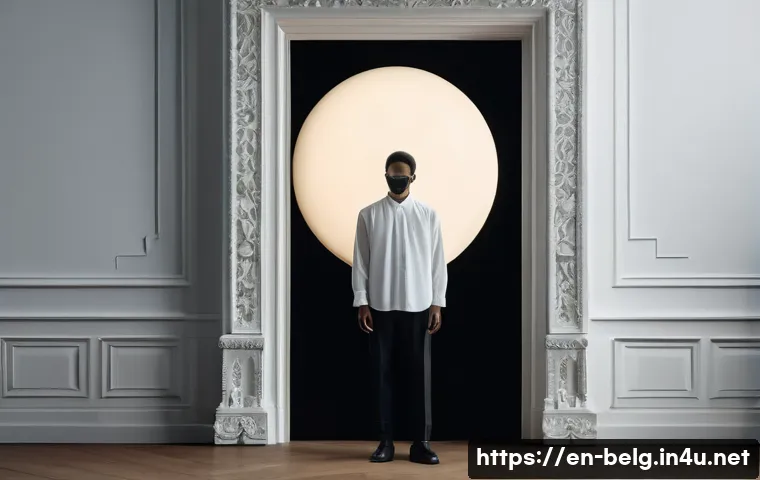
Clouds, skies, and landscapes appear in unexpected ways, such as floating above interiors or forming impossible shapes. These natural elements connect the familiar with the fantastical, grounding surrealism in something recognizable.
This blending of nature and imagination always reminds me how our minds can reshape reality into something poetic and profound.
The Enduring Influence on Contemporary Art
Inspiration for Modern Visual Artists
Many contemporary artists cite Magritte as a key influence, especially those exploring surrealism, conceptual art, and mixed media. His approach to combining realism with the absurd opened new doors for creativity.
I’ve noticed exhibitions and installations that echo his themes, showing how his legacy continues to inspire fresh ideas and bold experimentation.
Impact Beyond Painting: Film and Advertising
Magritte’s imagery has transcended traditional art spaces, influencing filmmakers, advertisers, and graphic designers. His visual style, with its enigmatic and memorable imagery, lends itself perfectly to storytelling and branding that aims to captivate and provoke thought.
From personal experience, spotting references to his work in commercials or movie scenes is always a delightful surprise that adds a layer of depth.
Magritte in Popular Culture
His paintings have become iconic symbols used in everything from album covers to fashion. This widespread adoption speaks to the universal appeal and adaptability of his ideas.
It’s fascinating how his art, rooted in surrealism, has become a cultural touchstone, shaping how we visualize mystery and the unexpected in everyday life.
Summary of Key Characteristics and Their Effects
| Characteristic | Description | Effect on Viewer |
|---|---|---|
| Juxtaposition of Ordinary Objects | Combining everyday items in unusual contexts | Challenges perception and provokes curiosity |
| Realistic Painting Style | Meticulous, lifelike brushwork | Makes surreal scenes believable and immersive |
| Use of Symbolism | Recurring motifs like windows, pipes, and hats | Encourages interpretation and emotional connection |
| Philosophical Themes | Questions about reality, language, and the unconscious | Stimulates intellectual and existential reflection |
| Mystery and Ambiguity | Open-ended images and unresolved puzzles | Invites ongoing curiosity and personal meaning-making |
The Emotional Connection Behind the Surreal
Engaging the Viewer’s Imagination
Magritte’s paintings don’t just present images; they actively engage the viewer’s imagination. When I gaze upon his work, I find my mind wandering through layers of possible interpretations, each more intriguing than the last.
This imaginative engagement creates a personal dialogue between the artwork and the observer, making each experience unique.
Evoking a Sense of Wonder
There’s a childlike wonder in the way everyday objects are transformed into something magical or puzzling. This feeling is a big part of why his art resonates so deeply.
Personally, I often feel a burst of delight mixed with puzzlement, as if seeing the world through fresh eyes. It’s an emotional rollercoaster that stays with you long after you’ve looked away.
Creating a Space for Reflection
Beyond the initial surprise, his paintings offer a quiet space for reflection. They slow you down and encourage thoughtful contemplation about what’s real and what’s imagined.
This meditative quality is something I’ve come to appreciate more with each viewing, as it provides a welcome break from the noise and speed of everyday life.
글을 마치며
Magritte’s art invites us to see the world through a lens that blends the familiar with the mysterious, sparking curiosity and deep reflection. His playful yet profound approach challenges our perceptions and keeps us engaged long after the first glance. Experiencing his work is like stepping into a dream where reality is fluid and open to endless interpretation. This lasting impact is why his surreal visions continue to captivate and inspire across generations.
알아두면 쓸모 있는 정보
1. Magritte’s use of everyday objects in unusual contexts encourages viewers to rethink their assumptions and notice the extraordinary in the ordinary.
2. His realistic painting style enhances the surreal nature of his scenes, making impossible ideas feel believable and immersive.
3. Recurring symbols such as windows, pipes, and hats carry layered meanings, inviting personal interpretation and emotional connection.
4. The philosophical themes in his work challenge the reliability of our senses and explore the unconscious mind, deepening intellectual engagement.
5. Magritte’s legacy extends beyond painting into film, advertising, and popular culture, showing the wide-reaching influence of his surreal imagery.
중요 사항 정리
Magritte’s art masterfully combines meticulous realism with surreal concepts, creating a unique tension that captivates viewers. His recurring motifs and philosophical themes invite ongoing interpretation, encouraging us to question reality and embrace ambiguity. The emotional resonance of his work engages the imagination and offers a space for wonder and reflection. This blend of technique, symbolism, and mystery is what makes his contributions to art enduring and influential.
Frequently Asked Questions (FAQ) 📖
Q: What makes René Magritte’s art different from other surrealist painters?
A: Magritte’s art stands out because he used everyday objects in surprising and often contradictory ways, which forces viewers to rethink what they assume about reality.
Unlike some surrealists who focused on dreamlike, chaotic imagery, Magritte’s work is more subtle and intellectual—he blends the familiar with the strange in a way that’s both accessible and deeply puzzling.
When I first saw his painting “The Treachery of Images,” it made me realize how much we take visual language for granted. His clever use of simple objects invites you to question not just the art but the nature of perception itself.
Q: How did Magritte influence modern art and culture?
A: Magritte’s impact on modern art is huge—his ideas about challenging reality and perception have influenced countless artists, filmmakers, and even advertisers.
His style encourages people to look beyond the obvious and embrace ambiguity, which has become a key theme in contemporary visual culture. Personally, I’ve noticed how many movies and ads borrow his technique of placing ordinary things in unexpected contexts to grab attention.
His work continues to inspire creativity because it opens up a conversation about what is real versus what is imagined, a topic that’s more relevant than ever in today’s digital world.
Q: What are some common themes in Magritte’s paintings?
A: Common themes in Magritte’s work include the relationship between objects and their meanings, the mystery of identity, and the tension between reality and illusion.
He often used motifs like bowler hats, clouds, and windows to create a dreamlike atmosphere that feels both familiar and strange. From my experience studying his paintings, there’s always a sense that something is just out of reach—a puzzle that challenges you to think harder.
This mix of simplicity and complexity is what makes his art so engaging and timeless.