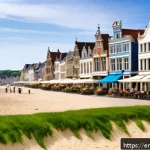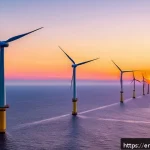
Hey there, fellow global explorers! As someone who loves diving deep into what makes countries tick, I’ve always been fascinated by Belgium. It might be geographically compact, but its economic structure is anything but small – it’s a vibrant, incredibly open economy that acts as a true crossroads of Europe, a major hub for trade and logistics in our interconnected world.
Think about it: bustling ports, innovative industries like pharmaceuticals and chemicals, and a powerhouse service sector rooted right in the heart of the EU with Brussels hosting so many international organizations.
While Belgium’s economy has shown remarkable resilience to recent global shocks, it’s also navigating some intriguing challenges, from adapting to shifting external demand and trade uncertainties to strategically managing its public finances and addressing labor market shifts.
I’ve been really digging into the latest trends and future predictions, and I’m genuinely excited to share what makes this country’s economic pulse so unique.
So, let’s get into the nitty-gritty of Belgium’s economic landscape right now!
Belgium: Europe’s Unrivaled Gateway and Logistics Powerhouse
A Central Role in Global Supply Chains
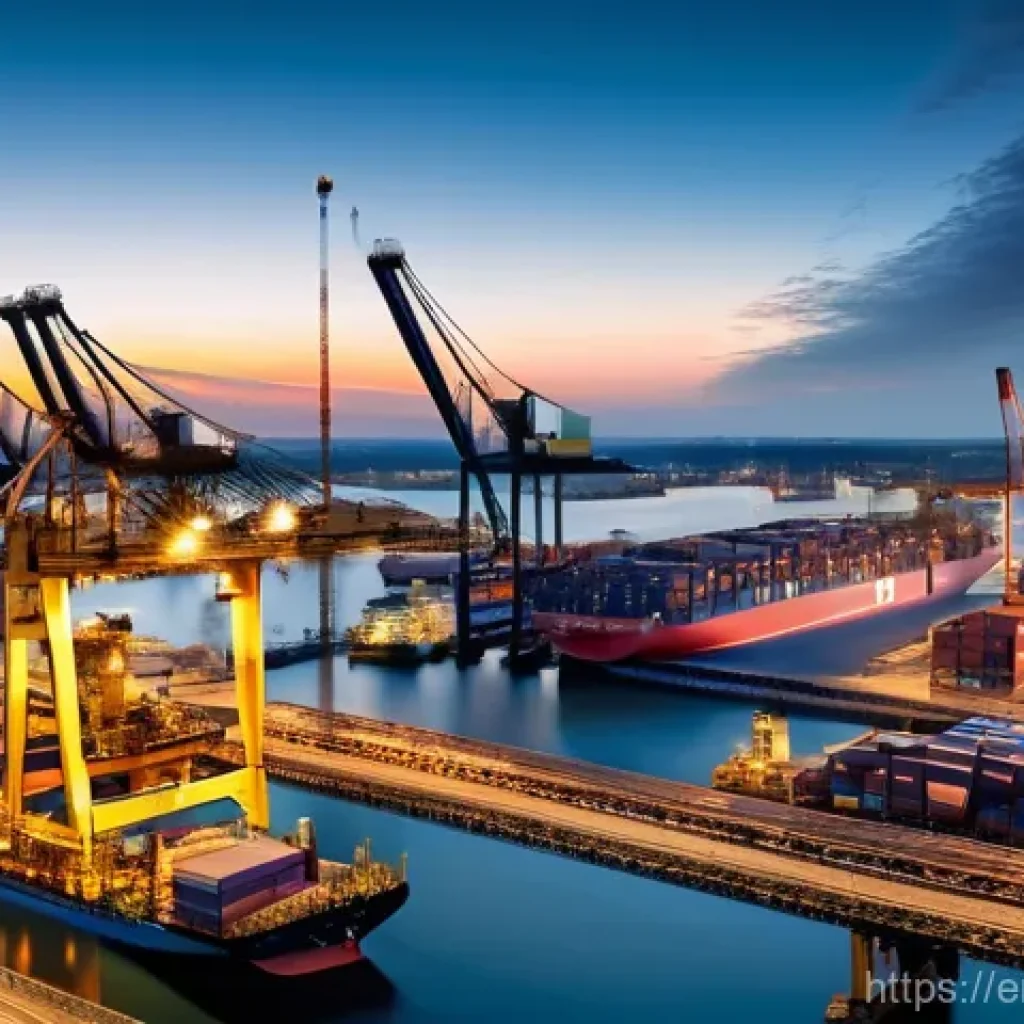
You know, whenever I look at a map of Europe, Belgium just screams “central hub.” And that’s not just my imagination running wild! This relatively small nation truly is a pivotal trade and logistics hub in Northwestern Europe, handling over 98% of its international trade volume. It’s no wonder, given its prime location, nestled right between economic giants like France, Germany, the Netherlands, and the UK. This strategic positioning means that within a 500-kilometer radius of Belgium, you can access over 500 million consumers! I’ve seen firsthand how efficient their transport infrastructure is, seamlessly connecting sea, air, rail, and road. It makes me think of a well-oiled machine, ensuring goods can move quickly and cost-effectively across the continent. This isn’t just theory; it’s a daily reality for countless businesses relying on Belgium to keep their supply chains humming. The country’s dense highway network, for instance, is one of the best in Europe, linking major cities and industrial zones with incredible speed and reliability.
Ports of Power: Antwerp and Zeebrugge Leading the Charge
When you talk about Belgium’s logistics might, you simply *have* to talk about its ports. The Port of Antwerp, for example, isn’t just Belgium’s largest container hub; it’s the second-largest port complex in Europe after Rotterdam and one of the world’s most important logistics and distribution centers. It’s a massive operation, handling millions of tons of diverse cargo, from containers to chemicals, and boasting connections to over 800 destinations worldwide. I remember reading about how the region around Antwerp has even become the second-largest chemical cluster globally and Europe’s largest petrochemical center, which is just mind-blowing! And then there’s Zeebrugge, Belgium’s premier coastal port, also playing a crucial role. These ports aren’t just about moving goods; they’re massive employers and drivers of economic growth, constantly investing in new capacity and efficiency improvements. It’s clear that these maritime gateways are the literal backbone of Belgium’s global trade presence, and their continuous evolution is something truly remarkable to observe.
Innovation Nation: Unpacking Belgium’s Cutting-Edge Industries
Pharmaceuticals and Chemicals: A Legacy of Excellence
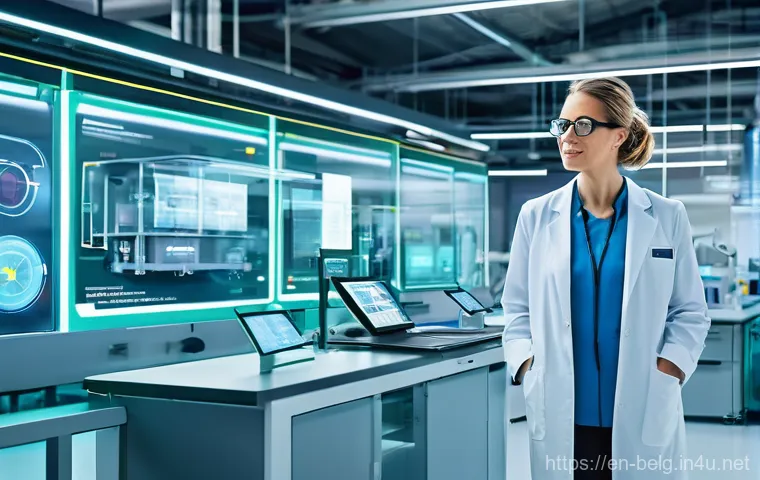
I’ve always been fascinated by how certain countries become leaders in specific industries, and for Belgium, pharmaceuticals and chemicals immediately come to mind. This isn’t a new development; it’s a deeply entrenched legacy of excellence and continuous innovation. Belgium hosts Europe’s largest integrated chemical cluster, particularly around the Port of Antwerp, which has attracted major global players. It’s a testament to the robust research and development ecosystem here. When it comes to pharmaceuticals, Belgium is a real powerhouse. It ranks high among EU states for pharmaceutical research spending, which makes perfect sense when you consider the number of global pharma giants with significant operations here. This sector isn’t just about manufacturing; it’s about pushing the boundaries of medical science, bringing new life-saving treatments to the world. It’s an exciting space to watch, constantly evolving with new discoveries and advancements, and Belgium is right at the forefront.
Digital Transformation and High-Tech Frontiers
But Belgium isn’t just resting on its laurels with traditional industries. Oh no, this country is seriously embracing the future, especially in digital transformation and high-tech sectors. I was genuinely impressed to learn that Belgium ranks as the second most digitalized economy in the EU, with a staggering 90% of its firms having integrated digital technologies into their operations. And get this: a whopping 65% of Belgian businesses are already using IoT technology, far ahead of the EU average! This isn’t just about adopting technology; it’s about pioneering new solutions. Belgian companies are also prioritizing innovation, with a higher percentage investing in new products and services compared to the EU average. We’re talking about significant investments in intangible assets like software and data. It truly feels like walking into a sci-fi movie sometimes, seeing how quickly they adapt and innovate. This focus on digital skills, R&D tax credits, and innovation grants really shows a forward-thinking approach to shaping the economy. It’s a clear signal that Belgium is serious about being a leader in the digital age, and that’s a trend I’m absolutely here for.
Brussels: More Than Just Waffles – A Global Service Powerhouse
The Unseen Engine: International Organizations and Diplomacy
When you think of Brussels, sure, delicious waffles and exquisite chocolates might come to mind first – and honestly, who could blame you? But delve a little deeper, and you’ll uncover the incredible economic engine that hums beneath the surface: its role as a global capital of international organizations and diplomacy. As the de facto capital of the European Union, Brussels is home to a staggering number of EU institutions, NATO headquarters, and countless other international bodies. I’ve always been amazed by the sheer density of global decision-making happening right here. This international presence isn’t just symbolic; it creates a massive service sector economy. Estimates suggest that the international sector accounts for a significant portion of Brussels’s workforce and GDP. Think about it: all those diplomats, lobbyists, consultants, journalists, and support staff – they all contribute immensely to the local economy, from real estate to restaurants. The “Brussels effect,” where EU regulations influence global standards, is a powerful testament to the city’s regulatory capacity and market importance. This unique blend of politics and commerce makes Brussels an incredibly dynamic and influential economic center, far beyond its size.
Tourism and Business Services: A Thriving Ecosystem
Beyond its diplomatic gravitas, Brussels also thrives as a vibrant hub for tourism and business services. Its easy accessibility and central geographic location in Western Europe make it a natural magnet for visitors. I’ve personally used Brussels as a convenient base for exploring other European cities, and I know many others who do the same. This constant flow of tourists, both leisure and business, fuels a robust hospitality sector, from charming boutique hotels to world-class conference venues. In fact, a significant portion of business tourism in Brussels is directly linked to its European role, highlighting that synergy between its institutional and commercial appeal. The city is also a major commercial and financial center for Belgium, hosting a dense network of business support services. This includes everything from legal and financial consulting to marketing and tech support, all catering to both local and international businesses. It’s truly a testament to the city’s adaptability and dynamism that it manages to balance its weighty political role with such a thriving and diverse service economy. When you walk through the Grand Place or explore the bustling European Quarter, you can really feel that energetic pulse of global connection.
Navigating the Shifting Sands: Belgium’s Economic Resilience and Global Challenges
Bouncing Back: Resilience in the Face of Shocks
Honestly, it feels like we’ve all been on a roller coaster these past few years, hasn’t it? From global pandemics to energy crises, the economic landscape has been anything but predictable. What I’ve really noticed about Belgium, though, is its remarkable resilience. Despite being a highly open economy, which usually means greater exposure to global shocks, Belgium has managed to navigate these turbulent waters pretty well. They’ve been proactive with policy responses, which has clearly helped cushion the blow. While growth saw some slowdown in 2024, there’s a general expectation for a continued, albeit tame, recovery into 2025 and 2026, with GDP growth projected to hover around 1% to 1.1%. I think a lot of this resilience comes from a diversified economic base, a strong commitment to the EU, and a capacity to adapt. It’s not about avoiding challenges entirely, because that’s just impossible, but about having the underlying strength and agility to absorb them and keep moving forward. That, to me, is true economic grit.
External Demand and Trade Uncertainties: The Global Ripple Effect
However, even with impressive resilience, being such an open economy means Belgium is intrinsically linked to the health of the global economy. This creates a fascinating dance with external demand and trade uncertainties. I’ve seen reports indicating that weaker international trade and decreased exports have been a factor in some recent growth slowdowns. When major trading partners like Germany and France face economic headwinds, Belgium definitely feels the ripple effect. Think about potential tariff threats or geopolitical tensions – these aren’t abstract concepts for a country like Belgium; they have very real consequences for its export-driven industries. While net exports had a slightly positive contribution to growth recently, there are forecasts for it to temper activity in the near future. It’s a constant balancing act, trying to maintain competitiveness and diversify trade partners while navigating a global landscape that sometimes feels like quicksand. From my perspective, this makes strategic trade policies and robust diplomatic relations incredibly vital for Belgium’s continued economic health.
Addressing Domestic Dynamics: Public Finances and Labor Market Evolution
The Tightrope Walk of Public Finances
Let’s talk about public finances – it’s a topic that can get pretty complex, but it’s crucial for understanding any modern economy. Belgium, like many European nations, has been on a bit of a tightrope walk in this area. Years of accumulated budget deficits and the costs of navigating recent crises have led to a relatively high public debt-to-GDP ratio, one of the highest in the EU. I’ve seen projections that without some serious fiscal consolidation efforts, this debt ratio could continue to climb, which is a concern for long-term sustainability. Things like aging populations, rising defense spending, and increasing interest costs are all adding pressure. It’s a tough spot to be in, balancing essential public services and investments with the need to keep the national piggy bank in check. The government is really grappling with how to implement ambitious reforms in pensions, taxation, and the labor market to try and get things back on a more sustainable path. It’s not just about numbers; it’s about the kind of future they’re building for everyone, and I’m hopeful that the planned reforms will yield positive results. It really goes to show how every decision, big or small, has a ripple effect on the national ledger.
Labor Market Shifts and Reforms: A Human Touch
When we talk about the economy, we can’t forget the people who make it run: the workforce! Belgium’s labor market is undergoing some really interesting, and frankly, ambitious, reforms. The goal is to boost the employment rate and increase flexibility. I’ve been following discussions about a new “labour deal” that includes things like individual training days, better protection for platform workers, and even a right to disconnect from work – how amazing is that for work-life balance? There’s also a big push to address skill mismatches, making sure that what employers need aligns with what workers can offer, and making the education system more adaptable. This is something I personally believe is crucial for any thriving economy – investing in its people. On the other hand, there are also significant welfare reforms being proposed to address long-term unemployment and sick leave, aiming to encourage more people back into the workforce. It’s a delicate balance, ensuring social protection while promoting active employment. It truly reflects a government trying to adapt to changing societal needs and economic realities, and it’s a process that touches everyone’s daily life.
Investing in Tomorrow: Belgium’s Forward-Looking Strategies
Green Transition and Circular Economy: A Sustainable Future
Walking through some of Belgium’s cities, you can really feel a growing buzz around sustainability, and it’s not just talk – it’s backed by serious action. This country is deeply committed to the European Union’s climate goals and has some ambitious plans of its own, particularly in the green transition and circular economy. I’ve been so impressed by initiatives in places like Brussels and Flanders, which are recognized as leaders in circular economy efforts, focusing on things like resource circularity, reducing waste, and even urban farming. They’re doing innovative things in sectors like construction and food to advance this shift. I mean, Belgium actually boasts the highest recycling rate of all waste in the EU! That’s incredible. They’re also making strides in decarbonizing their energy system, investing in offshore wind power, and pushing for better energy efficiency. It’s a complex journey, especially given their historical reliance on imported fossil fuels, but the commitment to a climate-neutral future by 2050 is clear. From where I stand, these efforts aren’t just good for the planet; they’re creating new industries, new jobs, and a more resilient economy overall.
Attracting Foreign Investment and Fostering Innovation
Belgium has always been a magnet for foreign investment, and it’s easy to see why. Its strategic location, top-notch infrastructure, and multilingual, skilled workforce are huge draws. I’ve been following the trends, and it’s fascinating how investment levels have even risen above pre-pandemic levels, with businesses here really leading the way in digital transformation and innovation. In 2023, Belgium was the 16th largest recipient of FDI globally, attracting a whopping $23 billion – double the previous year! The US, France, and the Netherlands remain key investing countries, with manufacturing and logistics being major drivers. There’s a conscious effort to make Belgium an attractive place to set up shop, and while new foreign investment screening rules were introduced in 2023 for strategic sectors, the general environment remains very open. The government also offers various financial incentives, like R&D tax credits, to encourage investment in digital technologies and innovation. It’s clear they understand that bringing in outside capital and expertise, combined with fostering homegrown innovation, is absolutely critical for long-term economic prosperity.
| Key Economic Indicator | 2024 Outlook (Estimate) | 2025 Outlook (Projection) | My Takeaway |
|---|---|---|---|
| GDP Growth | 1.0% – 1.1% | 0.8% – 1.3% | A period of modest but consistent growth, reflecting global conditions but also local resilience. It’s not a boom, but it’s steady. |
| Inflation Rate | ~3.2% (temporarily higher) | ~2.0% – 2.8% | Inflation is expected to cool down after a period of higher prices, which will hopefully bring some relief to household budgets. |
| Unemployment Rate | ~5.7% (stable) | ~5.7% (stable/slight increase) | The labor market looks fairly stable, though job creation has slowed. Reforms are aiming to boost employment further in the coming years. |
| Public Debt to GDP | ~104.7% | ~107.1% | A continuing challenge, with debt levels projected to rise. This highlights the urgency of fiscal reforms the government is currently pushing. |
| Foreign Direct Investment (FDI) | Strong inflows (e.g., $23 billion in 2023) | Continued strong performance expected | Belgium remains a highly attractive destination for foreign capital, particularly in manufacturing and logistics, a huge vote of confidence. |
A Culture of Entrepreneurship: Fueling Small Business Growth
Supporting SMEs and Startups: The Local Buzz
Something I truly appreciate about the Belgian economic landscape is its strong commitment to fostering a vibrant ecosystem for small and medium-sized enterprises (SMEs) and startups. It’s not just about the big corporations; the local buzz, the innovative spirit of smaller businesses, is incredibly palpable. I’ve heard so many stories of entrepreneurs in Brussels, Flanders, and Wallonia launching exciting new ventures, often with a strong focus on technology or sustainability. These smaller companies are the lifeblood of the economy, driving local employment and bringing fresh ideas to the market. Programs and agencies like Flanders Investment and Trade (FIT), Wallonia Foreign Trade and Investment Agency (AWEX), and Brussels Invest and Export (BIE) are actively working to facilitate both domestic and foreign direct investment into these enterprises. They provide crucial support, from strategic advice to helping businesses expand internationally. It’s clear that the government understands the immense value these nimble players bring, not just in terms of GDP but also in shaping a dynamic and competitive economic culture. It’s truly inspiring to see how much energy is being poured into helping these businesses not just survive, but truly thrive.
Innovation at the Grassroots: From Local Ideas to Global Impact
What really excites me is how innovation isn’t just happening in huge R&D labs of multinational corporations; it’s bubbling up from the grassroots level across Belgium. SMEs are often at the forefront of this, pushing boundaries and developing niche solutions that can have a global impact. For instance, in the digital space, Belgian SMEs are performing remarkably well in integrating digital technologies, with high adoption rates for cloud computing and data analytics. They’re even showing a very strong adoption of Artificial Intelligence, significantly above the EU average! This tells me there’s a real culture of embracing new tools and methodologies, even among smaller players. I’ve also observed how many local companies are actively engaging in circular economy projects, transforming their waste management and material usage to be more sustainable. This isn’t just about compliance; it’s about a genuine desire to innovate for a better future. This blend of practical application and forward-thinking vision among Belgian entrepreneurs is what makes their economic story so compelling to me. It’s a reminder that great ideas can come from anywhere, and with the right support, they can truly make a difference.
Beyond the Numbers: Quality of Life and Economic Wellbeing
High Living Standards and Social Safety Nets
When I think about Belgium’s economy, it’s not just about GDP figures or trade balances – it’s also deeply connected to the high quality of life its citizens enjoy. This is a country with robust social safety nets and a strong commitment to welfare, which is something I deeply admire. Belgians typically experience a high GDP per capita, reflecting a prosperous society. This economic strength translates into excellent public services, including healthcare and education, which are fundamental pillars of wellbeing. The social security system, while facing ongoing reforms and challenges, aims to provide comprehensive support across various life stages, from unemployment benefits to pensions. I believe this commitment to social cohesion is a significant, albeit sometimes overlooked, aspect of its economic strength. A stable society where people feel supported and have access to quality services tends to be a more productive and innovative one. It’s a holistic view of prosperity, one that recognizes that a healthy economy isn’t just about wealth creation, but also about equitable distribution and collective security. That human-centric approach is something I find truly admirable and inspiring.
Balancing Work, Life, and Environmental Consciousness
Speaking of quality of life, Belgium is actively working towards striking a better balance between work, personal life, and environmental consciousness. The recent labor reforms, including the “right to disconnect” for employees, are fantastic examples of how they’re integrating societal needs into economic policy. It shows a recognition that productivity isn’t just about working harder, but smarter, and with greater respect for personal time. Beyond that, the widespread focus on sustainability, from ambitious climate goals to local circular economy initiatives, isn’t just good for the planet; it genuinely enhances daily life. Cleaner air, greener cities, and a more responsible approach to resources contribute directly to the wellbeing of residents. I’ve noticed a growing awareness and commitment among both businesses and individuals to environmental responsibility, particularly in urban centers like Brussels. This kind of integrated thinking – where economic growth is pursued hand-in-hand with social progress and environmental protection – is, in my opinion, the gold standard for a modern, thriving nation. It’s a testament to Belgium’s forward-thinking mindset and a truly inspiring path for other countries to follow.
Concluding Thoughts
Whew, what an economic journey through Belgium we’ve just had! It’s truly fascinating to peel back the layers of this compact yet mighty nation, isn’t it? From its bustling ports acting as Europe’s central nervous system for trade to its groundbreaking work in pharmaceuticals, chemicals, and the accelerating digital sector, Belgium consistently proves it’s far more than just pretty historic cities and delicious treats. I personally feel a deep appreciation for how this country manages to balance its open, globally-connected economy with a genuine commitment to social well-being and environmental stewardship. It’s a tricky tightrope walk, especially with ongoing challenges like managing public finances and adapting to global trade shifts, but what I’ve observed is a resilient spirit and a clear-eyed vision for innovation and sustainable growth. It truly gives me a sense of hope for the future of European economies, seeing how much thought and effort goes into building a robust, yet human-centric, economic landscape here.
Useful Information
Here are a few quick tips and insights that I’ve picked up, whether you’re considering a visit, exploring business opportunities, or just keen to understand Belgium better:
1. Belgium’s central location isn’t just a geographical fact; it’s a strategic advantage that makes it an unrivaled logistics hub in Europe. If you’re thinking about international trade or distribution in the EU, its world-class ports and dense transport network are seriously impressive and worth looking into.
2. The country boasts a remarkable work-life balance, often ranking highly in global indices. With policies like the “right to disconnect” and options for compressed workweeks, it’s clear they value employee well-being, which is something many of us are increasingly looking for in a modern workforce.
3. Belgium is a leader in the circular economy, actively implementing strategies to reduce waste and promote resource efficiency across all its regions. They even have one of the highest recycling rates in the EU! This commitment isn’t just good for the planet; it’s fostering new, green industries.
4. Don’t be fooled by its small size; Brussels, as the capital of the EU and home to numerous international organizations, is a major global service powerhouse. This international presence fuels a vibrant economy, making it a hub for diplomacy, business services, and a diverse workforce.
5. While generally considered a prosperous country, Belgium can be more affordable for visitors compared to some of its Western European neighbors. Plus, you’ll rarely need cash in most places, as card and mobile payments are widely accepted, making travel a breeze.
Key Takeaways
Looking back at everything we’ve explored, a few crucial points about Belgium’s economic pulse really stand out, making it an endlessly fascinating subject for any global citizen:
A Crossroads of Europe
Belgium’s strategic location is an absolute game-changer. It’s not just geographically central; it’s a foundational piece of the European economic puzzle. Its ports, especially Antwerp and Zeebrugge, aren’t just shipping points; they’re bustling international gateways that make Belgium a vital trade and logistics powerhouse, connecting continents and driving global supply chains. This unique position means Belgium is always at the heart of European commerce, making its economic health inherently tied to, and influential within, the broader EU landscape.
Innovation and Diversification Drive Resilience
What I find particularly compelling is Belgium’s ability to remain resilient amidst global economic shifts. This isn’t by chance; it’s deeply rooted in a diversified economy that leans heavily into high-value, innovative sectors like pharmaceuticals, chemicals, and cutting-edge digital technologies. This commitment to R&D and digital transformation, where Belgian firms often lead EU averages in tech adoption, gives the country a robust foundation to adapt and thrive, even when external demand fluctuates. It’s a clear strategy that fosters continuous growth and helps cushion against international shocks.
Navigating Challenges with a Forward-Thinking Approach
Of course, no economy is without its challenges, and Belgium is actively tackling its public finance situation and evolving labor market dynamics. It’s a tightrope walk with public debt, but the ongoing reforms in pensions, taxation, and labor deals, including progressive initiatives like the right to disconnect, show a clear intent to build a more sustainable and equitable future. This proactive approach, combined with ambitious goals for green transition and circular economy leadership, illustrates a nation that is not just reacting to change but actively shaping its destiny towards long-term prosperity and enhanced quality of life for its citizens.
Frequently Asked Questions (FAQ) 📖
Q: What makes Belgium’s economy such a resilient and vibrant player on the European stage, despite its smaller size?
A: Oh, this is such a fascinating question, and one I’ve personally pondered quite a bit! What truly strikes me about Belgium is its incredible openness and strategic location.
It’s like the heart of Europe, you know? Its economy thrives as a major hub for trade and logistics, benefiting immensely from its central position and world-class infrastructure, especially those bustling ports like Antwerp.
From what I’ve observed, this geographical advantage, combined with a strong commitment to international cooperation – being home to so many EU and international organizations in Brussels – gives it an almost unparalleled resilience.
It’s not just about trade, though; it’s also about the sophisticated, diversified industries that have built up around this connectivity. I mean, when you look at how it’s weathered global shifts, you can really see the strength in its structure, almost like a meticulously engineered bridge connecting different parts of the continent.
It’s truly a testament to being strategically woven into the global fabric.
Q: Beyond its role as a logistical crossroads, which specific sectors are truly powering Belgium’s economic engine right now?
A: That’s where the real excitement lies, in my opinion! While its logistical prowess is undeniable, I’ve been genuinely impressed by the innovative spirit driving several key sectors.
Pharmaceuticals and chemicals, for instance, are absolute powerhouses here. It’s not just about manufacturing; it’s about cutting-edge research and development, with Belgian companies often at the forefront of new discoveries.
Think about the breakthroughs in healthcare and new materials – it’s really something. Then there’s the incredibly robust service sector, especially in and around Brussels, which plays host to countless international organizations and global corporations.
This creates a huge demand for high-value services, from consulting to finance. What I’ve seen is a fantastic blend of traditional industrial strength, particularly in advanced manufacturing, coupled with a forward-thinking, knowledge-based economy.
It’s a dynamic mix that keeps things moving forward, constantly adapting and innovating, and it’s genuinely inspiring to watch.
Q: Given its strengths, what are the most significant economic challenges Belgium is currently navigating, and what’s on the horizon?
A: Every economy, no matter how strong, faces its own set of hurdles, and Belgium is no exception. What I’ve been keeping a close eye on are a few key areas.
Firstly, navigating global trade uncertainties is a big one. As such an open economy, Belgium is naturally susceptible to shifts in international demand and geopolitical tensions.
This means continually adapting its export strategies. Secondly, managing public finances is an ongoing task. Like many developed nations, balancing budgets while maintaining a strong social safety net is a constant tightrope walk.
Thirdly, and this is something I find particularly interesting, is addressing labor market shifts. Ensuring the workforce has the skills needed for future industries, dealing with an aging population, and encouraging higher employment rates are all crucial.
What I feel is important to remember is that Belgium has a history of facing these challenges head-on. It’s a country that, from my personal perspective, always seems to find a way to evolve and innovate.
The focus moving forward, I believe, will be on smart investments in green technologies, digital transformation, and fostering an even more agile labor market to ensure its continued prosperity.