Belgium might be famous for its chocolate, waffles, and incredible beers, but let me tell you, if you haven’t explored its seafood scene, you’re missing out on a truly delightful culinary adventure.
From the bustling fish markets along the North Sea coast to the charming bistros tucked away in historic cities like Brussels, Belgium offers a seafood experience that’s both deeply traditional and surprisingly fresh.
I vividly recall my first plate of *moules-frites*—the sheer abundance of plump, juicy mussels, steamed to perfection in a fragrant broth, paired with those iconic crispy Belgian fries.
It’s more than just a meal; it’s a cultural cornerstone, a testament to the country’s rich maritime heritage. And trust me, the journey doesn’t stop there.
Think delicate grey shrimp croquettes, often called the “Caviar of the North Sea,” or the intriguing *paling in ‘t groen*, a vibrant eel dish that showcases Belgium’s knack for turning simple ingredients into something extraordinary.
What truly sets Belgian seafood apart is the unwavering commitment to freshness and quality, often sourced sustainably right from the North Sea. As someone who absolutely adores discovering new flavors and authentic local dishes, the Belgian seafood landscape continually impresses me.
It’s a blend of French finesse and generous German portions, all wrapped up in a distinctly Belgian charm that makes every bite memorable. Whether you’re a seasoned seafood aficionado or just looking to broaden your culinary horizons, Belgium’s coastal treasures offer something truly special for everyone.
Ready to dive into the savory world of Belgian seafood? Let’s uncover some amazing dishes together.Belgium might be famous for its chocolate, waffles, and incredible beers, but let me tell you, if you haven’t explored its seafood scene, you’re missing out on a truly delightful culinary adventure.
From the bustling fish markets along the North Sea coast to the charming bistros tucked away in historic cities like Brussels, Belgium offers a seafood experience that’s both deeply traditional and surprisingly fresh.
I vividly recall my first plate of *moules-frites*—the sheer abundance of plump, juicy mussels, steamed to perfection in a fragrant broth, paired with those iconic crispy Belgian fries.
It’s more than just a meal; it’s a cultural cornerstone, a testament to the country’s rich maritime heritage. And trust me, the journey doesn’t stop there.
Think delicate grey shrimp croquettes, often called the “Caviar of the North Sea,” or the intriguing *paling in ‘t groen*, a vibrant eel dish that showcases Belgium’s knack for turning simple ingredients into something extraordinary.
What truly sets Belgian seafood apart is the unwavering commitment to freshness and quality, often sourced sustainably right from the North Sea. As someone who absolutely adores discovering new flavors and authentic local dishes, the Belgian seafood landscape continually impresses me.
It’s a blend of French finesse and generous German portions, all wrapped up in a distinctly Belgian charm that makes every bite memorable. Whether you’re a seasoned seafood aficionado or just looking to broaden your culinary horizons, Belgium’s coastal treasures offer something truly special for everyone.
Ready to dive into the savory world of Belgian seafood? Let’s uncover some amazing dishes together.
Beyond Mussels: Uncovering Belgium’s Hidden Seafood Gems
Okay, so everyone talks about *moules-frites* when you mention Belgian seafood, and don’t get me wrong, they are absolutely divine. But let me tell you, if that’s all you try, you’re seriously shortchanging your taste buds! When I first ventured beyond the classic mussels, I was genuinely amazed by the variety and sheer quality of other dishes. It felt like stumbling upon a secret culinary society, where each new discovery was more delightful than the last. I distinctly remember a small, unassuming bistro in Ghent where I ordered something completely new to me, and it instantly became a top favorite. It’s that feeling of truly digging into the local flavors, moving past the obvious, and finding those incredibly special dishes that locals cherish. My advice? Be adventurous! Ask the waiter for their personal favorite, or simply pick something you’ve never heard of before. You might just find your new obsession, and that’s exactly what makes food exploration so thrilling, isn’t it? Trust me, the Belgian coast and its culinary traditions have so much more to offer than just one iconic dish.
The Delicate Allure of Grey Shrimp Croquettes
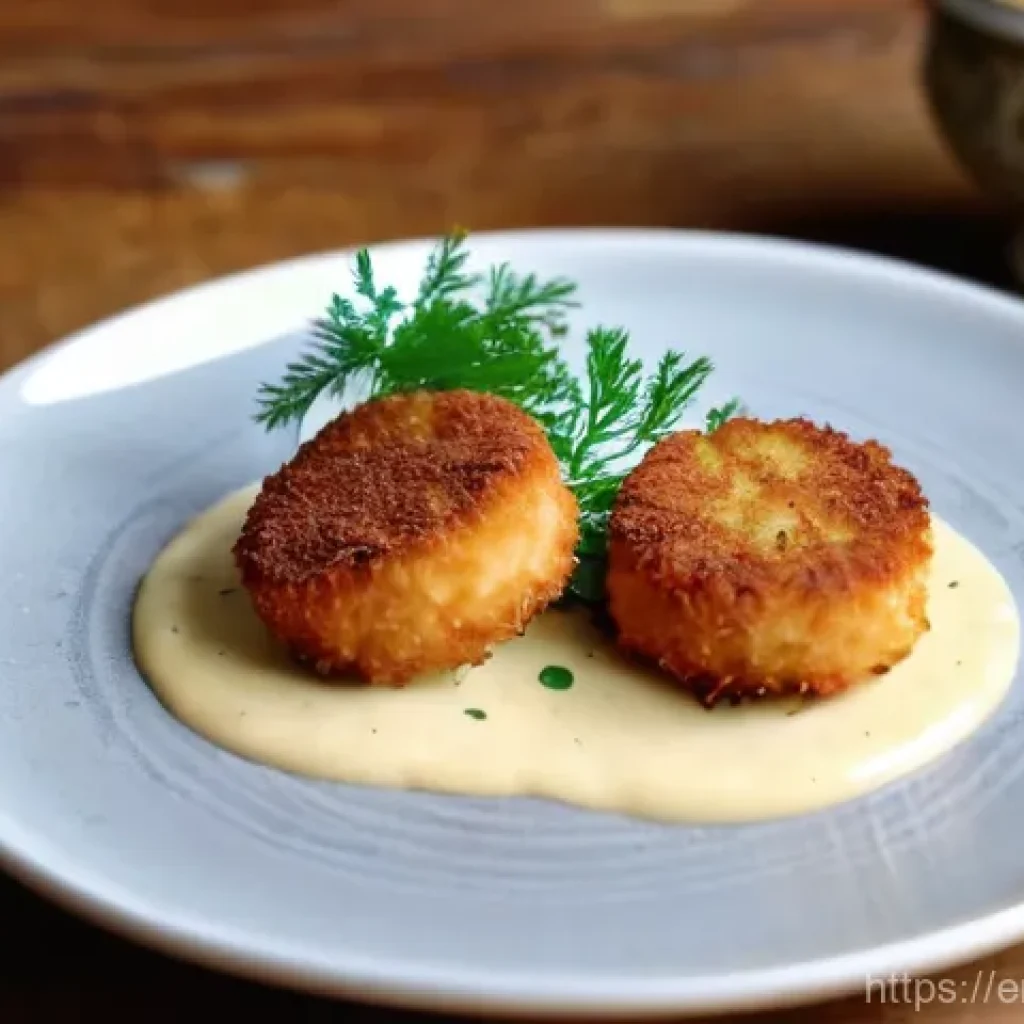
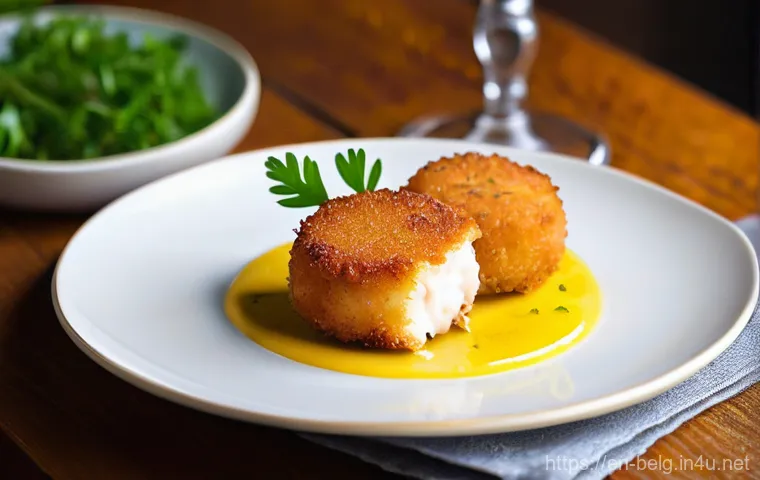
If there’s one dish that epitomizes the understated elegance of Belgian seafood, it has to be the grey shrimp croquette, or *garnaalkroketten* in Dutch. These aren’t just any croquettes; they are a masterpiece of flavor and texture. Imagine a perfectly crispy, golden exterior giving way to a creamy, rich béchamel filling generously studded with tiny, intensely flavorful North Sea grey shrimp. The first time I bit into one, I was instantly transported. It wasn’t just a snack; it was an experience. The delicate sweetness of the shrimp, often caught right off the Belgian coast, shines through beautifully. You’ll find them everywhere, from high-end restaurants to cozy cafes, and each place puts its own subtle spin on them. They’re usually served with a wedge of lemon and a sprig of fresh parsley, adding that perfect touch of acidity and freshness. I’ve tried them in countless spots, from the busy streets of Antwerp to the breezy promenades of Ostend, and honestly, they rarely disappoint. They’re a testament to how simple, high-quality ingredients can create something truly extraordinary.
Paling in ‘t Groen: A Green Dream for Eel Lovers
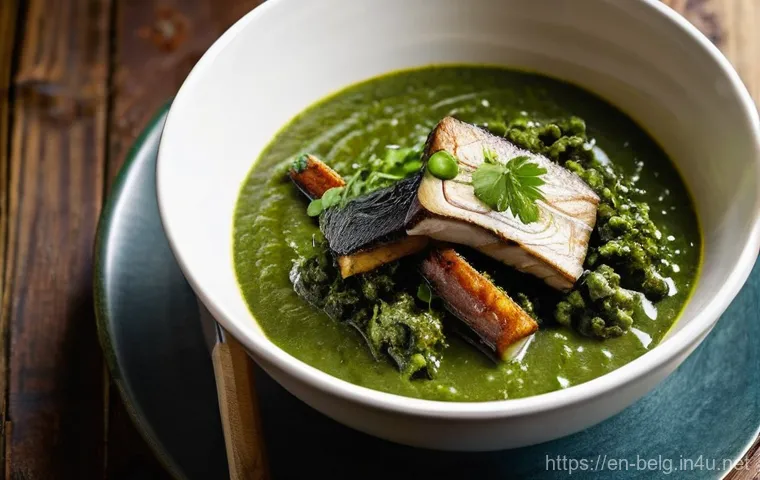
Now, here’s a dish that might sound a bit adventurous for some, but please, do not let the idea of eel scare you away! *Paling in ‘t Groen*, or “Eel in Green Sauce,” is a traditional Flemish specialty that is surprisingly fresh and utterly delicious. I’ll admit, when I first saw it on a menu, I was hesitant. Eel? Cooked in a vibrant green herb sauce? But my curiosity got the better of me, and I ordered it. What arrived was a beautiful plate of tender, flaky eel pieces bathed in a rich, emerald-green sauce made from a medley of fresh herbs like sorrel, mint, sage, and parsley. The flavor is bright, earthy, and incredibly aromatic, a perfect balance that complements the richness of the eel without overpowering it. It’s often served with crispy frites, naturally, or some hearty bread to soak up every last drop of that amazing sauce. This dish truly showcases Belgium’s knack for transforming humble, local ingredients into something truly sophisticated and memorable. I remember feeling a genuine warmth and satisfaction after that meal, a sense of having truly experienced something authentic and deeply rooted in Belgian culinary history.
The North Sea’s Bounty: Where Freshness Meets Flavor
There’s a tangible difference when seafood is caught just hours before it lands on your plate, and nowhere is this more evident than in Belgium. The North Sea is a powerhouse of marine life, and Belgians have mastered the art of bringing that incredible freshness straight to their tables. You can literally taste the ocean in every bite, whether it’s a perfectly seared sole or a bowl of steamed clams. This commitment to quality and freshness isn’t just a marketing ploy; it’s a deeply ingrained cultural value. I’ve often seen fishermen bringing their hauls directly to market stalls, still glistening with seawater, and it creates this incredible chain of freshness that’s hard to beat. It’s why even a simple dish of pan-fried fish feels like a gourmet experience here. The flavors are so clean and vibrant, truly allowing the natural taste of the seafood to shine through. As someone who appreciates good food, this dedication to sourcing is something I truly admire and believe contributes immensely to the overall dining experience.
The Daily Catch: A Seafood Lover’s Paradise
Walking through a Belgian fish market, especially in coastal towns like Zeebrugge or Ostend, is an absolute sensory overload in the best possible way. The sheer variety of fish and shellfish on display is astounding – from delicate sole and turbot to hearty cod and plaice, not to mention mountains of mussels, oysters, and those famous grey shrimp. I always make it a point to visit a market when I’m near the coast. There’s something so invigorating about seeing the day’s catch, still fresh from the boats, and hearing the lively chatter of vendors and shoppers. You can often buy seafood directly from these stalls, and many markets have small, informal eateries where they’ll cook your selection on the spot. I once had the most incredible grilled turbot at a small stand in Ostend, chosen just minutes before from a bed of ice. The simplicity of it – just perfectly cooked fish with a squeeze of lemon – allowed the inherent quality of the fish to truly sing. It felt like a genuine connection to the sea and the hardworking people who bring its treasures ashore.
Sustainable Practices on the Belgian Coast
What’s even more impressive than the freshness of Belgian seafood is the growing emphasis on sustainable fishing practices. As someone who cares deeply about the environment and the future of our food sources, it’s reassuring to see efforts being made to protect the North Sea’s delicate ecosystem. Many local fishermen and restaurants are increasingly focused on responsible sourcing, adhering to quotas, and using methods that minimize impact on marine habitats. This means that when you enjoy a plate of Belgian seafood, you can often do so with a clear conscience, knowing that efforts are being made to ensure these delicious resources will be available for generations to come. I’ve had conversations with restaurant owners who proudly talk about their relationships with local, sustainable fishermen, highlighting how important it is to them to serve not just fresh, but also ethically sourced, seafood. It adds another layer of appreciation to every meal, knowing that the culinary delights are also contributing to a healthier ocean.
From Bustling Markets to Cozy Bistros: Savoring Seafood Across Belgium
One of the joys of exploring Belgium’s seafood scene is discovering the incredible range of settings where you can enjoy these culinary treasures. It’s not just about fancy restaurants, though Belgium certainly has those in abundance. It’s also about the humble fish shacks, the vibrant market stalls, and the cozy, family-run bistros tucked away on cobblestone streets. Each setting offers a unique ambiance that enhances the dining experience. I’ve had some of my most memorable seafood meals in the most unexpected places – a tiny spot near the docks where the owner himself served us, or a lively street market where I grabbed a quick, delicious bite. The beauty is that you can tailor your seafood adventure to your mood and budget, from a quick, savory snack to a leisurely, multi-course feast. It’s this accessibility and diversity that truly makes Belgian seafood so appealing, making it easy for anyone to dive in and enjoy.
Coastal Charms: Eating Fresh in Ostend and Zeebrugge
If you’re truly looking to get the freshest possible seafood experience, a trip to the Belgian coast is an absolute must. Towns like Ostend, with its bustling port and long promenade, and Zeebrugge, a major fishing hub, are where the magic happens. In Ostend, I often find myself drawn to the stalls near the Visserskaai (Fishermen’s Quay), where you can literally see boats unloading their catch. Here, you can indulge in a classic *portie gebakken vis* (a portion of fried fish), often served in a paper cone with a dollop of fresh tartare sauce. It’s simple, unpretentious, and utterly delicious. Zeebrugge, on the other hand, feels a bit more industrial but boasts some fantastic seafood restaurants right by the harbor, offering stunning views and incredibly fresh dishes. The atmosphere in these coastal towns is relaxed and informal, a perfect backdrop for enjoying the fruits of the North Sea. There’s a certain salty air and a sense of maritime history that just makes the seafood taste even better.
City Delights: Brussels and Bruges’ Unexpected Seafood Havens
You might think that to get good seafood, you need to be by the sea, but Belgium’s inland cities often surprise visitors with their incredible offerings. Brussels, being the capital, has a fantastic array of seafood restaurants, from traditional brasseries serving classic *moules-frites* to more upscale establishments showcasing innovative seafood dishes. The city’s historic center, particularly around the Saint Catherine’s Church area, is a well-known hub for seafood lovers. Bruges, with its picturesque canals and medieval charm, also boasts numerous excellent eateries where you can savor fresh catches. I once had a truly exquisite lobster bisque in a cozy Bruges restaurant, miles from the coast, and it was as fresh and flavorful as anything I’ve tasted. These cities receive daily deliveries from the coast, ensuring that the quality remains consistently high. So, even if your itinerary doesn’t take you to the shore, you absolutely don’t have to miss out on Belgium’s fantastic seafood scene.
Perfect Pairings: Elevating Your Belgian Seafood Experience
Eating seafood in Belgium isn’t just about the main dish; it’s about the entire culinary symphony, and that includes what you drink and what you pair it with. Belgians have a knack for creating harmonious flavor combinations, and their approach to seafood is no exception. It’s truly an experience that engages all your senses, from the sizzling sound of frying *frites* to the crisp, refreshing taste of a perfectly chosen beer alongside your mussels. I’ve always found that the right pairing can elevate a good meal to an unforgettable one, and Belgian cuisine offers so many delightful possibilities. It’s not just about quenching your thirst; it’s about finding that perfect complement that enhances every single flavor on your plate, making each bite even more satisfying and memorable. The traditions around these pairings are as rich and varied as the dishes themselves, reflecting a long history of culinary expertise.
The Unbeatable Combination of Mussels and Frites
Let’s be honest, *moules-frites* is a global icon for a reason, and a huge part of its enduring popularity lies in the absolutely perfect pairing of plump, steamed mussels with those gloriously crispy, golden Belgian fries. There’s just something magical about it. The tender, briny mussels, often cooked in white wine, shallots, and herbs, offer a delicate, oceanic flavor, while the frites, double-fried to perfection, provide that satisfying crunch and starchy comfort. I can’t tell you how many times I’ve found myself dipping a fry into the fragrant mussel broth – it’s a small, simple pleasure that makes the whole meal sing. You’ll usually find them served with a generous dollop of homemade mayonnaise for the fries, adding another layer of creamy richness. It’s a hearty, satisfying meal that truly embodies comfort food, and it’s something I absolutely crave every time I think of Belgian cuisine. It’s a combination that just feels right, a true testament to culinary synergy.
Belgian Beers: The Unexpected Seafood Companion
While wine might be the go-to pairing for seafood in many cultures, in Belgium, don’t shy away from exploring the incredible world of Belgian beers. You’d be surprised at how beautifully a well-chosen Belgian beer can complement seafood. For lighter dishes like sole or grey shrimp, a crisp, refreshing Saison or a delicate Witbier (wheat beer) can be absolutely brilliant, cutting through the richness and enhancing the delicate flavors. With heartier dishes like a rich fish stew or even *paling in ‘t groen*, a stronger Tripel or a darker Dubbel can offer a complex, malty counterpoint that is surprisingly harmonious. I remember once trying a Trappist beer with a plate of grilled scallops, and the slightly fruity, spicy notes of the beer created an unexpected but truly wonderful flavor profile. Many restaurants will even have beer pairing suggestions on their menus, and it’s always worth asking for a recommendation. It’s a distinctly Belgian way to enjoy seafood, and one that I highly recommend you try!
Bringing Belgium Home: Recreating Seafood Magic in Your Kitchen
After experiencing the incredible seafood in Belgium, it’s only natural to want to recreate some of that magic in your own kitchen. And let me tell you, it’s totally doable! While getting your hands on those exact North Sea grey shrimp might be a challenge depending on where you live, the principles of fresh ingredients and simple preparations can be applied anywhere. I’ve often found myself inspired after a trip, heading straight to my local fishmonger with a newfound enthusiasm. It’s amazing how a few authentic techniques and a sprinkle of Belgian inspiration can transform your home cooking. Plus, cooking some of these dishes yourself allows you to adjust flavors to your preference, and it’s a fantastic way to relive your travel memories. There’s a real satisfaction in serving up a dish you’ve learned about and loved abroad, sharing that culinary journey with friends and family.
Simple Steps to Authentic Moules Marinières
If you’re going to try one Belgian seafood dish at home, *Moules Marinières* is the perfect starting point. It’s incredibly simple, yet utterly delicious. Here’s a quick rundown of how I make it: First, make sure your mussels are fresh and properly cleaned. Discard any that are open and don’t close when tapped. Then, in a large pot with a lid, sauté some finely chopped shallots and garlic in a bit of butter until softened. Pour in a good splash of dry white wine (like a Sauvignon Blanc) and a little bit of chicken or vegetable broth. Add a handful of fresh parsley, a pinch of black pepper, and then, the star of the show, your mussels! Cover the pot tightly and steam for about 5-7 minutes, shaking occasionally, until all the mussels have opened. Discard any that remain closed. Serve immediately with plenty of crusty bread to soak up that amazing broth, and of course, a generous side of crispy fries. It’s a dish that always brings a smile to my face and transports me right back to a cozy Belgian brasserie.
Sourcing Ingredients: Tips for the Home Cook
The key to good seafood, whether you’re in Belgium or at home, is always the quality of your ingredients. When you’re trying to recreate Belgian seafood dishes, prioritize freshness. Find a reputable fishmonger who can tell you where and when their seafood was caught. Don’t be afraid to ask questions! For mussels, look for tightly closed shells and a fresh, briny smell. For shrimp, if grey shrimp aren’t available, small, sweet varieties like rock shrimp or bay shrimp can be a good substitute. And for the fries, while nothing quite beats a double-fried Belgian *frite*, using high-quality potatoes like Russets or Maris Pipers and frying them twice (first at a lower temperature, then at a higher one for crispness) will get you pretty close. Don’t forget good quality butter for sautéing and fresh herbs – they make a huge difference in achieving that authentic Belgian flavor profile. It’s all about paying attention to the details and investing in the best you can find.
A Culinary Journey: Festivals and Experiences Not to Miss
Belgium’s love affair with seafood isn’t just confined to everyday dining; it spills over into vibrant festivals and unique experiences that are absolutely worth seeking out. These events are fantastic ways to immerse yourself in the local culture, taste a huge variety of dishes, and really feel the passion Belgians have for their maritime heritage. I’ve always found that attending a food festival adds such a rich layer to any travel experience, allowing you to connect with local traditions and tastes in a truly memorable way. It’s where you’ll see the community come alive, celebrating their history and their incredible produce, and it’s always a joyful atmosphere. If you’re planning a trip, definitely check out the local event calendars; you might just stumble upon an unforgettable seafood celebration that makes your visit even more special.
Annual Seafood Celebrations Along the Coast
Throughout the year, especially during the warmer months, Belgium’s coastal towns host a number of fantastic seafood festivals. These events are a true feast for the senses, with stalls offering everything from freshly shucked oysters and grilled fish to creative seafood preparations and, of course, plenty of local beer and wine. One of the most famous is the Fish Festival in Ostend (*Visserijfeesten Oostende*), which often takes place in the summer or early autumn. You’ll find live music, cooking demonstrations, and an incredible array of fresh seafood to sample. It’s a lively, family-friendly atmosphere where you can really soak up the local vibe. I remember spending an entire afternoon at one such festival, trying different preparations of mussels, sampling various fried fish, and just enjoying the bustling energy. It’s a wonderful way to experience the diversity of Belgian seafood and interact directly with the people who catch and prepare it.
Oyster Bars and Seafood Shacks: Casual Bites Done Right
Beyond the formal restaurants and grand festivals, Belgium also excels at casual seafood experiences. You’ll find charming oyster bars and informal seafood shacks, especially in coastal areas and even in city markets, where you can grab a quick, fresh bite. These places are often no-frills, focusing purely on the quality and freshness of their offerings. Picture this: standing at a counter, enjoying half a dozen freshly shucked oysters with a squeeze of lemon and a glass of crisp white wine. It’s simple, elegant, and incredibly satisfying. Or perhaps a paper cone filled with crispy fried calamari or a small portion of tiny, succulent North Sea shrimp, perfectly seasoned. These casual spots are fantastic for a midday snack or a light lunch and provide a different, yet equally authentic, taste of Belgium’s seafood culture. I’ve found some of my favorite impromptu meals at these types of places, proving that gourmet doesn’t always mean white tablecloths and high prices.
| Belgian Seafood Delicacy | Key Ingredients | Typical Pairing | My Personal Take |
|---|---|---|---|
| Moules-Frites | Mussels, White Wine, Shallots, French Fries | Belgian Lager or Witbier | The ultimate comfort food; don’t skip dipping fries in the broth! |
| Garnaalkroketten | Grey Shrimp, Béchamel, Deep-fried Coating | Dry White Wine or Tripel | Crispy exterior, creamy interior, intense shrimp flavor – a must-try appetizer. |
| Paling in ‘t Groen | Eel, Fresh Herbs (Sorrel, Mint, Parsley), White Wine | Saison or Strong Ale | Surprisingly fresh and herbaceous; don’t let “eel” deter you! |
| Tomate-Crevette | Tomato, Grey Shrimp, Mayonnaise | Light Rosé or Blonde Ale | A simple, refreshing classic; perfect for a light lunch. |
| Pladijs (Plaice) | Pan-fried Plaice Fillet, Butter | Pilsner or Chardonnay | Delicate, flaky white fish; often served with simple vegetables. |
글을마치며
And there you have it, folks! My deep dive into the incredible, often-overlooked world of Belgian seafood beyond the iconic mussels. I truly hope this journey has inspired you to step out of your comfort zone and savor the rich culinary tapestry that Belgium has to offer. From the delicate crunch of grey shrimp croquettes to the surprisingly fresh taste of *paling in ‘t groen*, every dish tells a story of tradition, freshness, and pure passion. I remember leaving Belgium feeling so utterly satisfied, not just by the food, but by the warmth and authenticity of the experiences. It’s more than just a meal; it’s an adventure for your palate and a connection to a vibrant culture. So next time you’re planning a trip, or even just looking for a new recipe, think of Belgium and its bountiful North Sea treasures. You won’t regret taking that delicious leap!
알아두면 쓸모 있는 정보
1. Best Time to Indulge: While you can find fantastic seafood year-round, the warmer months, roughly May to September, often bring a wider array of outdoor seafood festivals and market stalls, especially along the coast. It’s a lively time to experience the freshest catches and soak in the vibrant atmosphere. Plus, enjoying a plate of *moules-frites* al fresco on a sunny day is an unbeatable experience. The abundance of fresh produce also complements the seafood beautifully during this period.
2. Navigating Fish Markets: Don’t be shy about visiting a local *vismijn* (fish market) or a fishmonger. This is where you’ll find the absolute freshest seafood. Many stalls offer small, prepared seafood bites like fried fish or shrimp served in a cone, perfect for a quick, authentic snack. It’s a fantastic way to engage with local vendors, see the daily catch up close, and often get delicious, budget-friendly options directly from the source. Just remember to bring cash, as some smaller vendors might not accept cards.
3. Pairing with Belgian Beer: While wine is a classic, truly lean into the local culture by pairing your seafood with a Belgian beer. A crisp, refreshing Saison or a light Witbier works wonders with lighter dishes like sole or shrimp. For richer, more complex seafood preparations, don’t be afraid to try a Tripel or even a Dubbel. Many local establishments have knowledgeable staff who can offer excellent recommendations, making your dining experience uniquely Belgian and delightfully surprising.
4. “Dagverse Vis” is Your Friend: When dining out, look for signs or menu items that highlight “dagverse vis” or “catch of the day.” This literally translates to “daily fresh fish” and indicates that the seafood was caught very recently, often that same morning. It’s a strong indicator of quality and a promise of the best flavors. Don’t hesitate to ask your server for their recommendations on what’s freshest; they’ll often be delighted to share their insights. This little phrase is your secret weapon for an exceptional meal.
5. Beyond the Coast: Even if your travels don’t take you directly to the Belgian coast, you can still enjoy incredible seafood in inland cities like Brussels, Bruges, and Antwerp. These cities receive daily deliveries from the North Sea, ensuring top-notch freshness. Look for restaurants around historic market squares or specialized seafood brasseries. They pride themselves on serving coastal quality, allowing you to savor the maritime delights even when surrounded by cityscapes and iconic architecture.
중요 사항 정리
Belgium’s seafood scene is a delightful treasure trove that extends far beyond the well-known *moules-frites*, offering a rich tapestry of flavors and experiences. The country’s commitment to incredible freshness, largely due to its direct access to the abundant North Sea, is evident in every bite, from delicate grey shrimp croquettes to traditional *paling in ‘t groen*. Whether you’re exploring bustling coastal fish markets, dining in cozy bistros, or even recreating dishes at home, the emphasis is always on quality ingredients and authentic preparation. Don’t hesitate to explore unique pairings with local Belgian beers or seek out seasonal seafood festivals to truly immerse yourself in this vibrant culinary heritage. It’s an adventure for the senses, promising memorable meals and a deeper connection to Belgian culture.
Frequently Asked Questions (FAQ) 📖
Q: Beyond the iconic moules-frites, what other Belgian seafood treasures should I absolutely try, and what makes them so special?
A: Oh, this is such a fantastic question! While moules-frites are an absolute rite of passage, Belgium’s seafood scene is so much more diverse and utterly captivating.
If you’re looking to dive deeper, you simply must try the Grey Shrimp Croquettes, or Croquettes aux Crevettes Grises. These little golden parcels are often called the “Caviar of the North Sea,” and for good reason!
Imagine tiny, incredibly sweet and salty North Sea grey shrimp nestled in a creamy béchamel, then perfectly breaded and deep-fried to a delicate crisp.
I still remember the first time I bit into one – that satisfying crunch followed by the warm, rich, shrimp-infused filling was just heavenly. What makes them so special isn’t just the flavor, but the story behind the shrimp; in Oostduinkerke, they still catch these tiny treasures using a traditional method with horseback fishermen, which is even recognized by UNESCO!
It’s a taste of living history. Then there’s the intriguing Paling in ‘t Groen, or Eel in Green Sauce. Now, I know what you might be thinking – eel?
But trust me, this Flemish specialty is an absolute revelation. Chunks of tender, firm eel are simmered in a vibrant green sauce, a fragrant symphony of fresh herbs like parsley, spinach, and tarragon, brightened with white wine and lemon.
It’s shockingly fresh and wonderfully complex, a true testament to how Belgian chefs can elevate simple, local ingredients into something extraordinary.
I found myself savoring every bite, totally blown away by the freshness and depth of flavor. And if you’re a fan of elegant simplicity, don’t miss Tomate Crevette, a beautiful uncooked tomato stuffed generously with those same delightful grey shrimp mixed with a light mayonnaise.
It’s fresh, light, and just bursting with the sweet taste of the sea. Of course, you can also find hearty Waterzooi, a creamy fish stew, and beautifully pan-fried Sole Meunière which are both simply sublime.
Trust me, these dishes will truly broaden your appreciation for Belgian seafood beyond just mussels!
Q: I’m planning a trip to Belgium; where’s the absolute best place to soak up the local seafood scene and truly experience its authenticity?
A: That’s amazing! You’re in for such a treat. To truly immerse yourself in Belgium’s authentic seafood experience, I’d say you need to venture beyond just one spot.
My top recommendation is to head straight for the Belgian Coast. Towns like Ostend, Zeebrugge, Nieuwpoort, and Blankenberge are the heartland of Belgian fishing.
There’s nothing quite like strolling through a bustling fish market in one of these coastal towns, seeing the day’s catch laid out fresh – sometimes still wiggling!
You can literally taste the ocean air, and the freshness of the seafood is unparalleled because it’s coming straight off the boats. I remember picking up some just-caught shrimp from a market in Ostend and eating them right there; pure bliss!
If you want a truly unique experience, try to visit Oostduinkerke to see the horseback shrimp fishermen in action – it’s something out of a storybook.
Many coastal restaurants here have strong relationships with local fishermen, meaning their menus are dictated by what’s freshest and in season. The chefs along the coast, like the “NorthSeaChefs,” are incredibly passionate about showcasing the best of the North Sea, even introducing you to lesser-known, delicious species.
But don’t count out Brussels either! While not on the coast, Brussels has a rich history as a seafood hub, thanks to its historic canal connections to the North Sea.
The area around Place Sainte Catherine is legendary for its seafood restaurants, from charming bistros to Michelin-starred establishments. You’ll find exquisite preparations here, often with a touch more culinary finesse.
It’s a different vibe – more urban and refined – but equally authentic in its own way. So, my advice? Try to experience both the raw, vibrant energy of a coastal town and the refined elegance of a Brussels seafood eatery for the full spectrum of Belgian seafood magic!
Q: Belgian seafood sounds amazing, but how does it compare to other famous seafood destinations? What’s the secret to its freshness and unique flavor profile?
A: I totally get why you’d ask that! Belgium might not be the first place that pops into everyone’s head when they think of “famous seafood destinations,” but let me tell you, it holds its own beautifully.
From my own culinary explorations, what truly sets Belgian seafood apart from, say, the Mediterranean or even parts of Scandinavia, is this incredible blend of factors.
First, it’s all about the North Sea. The cold, nutrient-rich waters and strong currents mean the fish here have to swim a lot, resulting in incredibly firm texture and a distinct, rich flavor profile.
I’ve often felt that North Sea fish just have a certain “zing” to them, a cleaner, more robust taste that’s hard to replicate. The secret to its remarkable freshness is really quite simple: proximity.
The fishing grounds are right there, so the journey from the sea to your plate is incredibly short. This means less travel time, less handling, and you’re getting fish that’s often been caught just hours before.
This rapid turnaround is something I’ve personally noticed makes a huge difference in the quality. Many local fishermen prioritize quick delivery, ensuring that “squeaky fresh” catch makes it to markets and restaurants almost immediately.
Then there’s the underlying philosophy, which I find so endearing. Belgian cuisine beautifully marries French culinary finesse with hearty, generous German portions.
This means you get elegant preparations that still feel deeply satisfying. Plus, there’s a strong and growing commitment to sustainability. I’ve learned about initiatives like “NorthSeaChefs,” where top local chefs actively promote lesser-known, sustainable species from the North Sea, and there are even ongoing projects to restore oyster beds.
This dedication to local, seasonal, and responsible sourcing not only ensures the future of their seafood but also guarantees you’re tasting the freshest, most ethical offerings.
It’s a delightful combination that makes every bite in Belgium a truly memorable experience!