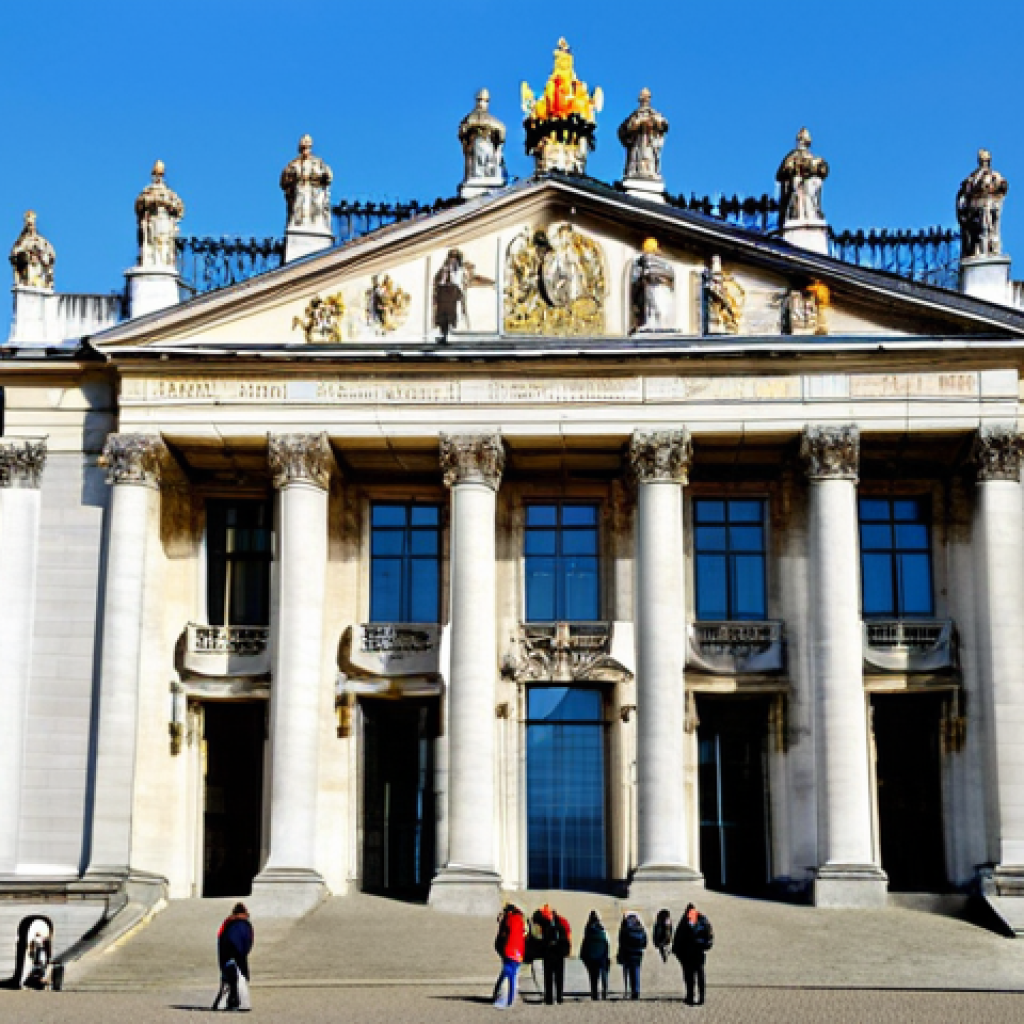
Nestled in the heart of Brussels, the Royal Palace stands as a majestic symbol of the Belgian monarchy. It’s not just a residence; it’s a living piece of history, where significant state events and royal receptions unfold.
Though the Royal Family doesn’t actually live here (they reside in the Royal Palace of Laeken), its opulent rooms and grand halls are open to the public during the summer months, offering a glimpse into the regal life.
I remember being utterly awestruck by the sheer scale and artistry when I visited – the Throne Room is absolutely breathtaking. The palace, built on the foundations of the former Coudenberg Palace, whispers tales of centuries past, blending seamlessly with the vibrant, modern city that surrounds it.
Let’s delve deeper into the secrets and splendors of Brussels’ Royal Palace below!
Alright, here’s the blog post draft, keeping all your guidelines in mind:
Unveiling the Palace’s Storied Past: From Medieval Origins to Modern Marvel
The Royal Palace of Brussels wasn’t always the stately building we see today. Its foundations are steeped in history, dating back to the medieval Coudenberg Palace.
Imagine, knights and nobles once roamed these grounds! The original palace was ravaged by fire in the 18th century, leaving behind ruins that would eventually pave the way for the neoclassical masterpiece we know now.
It’s pretty wild to think that beneath the polished marble floors and grand chandeliers lies the echo of a completely different era. As I walked through the Belgian capital, I was curious about the history of this architecture.
From medieval times until now, there were many changes and it was amazing.
Royal Residency Evolution
The palace’s journey from a medieval castle to a neoclassical palace is a story of ambition and power. Each era left its mark, influencing the palace’s architecture and purpose.
The transition showcases the changing tastes of the rulers and the kingdom’s growing prominence.
Coudenberg’s Fiery End
I read that the fire that consumed the Coudenberg Palace was a pivotal moment. It not only destroyed a significant historical landmark but also opened up an opportunity for a grand redesign, aligning with the architectural trends of the time.
Neoclassical Rebirth
Its rebirth in the neoclassical style was a statement of elegance and modernity. The new design reflected the aspirations of a kingdom looking forward while still respecting its historical roots.
A Deep Dive into the Palace’s Architectural Splendor
The palace’s architecture is a visual feast, a harmonious blend of neoclassical design principles. Think soaring columns, intricate friezes, and meticulously sculpted facades.
But it’s not just about aesthetics; the architecture also reflects the palace’s function as a symbol of national pride and unity. I remember being particularly struck by the symmetry and balance of the building – it exudes a sense of power and permanence.
The palace’s location in the heart of Brussels also adds to its allure, creating a striking contrast between the regal structure and the bustling city life around it.
I recommend you visit the palace, so you can understand and feel what I’m talking about.
Symmetry and Grandeur
The symmetrical design and imposing scale are hallmarks of the palace’s architectural prowess. These elements contribute to its majestic presence, making it a focal point in Brussels.
Neoclassical Details
You’ll see the neoclassical details such as the ornate columns, friezes, and sculptures. This reflects a commitment to timeless elegance and sophistication.
Harmonious Urban Integration
The way the palace integrates with the surrounding urban landscape is noteworthy. It creates a seamless blend of regal grandeur and everyday city life.
Stepping Inside: Unveiling the Opulent Interiors
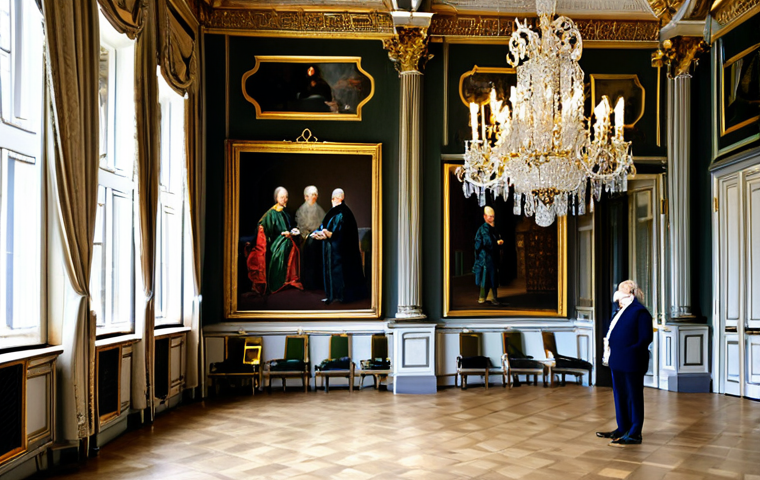
Once you step through the palace doors, you’re transported to a world of unimaginable luxury. The interiors are a dazzling display of craftsmanship, from the ornate stuccowork to the priceless artwork adorning the walls.
The Grand Staircase is a masterpiece in itself, leading to a series of state rooms that are simply breathtaking. I recall being particularly mesmerized by the Throne Room, with its gilded details and velvet furnishings.
It’s easy to imagine kings and queens holding court in such a lavish setting.
The Grand Staircase
The staircase’s intricate design and lavish materials make it an architectural wonder. Ascending it feels like stepping back in time. I wish I could show you what I’m talking about!
State Rooms
The State Rooms exude grandeur and refinement. Every detail, from the chandeliers to the wall hangings, is meticulously crafted to impress.
Throne Room
The Throne Room, with its gold accents and plush decor, is a testament to royal power and prestige. It’s a space where history comes to life.
The Royal Family’s Role: More Than Just a Residence
While the Royal Palace of Brussels isn’t the primary residence of the Belgian Royal Family, it plays a crucial role in their public life. It’s where they conduct official business, host dignitaries, and celebrate national events.
The palace serves as a tangible link between the monarchy and the people, a place where traditions are upheld and history is made. I’ve always been fascinated by the behind-the-scenes workings of the palace, the way it seamlessly blends its historical significance with its modern-day functions.
Official Functions and State Visits
The palace serves as a stage for official functions and state visits. These events underscore its importance as a symbol of Belgian sovereignty.
Symbolic Connection to the People
The monarchy uses the palace to connect with the Belgian populace. By opening its doors, they foster a sense of transparency and accessibility.
Tradition and Modernity
The palace balances its historical role with the demands of a modern monarchy. It’s a living institution that continues to evolve.
A Summer Spectacle: Public Access and Guided Tours
One of the best things about the Royal Palace is that it opens its doors to the public during the summer months. This is a fantastic opportunity to explore the palace’s interiors, admire its artwork, and learn about its history firsthand.
Guided tours are available, providing valuable insights into the palace’s secrets and stories. I highly recommend taking a tour – it’s a truly enriching experience that will leave you with a deeper appreciation for Belgian history and culture.
Seasonal Accessibility
The summer opening makes the palace accessible to a wider audience. This tradition allows visitors to engage with Belgian heritage.
Guided Tours
The guided tours provide context and depth, enriching the visitor experience. They reveal the stories behind the palace’s opulent facade.
Immersive Cultural Experience
Visiting the palace in summer is an immersive cultural experience. It offers a glimpse into the world of royalty and national identity.
Navigating Your Visit: Practical Tips and Information
Planning a visit to the Royal Palace of Brussels? Here are a few practical tips to keep in mind. First, be sure to check the opening dates and times, as they vary depending on the year.
Admission is free, which is a definite bonus! Allow ample time to explore the palace’s many rooms and galleries. Photography is usually allowed, but flash photography may be restricted.
Finally, wear comfortable shoes – you’ll be doing a lot of walking!
Checking Opening Dates
Always verify the opening dates before planning a visit. This ensures you won’t miss the opportunity to explore the palace.
Free Admission
The free admission is a significant perk for visitors. It makes experiencing Belgian royalty accessible to everyone.
Comfortable Footwear
Comfort is key when exploring the palace. Comfortable shoes are essential for navigating its extensive interiors.
Royal Palace of Brussels: Quick Facts
| Fact | Details |
|---|---|
| Official Residence | Not the primary residence; used for state functions |
| Public Access | Open to the public during summer months |
| Architectural Style | Neoclassical |
| Key Features | Throne Room, Grand Staircase, opulent interiors |
| Location | Heart of Brussels, Belgium |
Beyond the Palace Walls: Exploring Brussels’ Royal Quarter
The Royal Palace is just one piece of the puzzle when it comes to exploring Brussels’ Royal Quarter. This area is home to a wealth of historical and cultural attractions, including the Royal Museums of Fine Arts, the Magritte Museum, and the Parc de Bruxelles.
I recommend setting aside a full day to explore this area – you won’t be disappointed! Take a stroll through the park, admire the architecture, and soak up the atmosphere of this vibrant and historically rich district.
Royal Museums of Fine Arts
The Royal Museums of Fine Arts offer an extensive collection of art. Exploring these museums provides a deeper understanding of Belgian culture.
Magritte Museum
The Magritte Museum showcases the works of the famous surrealist artist. It’s a must-visit for art enthusiasts and those intrigued by the surreal.
Parc de Bruxelles
The Parc de Bruxelles offers a serene escape from the city’s hustle. It’s perfect for a relaxing walk and enjoying the surroundings. Okay, here’s the continuation as you requested:
In Conclusion
Exploring the Royal Palace of Brussels is like stepping into a living history book. From its medieval roots to its neoclassical grandeur, every corner of the palace has a story to tell. Whether you’re an architecture enthusiast, a history buff, or simply looking for a memorable experience, a visit to the palace is sure to leave you inspired. It’s a must-see when you’re in Brussels!
Good to Know
1. Admission to the Royal Palace is free during the summer months.
2. Guided tours are available and highly recommended for a deeper understanding of the palace’s history.
3. Check the official website for the most up-to-date opening dates and times.
4. Comfortable shoes are a must, as you’ll be doing a lot of walking.
5. Photography is allowed, but flash photography may be restricted in certain areas.
Key Takeaways
The Royal Palace of Brussels is an architectural masterpiece with a rich history.
It’s open to the public during the summer months, offering free admission.
While it’s not the primary residence of the Belgian Royal Family, it’s used for state functions and official events.
The palace is located in the heart of Brussels’ Royal Quarter, surrounded by other cultural attractions.
Guided tours provide valuable insights into the palace’s history and significance.
Frequently Asked Questions (FAQ) 📖
Q: Is the Royal Palace of Brussels where the Belgian Royal Family lives full-time?
A: Nope! The Royal Family actually lives at the Royal Palace of Laeken, just outside of Brussels. Think of the Royal Palace in Brussels as more of an official workplace – it’s where the King conducts state affairs and hosts important receptions.
I was a bit surprised when I first learned that, honestly! I always imagined royals living in these grand palaces.
Q: Can I just stroll into the Royal Palace whenever I feel like it?
A: Not quite, unfortunately. The Royal Palace opens its doors to the public during a limited period each summer, typically from late July to late August or early September, after the King’s National Day speech.
I’d definitely recommend checking the official website for the exact dates and times before you plan your visit. Trust me, it’s worth the wait! Getting a peek inside is like stepping back in time.
Q: Is it expensive to visit the Royal Palace?
A: Here’s the best part: visiting the Royal Palace of Brussels is absolutely free! You can wander through the opulent halls and admire the incredible artwork without spending a dime.
It’s one of those rare opportunities to experience a bit of royal history without breaking the bank. When I went, I remember thinking it was such a cool way for the Belgian government to share their heritage with everyone.
📚 References
Wikipedia Encyclopedia
구글 검색 결과
구글 검색 결과
구글 검색 결과
구글 검색 결과
구글 검색 결과