Hey there, wonderful parents and curious minds! It’s your friendly neighborhood blogger, diving deep into one of my absolute favorite topics: early childhood education.
If you’ve ever wondered what life is like for the littlest learners in Belgium, prepare to be charmed! The Belgian kindergarten system, known locally as ‘école maternelle’ or ‘kleuterschool’, is a truly unique blend of playful discovery and structured learning, often starting much earlier than you might expect.
I’ve personally seen how these vibrant environments foster independence and a love for learning, right from day one. There’s so much more to it than meets the eye, from the daily routines to the surprisingly progressive teaching methods that truly set it apart.
Ready to unravel the magic of Belgian kindergarten? Let’s explore all the exciting details together below!
The Early Dive: Why Belgian Toddlers Start School So Young
It’s quite striking to see just how early children in Belgium embark on their educational journey, often starting their ‘école maternelle’ or ‘kleuterschool’ at the tender age of two and a half.
I remember my initial surprise, coming from a system where formal schooling usually kicks off a bit later. But what I’ve genuinely come to appreciate is the philosophy behind this early integration.
It’s not about academic pressure; far from it! Instead, it’s a gentle, nurturing introduction to a social environment outside the family unit, designed to foster independence, communication skills, and a fundamental love for learning through play.
This early exposure helps children adapt to routines, develop social graces, and become comfortable in a group setting long before they ever pick up a pencil for formal writing.
It truly shapes their early developmental pathways in a unique and profoundly beneficial way, making the transition to primary school remarkably smooth and much less daunting for both the children and their parents.
The focus is squarely on holistic development, celebrating each child’s individual pace and personality in a supportive atmosphere that truly feels like a second home.
A Gentle Introduction to Independence
From what I’ve observed, one of the primary goals of this early start is to gently guide children towards independence. They learn to navigate their first social world, sharing toys, taking turns, and expressing their needs in a group setting.
It’s a foundational experience that teaches them self-reliance and fosters a sense of belonging within a larger community. I’ve personally seen children blossom from shy toddlers clinging to their parents into confident little explorers, eager to engage with their peers and teachers.
This process isn’t rushed; it’s a gradual unfolding, supported by dedicated educators who understand the delicate balance between nurturing and encouraging self-sufficiency.
Building Social Butterflies from Day One
The Belgian system truly excels at cultivating social skills right from the get-go. Instead of being isolated, these young learners are immersed in a vibrant tapestry of interactions.
They learn empathy, conflict resolution, and the sheer joy of collaborative play. This social foundation is, in my opinion, just as crucial as any academic skill they’ll pick up later.
It’s about learning how to be a kind, considerate, and cooperative member of society, lessons that stick with them for life. The early friendships forged in these classrooms are often a source of immense comfort and joy, making the school environment a truly positive and enriching space.
Play-Based Paradises: Where Learning Takes Flight Through Fun
If there’s one thing that truly defines Belgian kindergarten, it’s the unwavering commitment to play-based learning. And honestly, it’s a breath of fresh air!
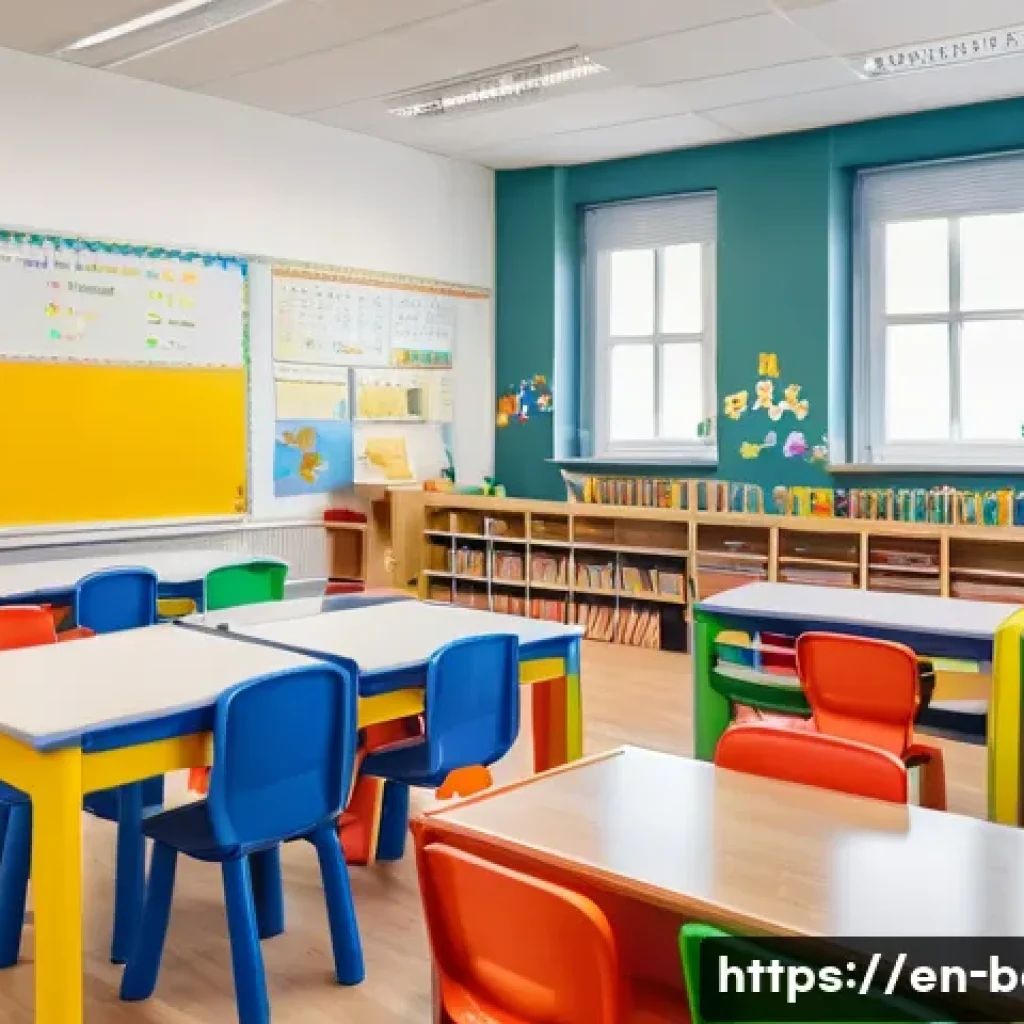
Forget rigid desks and rote memorization for these little ones; their classrooms are vibrant, dynamic spaces overflowing with opportunities for imaginative exploration.
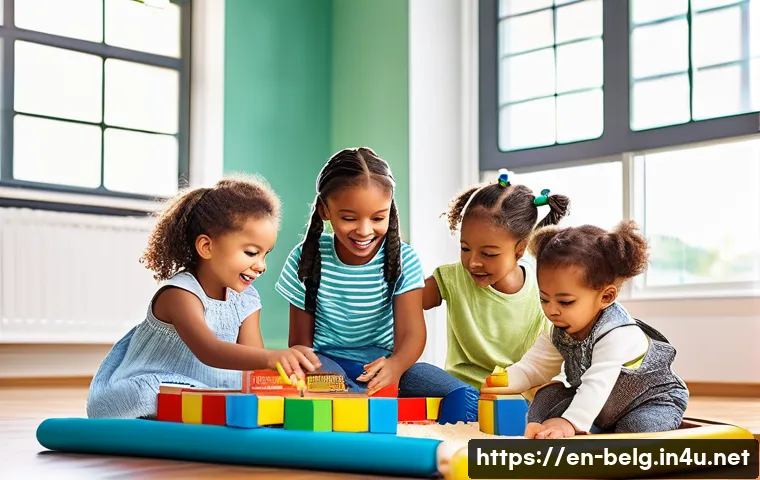
Blocks become castles, dress-up corners transform into fantastical realms, and sandpits turn into archaeological digs. Teachers aren’t just instructors; they’re facilitators, gently guiding children’s natural curiosity and turning every interaction into a teachable moment.
I’ve always been a firm believer that children learn best when they’re having fun, and the Belgian system embodies this philosophy wholeheartedly. It’s not just about keeping them entertained; it’s about deeply engaging their senses, stimulating their cognitive development, and building foundational skills in a way that feels entirely natural and joyful.
This approach truly champions the idea that learning should be an exciting adventure, not a chore.
Unleashing Creativity Through Open-Ended Activities
The sheer variety of open-ended activities available is astounding. Children are encouraged to choose what interests them, fostering intrinsic motivation and a sense of ownership over their learning.
I’ve watched as a simple collection of recycled materials sparked incredible engineering feats in one corner, while a group of kids meticulously crafted a miniature village in another.
This freedom to explore and create, without prescriptive outcomes, is invaluable. It’s here that they develop problem-solving skills, learn to articulate their ideas, and discover the sheer joy of bringing their imaginations to life.
Developing Essential Skills Through Playful Exploration
Beyond the obvious fun, these play-based environments are meticulously designed to nurture a vast array of essential skills. From fine motor development through intricate building tasks to gross motor skills honed on outdoor play equipment, every activity serves a purpose.
Language blossoms as children narrate their play scenarios, and early mathematical concepts emerge as they sort, count, and measure. It’s truly a holistic approach where cognitive, physical, social, and emotional development are seamlessly interwoven into the fabric of daily play, preparing them for future academic challenges in the most natural way possible.
A Day in the Life: Rhythms and Routines of ‘Kleuterschool’
Stepping into a Belgian ‘kleuterschool’ during the school day feels like entering a wonderfully orchestrated hub of activity, with a rhythm that’s both comforting and stimulating for the little ones.
While specific schedules can vary slightly from one school to another, there’s a general flow that I’ve found incredibly effective in creating a secure and predictable environment for children.
Mornings often kick off with a warm welcome and free play, allowing children to ease into the day and choose their initial activities. This is usually followed by structured group time, which might involve storytelling, singing, or discussing a theme, all designed to build community and develop listening skills.
Snack time is a cherished moment, emphasizing healthy eating habits, often with children bringing their own nutritious packed lunches. Afternoons typically balance more free play, often outdoors, with quieter activities like drawing, puzzles, or rest time for the youngest.
The consistency of these routines helps children feel safe and confident, knowing what to expect, which in turn frees them up to fully engage in the learning experiences presented to them.
Morning Explorations and Group Gatherings
The mornings are often a delightful blend of individual exploration and communal bonding. After dropping off my little one, I’ve often peeked in to see children busily engaged in various stations – some building towers, others immersed in a quiet corner with books, and a few collaborating on an art project.
This free-play period is invaluable for fostering independence and self-directed learning. It then transitions beautifully into a group circle time, where everyone comes together.
These sessions are often filled with lively songs, interactive stories, and discussions about the day’s theme, helping to develop their language skills and sense of belonging.
Afternoon Adventures and Quiet Moments
As the day progresses into the afternoon, the energy often shifts, balancing lively outdoor play with opportunities for quiet reflection. Weather permitting, the school playgrounds are often buzzing with children climbing, running, and exploring, which is crucial for their physical development and burning off that boundless energy.
Following these active periods, there are usually quieter activities, such as drawing, engaging with puzzles, or even a designated nap or rest time for the younger age groups.
This thoughtful balance ensures that children aren’t overstimulated and have the chance to recharge, making the entire school day a well-rounded and enriching experience.
Beyond Classroom Walls: Embracing Outdoor Adventures
One of the aspects I absolutely adore about the Belgian kindergarten system is its profound appreciation for the great outdoors. It’s not just an occasional treat; spending time outside is an integral, non-negotiable part of the daily routine, come rain or shine.
I’ve seen firsthand how children, bundled in their rain gear, joyfully splash in puddles, or meticulously collect fallen leaves for an art project. This isn’t just about fresh air; it’s a fundamental belief that nature is the ultimate classroom, offering unparalleled opportunities for discovery, physical development, and sensory exploration.
Playgrounds are often more than just swings and slides; they incorporate natural elements like sandpits, gardens, and even small wooded areas where children can dig, climb, and simply be immersed in the natural world.
This continuous engagement with nature fosters a deep respect for the environment, encourages problem-solving as they navigate uneven terrain, and provides an invaluable outlet for their boundless energy, contributing significantly to their overall well-being and resilience.
Nature’s Classroom: Sensory Exploration Galore
The outdoor environment provides an unparalleled sensory experience that simply cannot be replicated indoors. The feel of rough bark, the scent of damp earth after a rain shower, the sound of birdsong, and the vibrant colors of changing leaves all contribute to a rich tapestry of learning.
I’ve often seen children totally engrossed in examining insects under a magnifying glass, or carefully planting seeds in a garden bed. These hands-on interactions with nature not only ignite their curiosity but also develop their observational skills and foster a profound connection to the world around them.
Developing Resilience and Physical Prowess
Beyond sensory input, the outdoor play environments are critical for fostering physical development and resilience. Children are encouraged to climb, run, balance, and explore, which naturally strengthens their gross motor skills and coordination.
I’ve noticed a remarkable difference in the physical confidence of children who regularly engage in unstructured outdoor play. They learn to assess risks, overcome physical challenges, and bounce back from minor tumbles, all of which are invaluable life skills.
This robust engagement with their physical environment helps them build a strong foundation for a healthy and active life.
Language Immersion: A Natural Path to Multilingualism
Belgium, being a tri-lingual country with Dutch, French, and German as official languages, naturally integrates a fascinating approach to language development in its kindergarten system.
Depending on the region, children are primarily immersed in either Dutch or French, and sometimes, even at this early age, subtle exposure to a second language might begin.
What strikes me is how effortless and organic this process feels. It’s not about formal lessons or drills; it’s about absorbing language through play, songs, stories, and daily interactions.
I’ve witnessed children, almost instinctively, pick up new words and phrases simply by being in an environment where the language is constantly spoken around them.
This early, natural immersion is incredibly powerful, laying a fantastic foundation for multilingualism without any pressure. It taps into that incredible sponge-like capacity young children have for language acquisition, making it feel less like learning and more like simply living and communicating.
Seamless Linguistic Absorption Through Play
The beauty of the Belgian system is how language acquisition is seamlessly woven into every aspect of the day. Whether it’s during imaginative play where children negotiate roles and storylines, singing action songs, or listening to captivating stories, new vocabulary and grammatical structures are absorbed almost without conscious effort.
I remember seeing a child, initially shy with a new language, gradually start using simple phrases and then confidently participating in group discussions within a few months.
This organic, context-rich exposure truly leverages their natural ability to learn languages.
Setting the Stage for a Multilingual Future
This early immersion does more than just teach a few words; it fundamentally primes children for a multilingual future. They develop an ear for different phonetics and intonations, and their brains become accustomed to processing multiple linguistic systems.
This foundation is incredibly beneficial as they progress through school and potentially encounter more formal language learning. It fosters an open-mindedness towards other cultures and communication styles, which, in our increasingly globalized world, is an invaluable asset.
| Aspect | Description |
|---|---|
| Start Age | Typically from 2.5 years old (though not compulsory). |
| Curriculum Focus | Play-based learning, social-emotional development, independence, early language exposure. |
| Daily Routine Elements | Free play, structured group activities (songs, stories), outdoor play, snack/lunch time, rest/quiet time. |
| Teacher Role | Facilitator, observer, guide; nurturing and encouraging autonomy. |
| Parental Involvement | Often encouraged for school events, classroom help, and communication with teachers. |
Fostering Independence: Little Steps Towards Big Growth
If there’s one core value that truly shines through in Belgian kindergartens, it’s the profound emphasis on fostering independence. From the moment children walk through the doors, they’re gently encouraged to do things for themselves, albeit with plenty of support and patience from their teachers.
It’s not about pushing them too hard or too fast; it’s about building confidence and a sense of self-efficacy in every tiny action. I’ve often marvelled at how even the youngest children are encouraged to put on their own coats, pack their own snack bags, or choose their own play activities.
This seemingly small acts accumulate into a robust foundation for self-reliance. This approach instills a sense of responsibility and capability, empowering them to navigate their little world with growing confidence.
It’s truly beautiful to witness a child’s face light up with pride after successfully zipping up their own jacket or neatly organizing their playthings, knowing they accomplished it all by themselves.
Empowering Choices in Daily Activities
One of the most effective ways independence is nurtured is by giving children genuine choices throughout their day. Whether it’s deciding which play corner to explore, what materials to use for an art project, or even which book to look at during quiet time, these decisions are celebrated.
I’ve seen how this autonomy empowers them, making them feel like active participants in their learning journey rather than passive recipients. This freedom to choose cultivates self-direction and helps them understand their own interests and preferences.
Building Self-Help Skills with Encouragement
Beyond choices, the daily routine is intentionally structured to promote essential self-help skills. Children are gently guided to manage their personal belongings, clean up their play areas, and even pour their own water at snack time.
These aren’t just chores; they are opportunities for growth and mastery. The teachers are incredibly patient, offering just enough assistance to ensure success while allowing children to grapple with tasks, fostering a sense of accomplishment and resilience.
It’s a wonderful lesson in capability that stays with them long after kindergarten.
The Teacher’s Touch: Nurturing Every Child’s Potential
The unsung heroes of the Belgian kindergarten system are undoubtedly the dedicated teachers. Their approach is truly remarkable, balancing a deep understanding of child development with an incredible warmth and genuine passion for their work.
They’re not just educators in the traditional sense; they’re keen observers, empathetic guides, and enthusiastic playmates all rolled into one. I’ve been so impressed by their ability to tune into each child’s individual needs and temperaments, offering tailored support while also fostering a cohesive group dynamic.
There’s a palpable sense of trust and respect in the classrooms, where children feel safe to explore, make mistakes, and express themselves freely. This nurturing environment, expertly crafted by the teachers, is truly the cornerstone of the entire system, ensuring that every little learner feels seen, valued, and encouraged to reach their full, unique potential.
Expert Observers and Empathetic Guides
Belgian kindergarten teachers are master observers. They spend a significant amount of time watching children interact, play, and learn, gleaning invaluable insights into their developmental stages, interests, and challenges.
This isn’t passive observation; it’s active assessment that informs their subtle guidance and interventions. I’ve witnessed teachers step in at just the right moment to offer a suggestion, mediate a conflict, or provide a comforting word, always with an empathetic understanding of the child’s perspective.
It’s this nuanced approach that makes their guidance so effective.
Cultivating a Positive Learning Atmosphere
Beyond their individual interactions, teachers are incredibly skilled at cultivating a positive and inclusive learning atmosphere for the entire group.
They foster a sense of community where children learn to respect each other, celebrate differences, and collaborate on projects. Through gentle redirection, positive reinforcement, and consistent routines, they create a space where every child feels secure enough to take risks, ask questions, and fully engage in the joy of discovery.
This supportive environment is crucial for building a strong foundation for future learning.
Connecting with Parents: Building a Strong Community
A truly thriving kindergarten experience isn’t just about what happens within the classroom walls; it’s about the strong bridges built between the school and the home.
In Belgium, I’ve found that schools often make a concerted effort to foster a sense of community with parents, recognizing that a collaborative partnership is key to a child’s holistic development.
This isn’t just about parent-teacher meetings, although those are certainly important for discussing individual progress. It extends to informal morning chats, volunteer opportunities in the classroom or during school events, and sometimes even coffee mornings where parents can connect with each other.
I’ve always felt that when parents and teachers are on the same page, sharing insights and working together, the child benefits immensely from that consistent support network.
It creates a seamless transition between home and school life, making the children feel more secure and understood across both environments.
Open Communication Channels
Communication is truly paramount, and Belgian kindergartens often excel at keeping parents informed and involved. Beyond formal reports, many schools utilize various channels, from daily communication books for the youngest children to digital platforms for sharing general news, photos of activities, and upcoming events.
I particularly appreciate the accessibility of teachers for a quick chat at drop-off or pick-up, allowing for small updates or to address minor concerns promptly.
This open dialogue ensures that parents feel connected and knowledgeable about their child’s daily experiences and overall development.
Engaging Families in School Life
Many Belgian schools go above and beyond to actively engage families in the vibrant tapestry of school life. This might involve inviting parents to share a skill or read a story to the class, organizing school-wide festivals or celebrations, or even having parent volunteers assist with excursions or special projects.
These opportunities aren’t just about getting an extra pair of hands; they’re about strengthening the community, allowing parents to see firsthand what their children are experiencing, and fostering a shared sense of ownership and pride in the school environment.
It truly makes the school feel like an extended family.
Wrapping Things Up
Stepping back and looking at the bigger picture, it’s clear to me that the Belgian kindergarten system offers a truly enriching and forward-thinking start to a child’s educational journey. It’s been a fascinating experience to see how a focus on play, independence, and social development at such a young age truly sets children up for future success, not just academically but as well-rounded, confident individuals. This early dive into a nurturing, community-oriented environment, far from being just childcare, genuinely lays down vital foundations that resonate throughout their lives. It’s an approach that celebrates childhood, encouraging little ones to explore, learn, and grow at their own unique pace in a wonderfully supportive setting.
Good-to-Know Information
Here are a few quick tips and facts that I’ve picked up, which might be super helpful if you’re navigating the early school years in Belgium:
1. While compulsory education starts at age five, most children begin ‘école maternelle’ or ‘kleuterschool’ at two and a half years old, and these pre-primary years are free and highly beneficial for social and language development.
2. The Belgian system excels at language immersion; depending on the region, children are naturally exposed to Dutch or French, and schools often provide support for non-native speakers to help them integrate smoothly.
3. Don’t stress about after-school care! Most schools offer ‘garderie’ or ‘buitenschoolse opvang’ services until late afternoon, and holiday camps (‘stages’ or ‘pleines’) are widely available and often very affordable for school breaks.
4. There isn’t a rigid national curriculum in kindergarten; instead, the emphasis is heavily on play-based learning to develop essential skills and prepare children for primary school in a joyful, stress-free manner.
5. Education standards in Belgium are generally very high, and public preschools are largely free, making quality early childhood education accessible to most families.
Key Takeaways
The Belgian kindergarten experience is a masterclass in early childhood development, characterized by its dedication to play-based learning and fostering independence from a very young age. It creates a robust social and emotional foundation, seamlessly integrating children into a multilingual society without academic pressure. The nurturing environment provided by dedicated teachers, combined with a strong emphasis on outdoor exploration and continuous communication with parents, ensures a holistic approach to growth, preparing little learners not just for primary school, but for a confident and well-adjusted life.
Frequently Asked Questions (FAQ) 📖
Q: When do children typically start kindergarten in Belgium, and what’s the big deal about starting so young?
A: Oh, this is one of my favorite questions because it really highlights a key difference in the Belgian system! Unlike many other places where kindergarten starts around age four or five, in Belgium, children can actually begin their ‘école maternelle’ or ‘kleuterschool’ journey as young as 2.5 years old.
Yes, you read that right – two and a half! I know, it sounds incredibly early to some, and I totally get why you might be wondering about that. But from what I’ve observed and personally seen, this early start isn’t about pushing academics.
Far from it! It’s deeply rooted in the philosophy of social integration and early development through play. When my friends’ kids started, I remember thinking, “Wow, that’s tiny!” but then I saw how quickly they adapted, how they learned to navigate social situations, share, and just generally become more independent little humans.
It truly gives them a fantastic head start on developing social skills, language acquisition (especially if they’re exposed to a new language at school), and just getting comfortable in a group setting long before formal academics kick in.
It really builds a strong foundation for their emotional and social well-being, which, in my book, is just as important as learning to read!
Q: What does a day in Belgian kindergarten actually look like? Is it all just play, or is there some serious learning going on?
A: This is another brilliant question because it gets right to the heart of what makes Belgian kindergarten so unique! If you’re picturing rows of desks and worksheets, think again.
From what I’ve gathered visiting schools and chatting with parents and teachers, a typical day in a Belgian kindergarten is a beautiful blend of structured play, free exploration, and gentle guidance.
There’s a strong emphasis on ‘learning through doing.’ So, yes, there’s a lot of play – building blocks, role-playing in miniature kitchens, painting, singing songs, and story time are absolute staples.
But this isn’t just aimless play; it’s carefully designed to foster creativity, problem-solving, and social interaction. For instance, during a building activity, children aren’t just stacking blocks; they’re learning about balance, shapes, and teamwork.
There might be short periods for developing fine motor skills through drawing or cutting, or engaging with numbers through playful counting games. Lunch is often a social affair where kids learn table manners, and outdoor playtime is always a priority, rain or shine.
It’s less about “serious learning” in the traditional sense and more about nurturing curiosity and developing essential life skills within a joyful, stimulating environment.
I’ve heard teachers often say their goal is to make children want to come to school, and from what I’ve witnessed, they absolutely nail it!
Q: How do Belgian kindergartens nurture children’s independence and love for learning from such an early age?
A: Ah, this is where the magic really happens, and it’s something I deeply admire about the Belgian approach! Nurturing independence and a genuine love for learning is truly at the core of their philosophy.
They achieve this by giving children a surprising amount of autonomy and respect for their budding capabilities. Think about it: even those two-and-a-half-year-olds are often encouraged to manage their own coats and shoes, choose their own activities during free play, and even help tidy up.
This isn’t just about chores; it’s about building self-reliance and a sense of responsibility. Teachers act more as facilitators, gently guiding and observing, rather than dictating every single action.
I remember a friend telling me how her child, who was quite shy at home, really blossomed at school because they were given the space to explore at their own pace.
The environment itself is incredibly stimulating – full of different ‘corners’ for various activities like reading, art, or construction, allowing children to follow their own interests.
This freedom of choice fuels intrinsic motivation. When kids are allowed to explore what genuinely fascinates them, learning stops feeling like a chore and becomes an exciting adventure.
It’s truly amazing to see how these little learners develop such a strong sense of agency and genuine enthusiasm for discovery, right from their very first days in kindergarten.