The history of Jewish communities in Belgium is a profound tale of resilience, cultural richness, and survival through turbulent times. From their early settlement in medieval cities to the challenges faced during World War II, Belgian Jews have contributed significantly to the country’s social and cultural fabric.
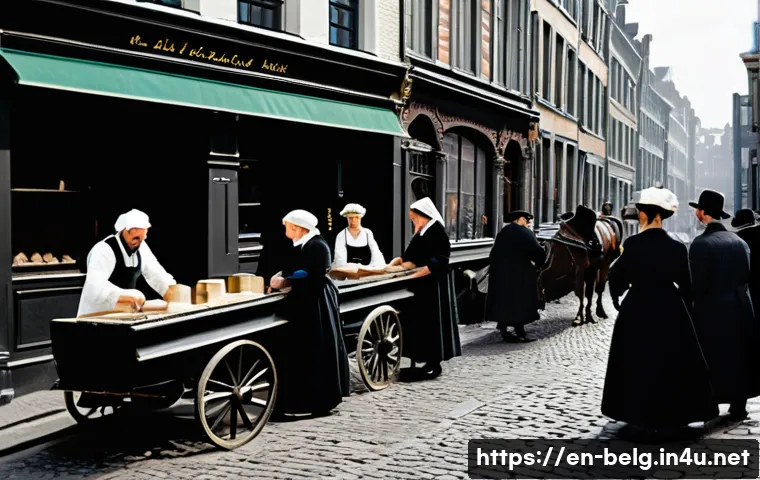
Despite periods of persecution and displacement, their enduring spirit has shaped a unique identity within Belgium’s diverse society. Exploring this history reveals not only the hardships but also the vibrant traditions and achievements of Belgian Jewry.
Let’s dive deeper into this fascinating journey and uncover the stories that have defined their legacy. We’ll explore the details together in the following sections!
The Early Footprints of Jewish Life in Belgian Cities
Medieval Settlements and Community Foundations
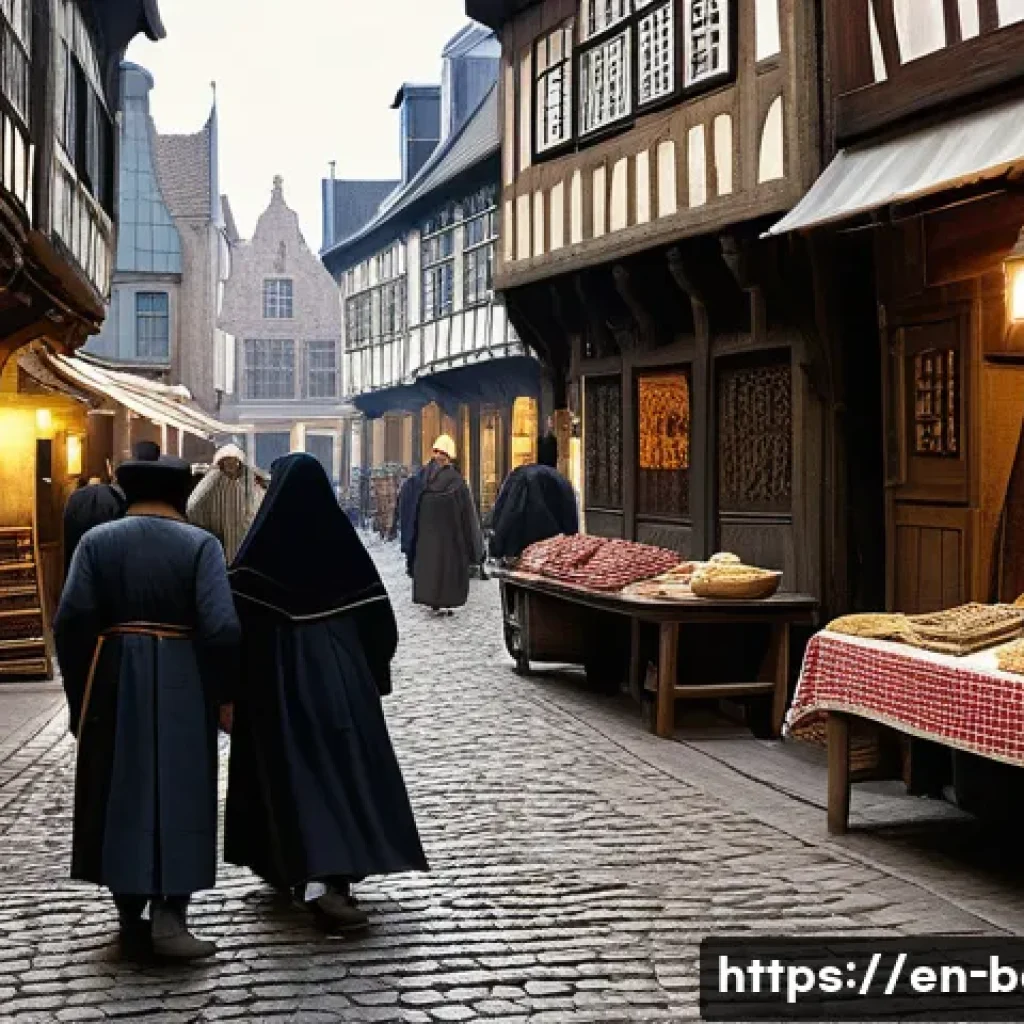
The Jewish presence in Belgium dates back to the Middle Ages, with communities first appearing in cities like Antwerp, Brussels, and Liège. These early settlers often faced fluctuating levels of acceptance, with periods of relative tolerance interrupted by expulsions and restrictions.
Despite such challenges, they managed to establish synagogues, schools, and communal organizations that laid the groundwork for future generations. Records from the 13th and 14th centuries show Jewish merchants actively participating in trade, particularly in textiles and finance, which were vital to the medieval Belgian economy.
What stands out is how these communities, though small and often under threat, cultivated a rich cultural and religious life that would persist through the centuries.
Economic Roles and Social Integration
Jewish communities during this period were often involved in professions that were both necessary and sometimes controversial, such as money lending and trade.
While these roles occasionally fueled anti-Semitic sentiments, they also positioned Jews as crucial contributors to urban economies. Over time, some Jewish families gained notable influence and wealth, which helped them negotiate their place within the broader society.
Social integration was complex, as Jews balanced maintaining their religious identity with adapting to local customs. Marriage alliances within the community and communal charity systems helped sustain cohesion.
The interplay between economic necessity and social acceptance defined much of the early Jewish experience in Belgium.
Challenges and Periodic Expulsions
Despite their contributions, Jewish populations were vulnerable to persecution, especially during times of political instability or religious fervor. Expulsions in the late Middle Ages forced many to relocate, often disrupting established communities.
These upheavals were sometimes triggered by accusations such as blood libel or economic envy, common tropes that fueled hostility. However, even after expulsions, Jews found ways to return or resettle nearby, demonstrating remarkable resilience.
This cycle of displacement and return is a recurring theme in Belgian Jewish history, reflecting a persistent determination to maintain their presence despite adversity.
Flourishing and Challenges in the Modern Era
19th Century Emancipation and Cultural Renaissance
The 19th century brought significant changes as Belgium’s Jewish communities experienced emancipation alongside the broader population. Legal equality allowed Jews to participate more fully in political, social, and economic life.
This era saw a blossoming of Jewish cultural institutions, including newspapers, schools, and philanthropic organizations. Antwerp, in particular, emerged as a vibrant center of Jewish life, especially with the growth of the diamond trade, which attracted many Jewish artisans and entrepreneurs.
The integration into Belgian society was marked by a delicate balance between embracing modernity and preserving religious traditions, a dynamic that shaped the community’s identity moving forward.
The Impact of Immigration Waves
Throughout the late 19th and early 20th centuries, Belgium welcomed Jewish immigrants fleeing persecution from Eastern Europe and Russia. These newcomers enriched the community culturally and economically but also faced the difficulties of assimilation and poverty.
They established their own synagogues and social networks, often distinct from the older, more established Western European Jewish families. The immigrant influx heightened the diversity within Belgian Jewry, bringing different languages, customs, and religious practices.
The community’s ability to absorb and integrate these waves of newcomers while maintaining unity was a testament to its adaptability and solidarity.
Anti-Semitism and Political Tensions
Despite progress, anti-Semitic attitudes persisted and sometimes intensified, particularly during periods of social unrest or economic downturn. Political movements on both the left and right occasionally scapegoated Jews, fueling discrimination and violence.
The rise of nationalism in the early 20th century presented new challenges to Jewish identity and security. However, Jewish organizations actively engaged in defending their rights and promoting understanding, often collaborating with other minority groups.
This period was complex, as Belgian Jews navigated increasing hostility while contributing to the country’s political and cultural landscape.
World War II and the Holocaust’s Shadow
Occupation and Persecution Under Nazi Rule
The Nazi occupation of Belgium during World War II marked one of the darkest chapters in Jewish history. Systematic persecution led to the arrest, deportation, and murder of tens of thousands of Belgian Jews.
Jewish communities were torn apart, with families separated and synagogues desecrated. Despite the overwhelming brutality, many Jews and non-Jews risked their lives to resist and protect those targeted.
The underground networks and hiding places that emerged during this time are powerful reminders of courage amid horror. The trauma of the Holocaust irrevocably altered the community, yet the survivors’ determination to rebuild was extraordinary.
Resistance and Rescue Efforts
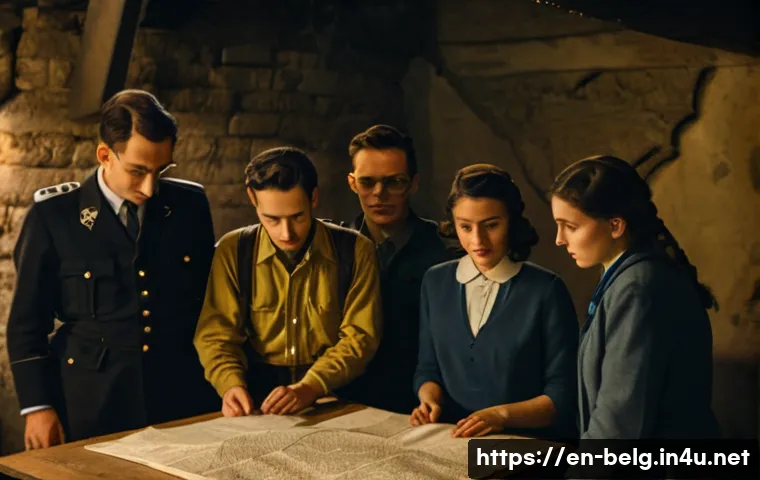
Belgium witnessed remarkable acts of resistance, both from Jewish partisans and sympathetic Belgians. Underground organizations facilitated escape routes, forged documents, and provided safe havens for Jews fleeing deportation.
Stories of individuals who defied the Nazis highlight the strength of human compassion in extreme circumstances. These efforts were often dangerous and required immense bravery, underscoring the community’s resilience.
The legacy of resistance remains a crucial part of Belgian Jewish history, symbolizing hope and the fight for dignity.
Post-War Recovery and Memory
After the war, the Jewish community faced the daunting task of recovery amid profound loss. Memorials and museums were established to honor victims and educate future generations.
Survivors rebuilt communal institutions, often drawing on international support. The memory of the Holocaust deeply influenced Belgian Jewish identity, fostering a commitment to human rights and combating intolerance.
This period also saw renewed immigration, including Holocaust survivors and Jews fleeing new conflicts elsewhere. The post-war decades shaped a community determined to preserve its heritage while contributing to Belgium’s democratic values.
Cultural Contributions and Community Life
Religious Practices and Education
Belgian Jews have maintained a rich tapestry of religious traditions, blending Ashkenazi and Sephardic customs that reflect their diverse origins. Synagogues serve as vital centers for worship, learning, and community gatherings.
Education remains a cornerstone, with Jewish schools offering curricula that balance secular subjects with Hebrew and religious studies. Festivals and rituals are observed with enthusiasm, providing continuity across generations.
Personal experience attending community events reveals a deep sense of belonging and pride among participants, highlighting how faith and culture sustain identity.
Arts, Literature, and Intellectual Legacy
The Jewish community in Belgium has produced notable figures in literature, music, theater, and academia. Writers have explored themes of identity, exile, and memory, enriching Belgian cultural life.
Musicians and artists contributed to both Jewish and national artistic scenes, often navigating the tension between tradition and modernity. Intellectuals from Belgian Jewry have played important roles in philosophy, science, and social activism.
Their works often reflect personal histories intertwined with broader historical events, making their contributions both unique and universally resonant.
Social Organizations and Philanthropy
Jewish social organizations have long been instrumental in supporting community welfare and promoting social justice. Charitable groups provide assistance to vulnerable members, while cultural associations foster dialogue and education.
These institutions act as bridges between Jewish and non-Jewish communities, advocating for tolerance and cooperation. Volunteering and participation in these organizations are common, reflecting a collective commitment to communal responsibility.
From personal observation, involvement in these groups offers a powerful sense of purpose and connection, reinforcing community bonds.
Modern Demographics and Community Dynamics
Population Distribution and Community Centers
Today, Belgium’s Jewish population is primarily concentrated in Antwerp and Brussels, with smaller communities in other cities. Antwerp remains a global hub for the diamond trade, where many Orthodox and Hasidic Jews live and work, preserving traditional lifestyles.
Brussels, as the capital, hosts a more diverse and secular Jewish population, including professionals and academics. This geographic distribution influences community dynamics, with varying religious observance and cultural expression.
Understanding these differences sheds light on the multifaceted nature of Belgian Jewry in the 21st century.
Language and Cultural Identity
Belgian Jews commonly speak a mixture of languages, including French, Dutch, Yiddish, Hebrew, and English, reflecting their diverse backgrounds and integration into Belgian society.
Language use often correlates with religious affiliation and community traditions, influencing education, worship, and social interaction. Maintaining heritage languages like Yiddish remains important for many, particularly within Orthodox communities.
Simultaneously, fluency in national languages facilitates broader engagement and inclusion. This linguistic diversity enriches the community’s cultural fabric and fosters a unique identity that bridges past and present.
Challenges and Opportunities in Contemporary Life
Like many minority communities, Belgian Jews face challenges related to anti-Semitism, assimilation pressures, and intergenerational change. However, they also benefit from strong organizational structures, legal protections, and active cultural life.
Efforts to combat prejudice and promote awareness continue, often involving partnerships with other groups. At the same time, younger generations explore new ways to express Jewish identity, blending tradition with modern values.
The community’s resilience and adaptability remain evident, offering hope for a vibrant future amid evolving social landscapes.
Key Historical Milestones of Belgian Jewry
| Period | Event | Significance |
|---|---|---|
| 13th-14th Century | First Jewish settlements in medieval cities | Establishment of early community structures and trade roles |
| Late Middle Ages | Expulsions and periodic persecution | Challenges to community stability; cycles of displacement and return |
| 19th Century | Emancipation and cultural renaissance | Legal equality and growth of Jewish institutions |
| Early 20th Century | Immigration waves from Eastern Europe | Diversification and expansion of the community |
| World War II | Holocaust and Nazi occupation | Devastation and loss; acts of resistance and rescue |
| Post-1945 | Recovery and memorialization | Rebuilding community and preserving memory |
| 21st Century | Modern demographics and cultural vitality | Continued contributions and challenges in contemporary society |
Interactions with Broader Belgian Society
Political Engagement and Representation
Belgian Jews have actively participated in political life, from local governance to national politics. Their involvement has often focused on advocating for minority rights, combating discrimination, and promoting social justice.
Over the decades, several Jewish politicians and activists have emerged as influential voices, bridging community concerns with broader societal issues.
This engagement reflects a commitment to democratic values and pluralism, highlighting how Jewish identity intersects with Belgian citizenship in meaningful ways.
Interfaith and Cross-Cultural Dialogue
Efforts to foster understanding between Jewish and other religious or ethnic groups have been a significant aspect of community outreach. Interfaith dialogues and cultural exchanges help dismantle stereotypes and build solidarity.
Events such as joint commemorations and educational programs promote mutual respect and cooperation. These initiatives are particularly important in a multicultural society like Belgium, where coexistence depends on recognizing shared humanity amid diversity.
Contributions to Belgian Arts and Sciences
Members of the Jewish community have made lasting contributions to Belgium’s artistic and scientific heritage. From painters and musicians to researchers and inventors, their work enriches national culture and innovation.
These achievements not only reflect individual talents but also illustrate how Jewish experiences have shaped creative and intellectual currents in Belgium.
Celebrating these contributions fosters pride and recognition, reinforcing the community’s integral role in the country’s development.
Preserving Heritage Through Education and Memory
Museums and Cultural Institutions
Belgium hosts several museums and cultural centers dedicated to Jewish history and heritage. These institutions play a vital role in educating the public, preserving artifacts, and honoring those lost in the Holocaust.
Exhibitions often combine historical documentation with personal stories, creating immersive experiences that deepen understanding. Visiting these sites offers valuable insights into the community’s journey, helping ensure that lessons from the past inform the future.
Community Education and Youth Engagement
Jewish schools and youth organizations actively engage younger generations in learning about their heritage. Programs combine religious studies with cultural activities, fostering a strong sense of identity and community pride.
Many young people also participate in exchange programs and visits to historical sites, which deepen their connection to Jewish history. These educational efforts are crucial in passing down traditions and values, ensuring continuity even as society evolves.
Commemorative Practices and Public Awareness
Annual memorial events, such as Holocaust Remembrance Day, are observed with solemnity and reflection. Public ceremonies often involve collaboration with government officials and other communities, emphasizing collective memory and responsibility.
Media coverage and educational campaigns further raise awareness of Jewish history and contemporary issues. These practices strengthen social cohesion and promote vigilance against hatred and intolerance, reinforcing the importance of remembrance in building a just society.
Conclusion
Exploring the rich history of Jewish life in Belgium reveals a story of resilience, cultural richness, and ongoing contributions despite numerous challenges. From medieval settlements to modern communities, Belgian Jewry has continually adapted while preserving its unique identity. Their journey reflects both the struggles and triumphs of maintaining faith and heritage within a diverse society.
Useful Information to Know
1. Jewish communities in Belgium have deep roots dating back to the Middle Ages, establishing early trade and cultural institutions.
2. The 19th century marked a turning point with emancipation, enabling greater social participation and cultural growth.
3. Waves of immigration enriched the community’s diversity but also presented integration challenges.
4. The Holocaust profoundly affected Belgian Jews, yet acts of resistance and post-war recovery highlight their strength.
5. Today’s Jewish population is vibrant and diverse, balancing tradition with modern societal engagement.
Key Takeaways
The history of Belgian Jewry is marked by perseverance through adversity, from medieval expulsions to the horrors of World War II. Their economic and cultural contributions have been vital to Belgium’s development, while ongoing efforts in education, remembrance, and social activism ensure that their heritage remains vibrant. Understanding these dynamics helps appreciate the community’s role in shaping Belgium’s multicultural fabric today.
Frequently Asked Questions (FAQ) 📖
Q: When did Jewish communities first settle in Belgium, and what were their early experiences like?
A: Jewish communities began settling in what is now Belgium during the medieval period, particularly in cities like Antwerp and Brussels. Early on, they faced periods of tolerance interspersed with persecution and restrictions, common across Europe at the time.
Despite these challenges, they established vibrant communities, engaging in trade, finance, and cultural activities, laying the foundation for their lasting presence in Belgian society.
Q: How did World War II impact the Jewish population in Belgium?
A: World War II was an incredibly dark chapter for Belgian Jews. Under Nazi occupation, thousands were deported to concentration camps, and many lives were tragically lost.
However, the community also showed remarkable resilience—some found ways to hide, resist, or escape. After the war, survivors worked hard to rebuild their lives and communities, contributing to Belgium’s recovery and preserving their cultural heritage despite the profound losses.
Q: What contributions have Jewish communities made to Belgian culture and society?
A: Belgian Jews have made significant contributions across many fields including arts, science, business, and politics. Their influence is visible in Antwerp’s diamond industry, vibrant cultural festivals, literature, and academic achievements.
Personally, I’ve found that their commitment to education and community-building has enriched Belgium’s multicultural landscape, fostering a spirit of tolerance and innovation that continues to benefit the country today.