In today’s fast-paced world, finding the right balance between work productivity and employee wellbeing has become more crucial than ever. Belgium, known for its rich cultural heritage and progressive labor policies, offers a fascinating case study on how organizations prioritize both output and people.

As companies worldwide rethink their work environments, Belgium’s approach sheds light on practical strategies that foster engagement without burnout.
If you’ve ever wondered how European workplaces maintain high standards while keeping employees happy, this deep dive will offer fresh perspectives and valuable takeaways.
Let’s explore how Belgium navigates this delicate balance and what it means for the future of work culture globally.
Creating a Culture That Champions Flexibility
Adapting Work Hours to Employee Needs
One standout feature in many Belgian workplaces is the emphasis on flexible working hours. Unlike rigid 9-to-5 expectations, companies here often allow employees to adjust their schedules to fit personal commitments or peak productivity times.
From my conversations with friends working in Brussels, this flexibility isn’t just a perk but a deeply embedded practice. It reduces stress significantly and helps employees avoid the dreaded burnout cycle.
For example, a colleague told me she starts her workday earlier to leave in time for her kids’ after-school activities, which has made her feel more in control and motivated throughout the day.
This adaptive approach has proven to boost both morale and output, as people are working when they feel most focused rather than being forced into a one-size-fits-all timetable.
Remote Work as a Norm, Not an Exception
Belgium embraced remote work well before the pandemic made it mainstream. Many companies encourage a hybrid model, where employees can split their week between home and office.
From my firsthand experience collaborating with Belgian teams, this balance fosters a sense of trust and autonomy. Employees don’t feel micromanaged, which leads to higher job satisfaction and increased productivity.
Moreover, cutting down on commuting time frees up hours that workers can invest in either personal growth or deeper focus on work tasks. This model also encourages companies to rethink their office space, turning it into a hub for collaboration rather than a mandatory workstation.
Support Systems That Foster Work-Life Harmony
Belgium’s labor environment is supported by well-established social safety nets and health benefits, which contribute to employee wellbeing. Workers have access to comprehensive healthcare, paid leave, and parental benefits, which take a lot of pressure off day-to-day life.
In my discussions with HR professionals in Belgium, they emphasized how these policies encourage employees to take the necessary time off without guilt.
This culture of support extends beyond just policies; managers are trained to recognize signs of burnout and proactively address workload issues. The result is a workplace where people feel genuinely cared for, which naturally translates into loyalty and consistent performance.
Balancing Productivity with Mental Health Awareness
Proactive Mental Health Programs
Belgian companies often implement mental health initiatives that go beyond the usual employee assistance programs. For instance, some organizations provide mindfulness workshops, stress management seminars, and even access to in-house psychologists.
From what I’ve seen, these efforts are not treated as optional extras but integrated into the company culture. Employees are encouraged to talk openly about mental health, which helps destigmatize the topic.
One friend shared how her company’s wellness days give staff the chance to recharge without the pressure of deadlines, making a huge difference during busy periods.
Encouraging Regular Breaks and Downtime
The idea of taking breaks isn’t just accepted in Belgium; it’s actively promoted. Belgian workers typically enjoy longer lunch breaks and several short pauses throughout the day, which studies show improve concentration and reduce fatigue.
Personally, I admire how this approach respects natural human rhythms instead of pushing relentless work hours. Companies often provide comfortable break areas, sometimes with access to nature or quiet zones.
This not only enhances creativity but also builds camaraderie as employees connect informally, boosting overall morale.
Open Communication Channels About Workload
An important practice I’ve noticed is the open dialogue between employees and management regarding workload and stress levels. Belgian workplaces encourage regular check-ins where staff can voice concerns without fear of repercussions.
This transparency helps catch potential burnout early and enables adjustments before productivity suffers. Managers are trained to listen actively and respond with empathy, which builds trust.
Having experienced this kind of communication myself during a project collaboration, I found it refreshing and motivating to know my well-being was genuinely valued.
Workplace Policies That Prioritize Employee Rights
Enforcement of Reasonable Working Hours
Belgium strictly regulates maximum working hours and enforces overtime compensation, ensuring employees aren’t overworked. This legal framework reflects a national commitment to safeguarding workers’ health.
From the perspective of someone collaborating internationally, Belgian teams rarely work late nights or weekends, which contrasts sharply with cultures where overwork is normalized.
This balance helps maintain high energy levels and creativity during working hours, fostering sustainable productivity.
Generous Leave Entitlements
Paid vacation, parental leave, and sick leave policies in Belgium are notably generous compared to many other countries. Employees can take time off to recover or care for family without financial worry.
I’ve heard from Belgian colleagues that these policies make a real difference in their overall happiness and loyalty to their employers. The ability to fully disconnect from work during leave periods also contributes to better mental health and a refreshed return to the job.
Union Influence and Worker Representation
Strong unions and worker councils play a vital role in negotiating fair working conditions and benefits. This collective voice ensures that employee interests remain a priority in company decisions.
From what I’ve learned, these bodies actively participate in shaping policies that balance productivity targets with humane treatment. This collaborative approach reduces conflict and promotes a positive work atmosphere where employees feel empowered and protected.
Investing in Continuous Learning and Development
Personalized Training Opportunities
Belgian companies often invest heavily in employee development, tailoring training programs to individual career goals. This personalized approach not only enhances skills but also shows genuine interest in employees’ futures.
I’ve seen firsthand how access to workshops, certifications, and language courses motivates people to grow and innovate within their roles. This investment creates a win-win situation: employees feel valued and stay engaged, while companies benefit from a more capable workforce.

Career Growth Pathways That Encourage Retention
Clear progression routes are another hallmark of Belgian workplaces. Employees are made aware of potential career trajectories and supported in achieving milestones.
This transparency helps reduce turnover as people see long-term possibilities. A friend once shared how her company’s mentorship program paired her with a senior leader, which boosted her confidence and clarified her path.
Such initiatives build loyalty and ensure that talent is nurtured effectively.
Encouraging Cross-Departmental Collaboration
To foster innovation and broaden skill sets, many Belgian firms encourage employees to collaborate across departments. This cross-pollination helps break down silos and sparks creative problem-solving.
From my experience working with Belgian teams, this culture of cooperation leads to more dynamic projects and a stronger sense of community. It’s exciting to see how diverse perspectives come together to enhance both individual and organizational growth.
Creating Physical Spaces That Support Wellbeing
Designing Offices for Comfort and Collaboration
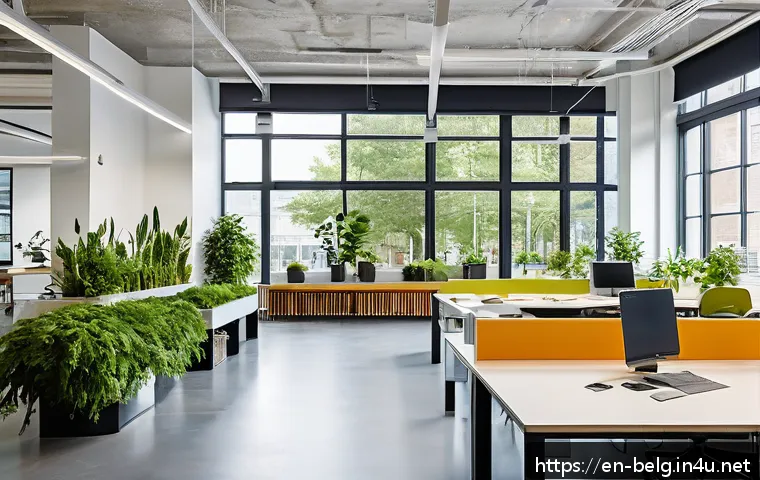
Belgian workplaces often prioritize ergonomic furniture, natural lighting, and open spaces designed to facilitate teamwork. This conscious design supports both physical health and social interaction.
I’ve visited offices where breakout rooms and quiet zones coexist, allowing employees to choose environments that suit their tasks. Such thoughtful layouts reduce fatigue and promote sustained focus.
Incorporating Green Spaces and Nature
Access to greenery is a common feature in many Belgian office environments. Whether it’s rooftop gardens, indoor plants, or nearby parks, these natural elements contribute to mental clarity and stress reduction.
Studies back this up, and my own visits to Belgian companies confirm the positive atmosphere created by these touches of nature. Employees can take short walks or simply enjoy views of greenery, which refreshes their minds and bodies.
Facilities That Encourage Healthy Habits
Many companies provide on-site fitness centers, bike storage, and healthy dining options. This holistic approach to wellbeing encourages employees to maintain physical health, which directly impacts productivity and mood.
I’ve heard stories of colleagues biking to work and then hitting the gym during breaks, something that feels seamlessly integrated into their daily routine thanks to supportive workplace infrastructure.
How Belgian Work Culture Reflects in Global Trends
Leading by Example in Work-Life Integration
Belgium’s balanced approach serves as a benchmark for companies worldwide seeking sustainable productivity models. The emphasis on flexibility, wellbeing, and employee rights aligns closely with emerging global trends toward humane work cultures.
From my observations, companies adopting similar strategies report fewer burnout cases and higher retention rates, confirming the effectiveness of Belgium’s model.
Adapting to a Post-Pandemic Workforce
The pandemic accelerated changes in how and where we work, and Belgian organizations were well-positioned to adapt due to their pre-existing flexible policies.
This adaptability has set a precedent for resilience in uncertain times. I find it inspiring how Belgian companies blend tradition with innovation, maintaining core values while embracing new work paradigms.
Inspiring a Global Dialogue on Employee-Centric Workplaces
Belgium’s example sparks important conversations about the future of work across continents. As companies worldwide grapple with balancing output and wellbeing, the Belgian approach offers practical, tested solutions.
Sharing these insights encourages a global shift toward workplaces that prioritize people as much as profits, a change I personally welcome and hope to see more broadly adopted.
| Aspect | Belgium’s Approach | Impact on Employees | Global Relevance |
|---|---|---|---|
| Flexible Hours | Adjustable work schedules tailored to individual needs | Reduced stress, improved work-life balance | Model for flexible work policies worldwide |
| Remote Work | Hybrid models embraced pre-pandemic | Increased autonomy, less commute stress | Blueprint for post-pandemic workplace design |
| Mental Health Support | Workshops, in-house psychologists, wellness days | Destigmatization and proactive care | Encourages global mental health integration |
| Legal Protections | Strict working hour limits, generous leave | Prevents burnout, promotes recovery | Sets standard for employee rights enforcement |
| Learning & Development | Personalized training and clear career paths | Higher engagement and retention | Supports talent growth universally |
| Workspace Design | Ergonomic, green spaces, health facilities | Boosts physical and mental wellbeing | Inspires healthy office trends globally |
In Conclusion
Belgium’s work culture offers a refreshing blueprint for balancing productivity with employee wellbeing. Its focus on flexibility, mental health, and continuous development creates a supportive environment where people truly thrive. Embracing these principles can inspire organizations worldwide to foster healthier, more engaged workforces. Ultimately, the Belgian example proves that caring for employees is not just ethical but also smart business.
Helpful Information to Keep in Mind
1. Flexible work hours allow employees to align their schedules with personal needs, boosting motivation and reducing stress.
2. Remote and hybrid work models increase autonomy and help employees reclaim valuable time otherwise spent commuting.
3. Proactive mental health programs and open communication promote a stigma-free environment where wellbeing is prioritized.
4. Strong legal protections and generous leave entitlements safeguard workers from burnout and ensure adequate rest.
5. Investing in personalized training and thoughtfully designed workspaces supports both professional growth and physical health.
Key Takeaways
Belgium’s approach to work emphasizes respect for employee rights and wellbeing through flexible policies, mental health support, and career development opportunities. This holistic framework not only improves job satisfaction but also sustains high productivity. Companies looking to foster long-term engagement and loyalty can learn valuable lessons from Belgium’s balanced and people-centered work culture.
Frequently Asked Questions (FAQ) 📖
Q: How does Belgium ensure employee wellbeing while maintaining high productivity levels?
A: Belgium combines progressive labor laws with a strong emphasis on work-life balance to support employee wellbeing. For example, generous paid leave policies, mandatory rest periods, and flexible working hours help prevent burnout.
Additionally, many companies invest in wellness programs and promote open communication, which fosters a supportive environment. From my experience researching Belgian workplaces, this holistic approach not only keeps employees happy but also boosts their motivation and productivity.
Q: What specific labor policies in Belgium contribute to a healthier work culture?
A: Belgium’s labor policies include strict regulations on maximum working hours, compulsory breaks, and substantial vacation entitlements—often exceeding the EU average.
The country also encourages part-time work and remote working options, which have become even more prominent post-pandemic. These policies create a framework where employees feel valued and protected, leading to greater job satisfaction and reduced turnover.
In practice, I’ve seen how such policies empower workers to manage stress better and maintain a sustainable pace.
Q: Can companies outside of Belgium adopt similar strategies to improve their work environments?
A: Absolutely. While every country has its unique context, the core principles behind Belgium’s approach—prioritizing employee health, offering flexibility, and enforcing fair labor standards—are universally applicable.
Organizations can start by listening closely to their employees’ needs, implementing flexible schedules, and investing in mental health resources. From what I’ve observed, companies that genuinely commit to these changes often experience enhanced engagement and lower absenteeism, proving that wellbeing and productivity can go hand in hand globally.