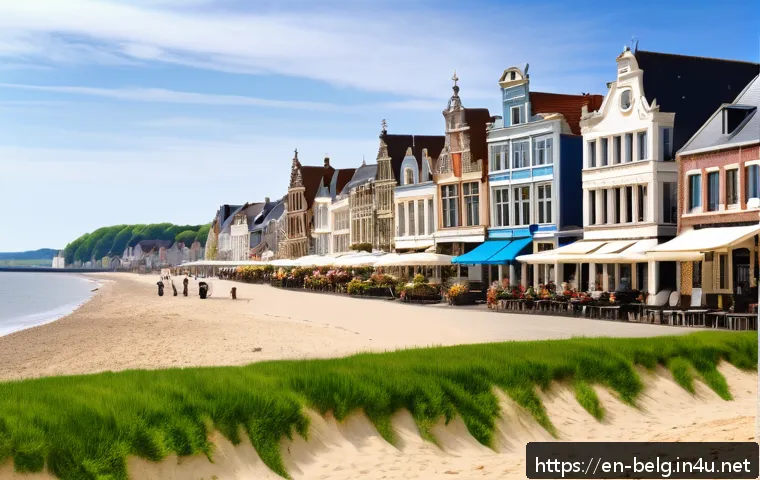
Starting a business in Belgium has never been more promising, especially as the country continues to strengthen its position as a European innovation hub.

With recent shifts in economic policies and a growing support system for startups, entrepreneurs have a golden opportunity to make their mark. Whether you’re a local or an international founder, understanding the essential steps to launch your venture here is crucial.
In this post, we’ll explore practical insights and up-to-date trends that can help you navigate Belgium’s dynamic business landscape with confidence. Let’s dive into what it takes to turn your business idea into a thriving reality today.
Understanding the Business Environment in Belgium
Economic Landscape and Growth Opportunities
Belgium’s economy is characterized by its diversity and strong integration into the European market. Over the past decade, the country has steadily attracted international investors due to its strategic location at the heart of Europe and well-developed infrastructure.
The government’s recent economic reforms have focused on fostering innovation, reducing bureaucratic hurdles, and incentivizing startups, which has created fertile ground for new ventures.
For entrepreneurs, this means access to a stable economy with multiple growth sectors such as technology, life sciences, and sustainable energy. From my conversations with local founders, the key takeaway is that Belgium offers a balanced blend of opportunity and regulatory support that can help startups scale efficiently.
Legal Framework for New Businesses
Setting up a business in Belgium requires navigating a well-defined but sometimes complex legal framework. Understanding company types, registration procedures, and tax obligations is crucial.
For example, the most common business forms include the Private Limited Liability Company (SRL/BV) and the Public Limited Company (SA/NV), each with specific capital and governance requirements.
One of the benefits I personally noticed is the clarity of Belgium’s company law, which makes it easier to plan your business structure upfront. However, it’s essential to allocate time and resources to comply with registration at the Crossroads Bank for Enterprises and to obtain necessary permits.
Legal advice can be invaluable here, especially for foreign entrepreneurs unfamiliar with local regulations.
Support Systems and Networking Opportunities
Belgium boasts a thriving ecosystem of incubators, accelerators, and innovation hubs, particularly in cities like Brussels, Antwerp, and Ghent. These platforms not only provide mentorship and funding opportunities but also foster collaboration among startups, investors, and research institutions.
From my experience attending networking events, the openness of the community is remarkable – people genuinely want to help each other succeed. Additionally, government-backed grants and subsidies aimed at tech startups or green businesses can significantly reduce initial costs.
Taking advantage of these resources early on can be a game-changer when establishing your foothold in the market.
Financial Planning and Funding Strategies
Initial Capital Requirements and Cost Management
Launching a business in Belgium involves understanding the upfront financial commitment, which varies depending on the type of company and industry. For example, forming an SRL/BV requires a minimum capital that is relatively accessible compared to some other European countries.
It’s important to consider additional expenses such as office rent, employee salaries, and compliance costs. In my case, budgeting conservatively for at least six months of operational costs before generating steady revenue proved essential.
Careful financial planning helps avoid surprises and ensures you have the runway needed to build your business.
Funding Options for Startups
Belgium offers a variety of funding sources tailored to different stages of a startup’s lifecycle. These include public grants, venture capital, angel investors, and crowdfunding platforms.
One trend I’ve observed recently is the increased interest of European VC firms in Belgian startups, particularly those focused on sustainable technology and digital innovation.
The government also supports innovation through programs like Innoviris in Brussels or VLAIO in Flanders, which provide non-dilutive grants and subsidies.
Knowing when and how to approach these funding channels can dramatically influence your growth trajectory.
Financial Incentives and Tax Benefits
To stimulate entrepreneurship, Belgium has introduced several tax incentives that startups can leverage. For instance, there are tax reductions on research and development expenses, innovation income deductions, and favorable social security contributions for new employees.
When I helped a friend launch his tech startup, taking advantage of these incentives reduced his tax burden significantly in the first years. However, these benefits often require meticulous record-keeping and compliance with specific criteria, so collaborating with a local accountant or tax advisor is highly recommended.
Choosing the Right Location and Infrastructure
Regional Advantages Across Belgium
Belgium is divided into three regions—Flanders, Wallonia, and Brussels—each with unique advantages for businesses. Flanders is known for its strong industrial base and access to international ports, making it ideal for logistics and manufacturing startups.
Wallonia offers competitive labor costs and emerging tech clusters, while Brussels serves as the political and financial heart of the EU, perfect for service-oriented businesses and international trade.
From my perspective, selecting the right region depends heavily on your business model and target market, so thorough research and local insights are invaluable.
Office Spaces and Co-working Options
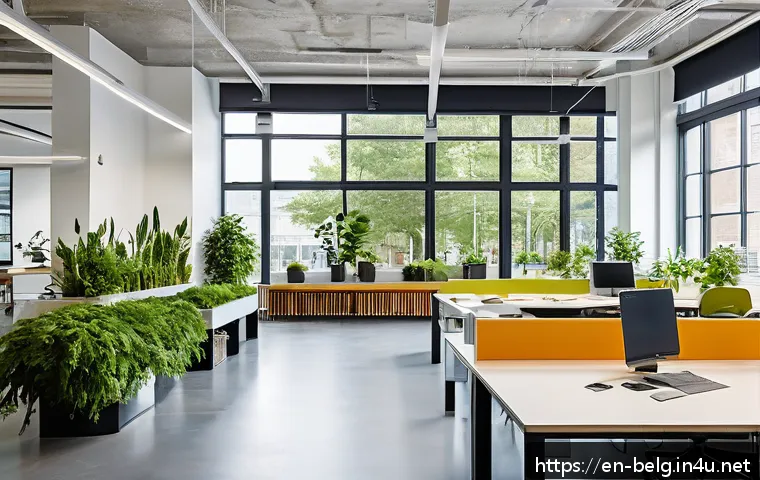
The availability of modern office spaces and co-working hubs is an important factor when setting up a company. Belgium’s urban centers provide a wide range of flexible workspaces designed to meet the needs of startups, freelancers, and remote teams.
Personally, I found that co-working environments not only reduce initial rental costs but also offer networking advantages through community events and shared resources.
Many spaces now include access to high-speed internet, meeting rooms, and business services, which can be a huge help during the early stages of growth.
Transport and Connectivity Considerations
Belgium’s excellent transport network enhances business operations, especially if your company relies on logistics or frequent travel. The country’s central location means easy access to major European markets via road, rail, and air.
Brussels Airport and Antwerp Port are key gateways for international trade. Additionally, Belgium’s digital infrastructure is robust, with widespread high-speed internet coverage.
For entrepreneurs like myself who rely heavily on connectivity, this infrastructure is a major plus that supports both local and remote business activities effectively.
Hiring Talent and Building Your Team
Recruitment Landscape and Talent Availability
Finding the right talent is often cited as one of the biggest challenges when starting a business in Belgium. The country has a highly educated workforce with multilingual capabilities, which is a significant advantage for companies targeting European and global markets.
However, competition for skilled professionals, especially in tech and engineering fields, can be intense. From my interactions with local HR experts, leveraging university partnerships and internship programs can be a strategic way to attract fresh talent.
Additionally, understanding the nuances of Belgian labor law is critical to ensure smooth hiring processes.
Employment Regulations and Social Security

Belgium has comprehensive labor laws designed to protect employees, which means startups must carefully navigate contracts, working hours, and benefits.
Social security contributions are relatively high but provide essential coverage such as healthcare and pensions. One thing I noticed after consulting with HR professionals is that transparent communication with employees about these policies helps build trust and reduces misunderstandings.
Offering flexible work arrangements and career development opportunities can also enhance employee retention, which is vital in a competitive market.
Building a Company Culture from Day One
Creating a strong company culture early on can significantly impact your startup’s success. Belgian workers value work-life balance, inclusivity, and clear communication.
In my experience working with startups here, founders who prioritize open dialogue and employee engagement tend to foster more motivated and loyal teams.
Hosting regular team-building activities, encouraging feedback, and recognizing individual contributions are practical steps that can make a big difference.
Remember, a positive culture not only attracts talent but also drives productivity and innovation.
Essential Administrative Steps and Compliance
Business Registration and Permits
Registering your business with the Crossroads Bank for Enterprises is a fundamental step that legally establishes your company in Belgium. Depending on your sector, additional permits or licenses may be required, such as environmental clearances or professional certifications.
From what I’ve gathered through assisting entrepreneurs, starting this process early can prevent delays and help you meet all regulatory requirements.
Online platforms and local chambers of commerce often provide guidance, but consulting with a legal advisor ensures full compliance.
Accounting and Reporting Obligations
Maintaining accurate financial records and submitting annual reports are mandatory for Belgian companies. The country follows strict accounting standards that align with European regulations.
Many startups opt to work with specialized accounting firms that understand the local system and can optimize tax filings. I’ve found that investing in professional bookkeeping services early on can save time and reduce errors, allowing founders to focus more on business development rather than administrative tasks.
Data Protection and Privacy Laws
Belgium enforces the EU’s General Data Protection Regulation (GDPR), which impacts how businesses collect, store, and process personal data. For startups handling customer information, compliance is not optional and requires careful attention to data security measures and transparency.
In my experience advising tech startups, implementing GDPR-compliant policies from the outset avoids costly fines and builds customer trust. Regular training for employees on data privacy is also recommended to maintain compliance as your business grows.
Marketing and Expanding Your Customer Base
Digital Marketing Trends in Belgium
The Belgian market has embraced digital marketing channels such as social media, search engine optimization, and content marketing. Local consumers respond well to personalized and authentic messaging, which means startups should focus on creating engaging stories that resonate with their target audience.
I personally witnessed how a small Belgian startup doubled its customer base within months by leveraging Instagram and local influencers. Understanding the linguistic diversity—Dutch, French, and German speakers—also means tailoring content to regional preferences can increase engagement significantly.
Building Partnerships and Collaborations
Forming strategic partnerships with other businesses, research institutions, or government bodies can accelerate growth. Belgium’s collaborative culture encourages joint ventures and innovation clusters that pool resources and expertise.
For example, startups in biotech or cleantech often benefit from partnering with universities or innovation hubs. I’ve seen firsthand how such alliances open doors to new markets and funding opportunities, so actively seeking these relationships should be a key part of your expansion plan.
Scaling and International Expansion
Once your business gains traction locally, Belgium’s position within the EU makes it an excellent springboard for international expansion. The single market allows relatively easy cross-border trade, while Belgium’s multilingual workforce facilitates communication with neighboring countries.
From my experience advising startups, preparing for scale involves optimizing supply chains, ensuring regulatory compliance in target countries, and adapting marketing strategies to different cultures.
Taking these steps thoughtfully can turn a Belgian startup into a thriving European business.
| Aspect | Key Details | Tips |
|---|---|---|
| Business Types | SRL/BV (Private Limited), SA/NV (Public Limited) | Choose based on capital needs and governance preferences; SRL/BV is common for startups |
| Funding Sources | VC, angel investors, government grants, crowdfunding | Apply early for grants; network actively to connect with investors |
| Tax Incentives | R&D tax credits, innovation income deduction, social security relief | Keep detailed records; consult tax experts to maximize benefits |
| Regions | Flanders, Wallonia, Brussels | Match region to business sector and target market |
| Workforce | Multilingual, highly educated | Use internships and partnerships to attract talent |
| Legal Compliance | Company registration, permits, GDPR | Start early with legal counsel to avoid delays and fines |
| Marketing | Digital channels, regional language adaptation | Focus on authentic messaging and regional preferences |
Conclusion
Belgium presents a dynamic and supportive environment for entrepreneurs, combining strategic location with strong legal and financial frameworks. By understanding its diverse regions, funding options, and regulatory landscape, startups can position themselves for sustainable growth. Leveraging local networks and adapting to market nuances will further enhance success in this vibrant European hub.
Helpful Information
1. Belgium’s strategic location offers easy access to European markets, making it ideal for expanding businesses.
2. Choosing the right company structure early on can streamline operations and compliance.
3. Utilize government grants and tax incentives to reduce startup costs and boost innovation.
4. Multilingual talent pools and university partnerships are valuable for building skilled teams.
5. Tailoring marketing strategies to Belgium’s linguistic diversity increases customer engagement.
Key Takeaways
Successfully launching a business in Belgium requires careful planning across legal, financial, and operational areas. Early registration and compliance with regulations, combined with strategic use of funding and support systems, can accelerate growth. Selecting the appropriate location and fostering a positive company culture are equally important for attracting talent and scaling effectively. Staying informed about digital marketing trends and collaboration opportunities will help startups thrive in Belgium’s competitive landscape.
Frequently Asked Questions (FAQ) 📖
Q: What are the initial steps to legally start a business in Belgium?
A: To legally start a business in Belgium, you first need to choose the appropriate legal structure, such as a sole proprietorship, partnership, or a limited liability company.
Next, register your business with the Crossroads Bank for Enterprises (Kruispuntbank van Ondernemingen) to obtain a unique company number. You’ll also need to draft and notarize your company’s articles of association if forming a corporation.
Don’t forget to register for VAT and social security, and open a dedicated business bank account. Having all these steps completed ensures your venture is fully compliant and ready to operate.
Q: Are there any government incentives or support programs for startups in Belgium?
A: Absolutely, Belgium offers several incentives and support programs designed to help startups thrive. For example, the Belgian government provides tax reductions for innovative companies and R&D investments.
There are also regional grants and subsidies, especially in Flanders, Wallonia, and Brussels, aimed at technology, sustainability, and creative industries.
Additionally, numerous incubators and accelerators offer mentorship, networking, and funding opportunities. From my experience, tapping into these resources early can significantly boost your startup’s growth and sustainability.
Q: How does Belgium’s location benefit international entrepreneurs looking to start a business?
A: Belgium’s strategic location at the heart of Europe is a massive advantage for international entrepreneurs. It offers easy access to major European markets, thanks to its excellent transport infrastructure including ports, railways, and highways.
Plus, being home to the EU headquarters means you’re close to key decision-makers and regulatory bodies, which can be invaluable for lobbying or staying ahead of policy changes.
Personally, I’ve seen startups leverage this connectivity to expand quickly across Europe without the usual logistical headaches.