As travel gradually regains its rhythm in 2024, more explorers are seeking destinations off the beaten path. Wallonia, Belgium’s French-speaking heartland, offers a treasure trove of cultural richness, mouthwatering cuisine, and breathtaking landscapes that remain delightfully under the radar.
Whether you’re a history buff, a food lover, or simply craving serene natural beauty, Wallonia has something special waiting for you. In this post, I’ll share some insider tips and unforgettable experiences that make this region a must-visit.
Stick around to uncover hidden gems that will inspire your next adventure!
Enchanting Historic Towns Off the Beaten Path
Discovering Hidden Medieval Gems
Wandering through Wallonia’s lesser-known medieval towns feels like stepping back in time. Unlike the crowded streets of Brussels or Bruges, places like Durbuy or La Roche-en-Ardenne offer authentic cobblestone alleys lined with centuries-old architecture and charming boutiques.
What struck me most was the tranquility—you can truly soak in the atmosphere without jostling for space. The medieval castles perched on hillsides invite exploration, and local guides often share captivating stories passed down through generations.
It’s the perfect setting for history lovers who crave intimacy with the past rather than a quick photo op.
Architectural Wonders Beyond the Obvious
Wallonia boasts a surprising variety of architectural styles, from Gothic cathedrals to Art Nouveau masterpieces tucked away in small villages. Take the city of Tournai, for instance—its cathedral is a UNESCO World Heritage site, but the real charm lies in wandering its quiet squares and discovering quaint chapels that many travelers overlook.
I found myself lingering in tiny museums and artisan workshops, where the blend of old-world craftsmanship and modern creativity breathes life into these historic spaces.
Festivals That Celebrate Local Heritage
Timing your visit to coincide with regional festivals is an absolute must. The colorful Ducasse de Mons, for example, bursts with medieval pageantry, parades, and traditional music.
I was fortunate to witness the lively atmosphere filled with locals and visitors sharing in age-old customs. These events offer a rare window into the cultural heartbeat of Wallonia, far beyond what typical tourist guides cover.
A Culinary Journey Through Local Flavors
Sampling Wallonia’s Signature Dishes
Food in Wallonia is an adventure on its own. From hearty game stews to delicate pastries, the region’s cuisine reflects its rich agricultural heritage and French influence.
I highly recommend trying “boulets à la Liégeoise,” meatballs served in a sweet-and-sour sauce, which pairs perfectly with the region’s famous Belgian beers.
Each meal felt like a story on a plate, prepared with recipes handed down through families. The warmth of local hospitality often shines brightest during these shared meals.
Exploring Artisan Markets and Food Halls
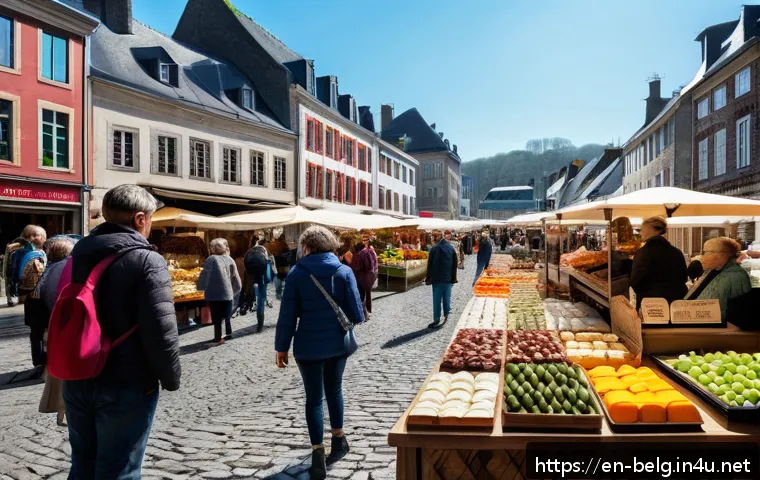
Markets in cities like Namur and Charleroi are treasure troves of fresh produce, cheeses, and handmade chocolates. I loved chatting with vendors who proudly explained the origins of their products.
These vibrant hubs provide a glimpse into the daily life and traditions that shape Wallonia’s culinary identity. Sampling locally made specialties on the spot made me appreciate the region’s dedication to quality and flavor even more.
The Rise of Wallonia’s Craft Breweries
Belgium’s beer reputation is well-known, but Wallonia’s craft scene is quietly booming. Small breweries experiment with unique flavors, blending traditional methods with modern twists.
I visited a few where brewers enthusiastically shared their passion and offered tastings that revealed distinct regional characteristics. For beer enthusiasts, these experiences add depth and excitement to the typical beer tour.
Immersive Nature Escapes and Outdoor Adventures
Exploring the Ardennes Forests
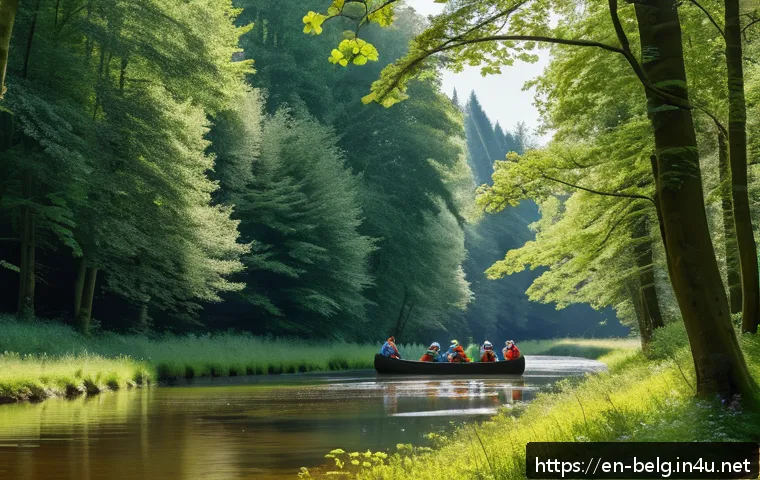
The Ardennes region in Wallonia is a nature lover’s paradise. Its dense forests, rolling hills, and winding rivers create endless opportunities for hiking, cycling, and kayaking.
I found that each trail offered something different—from peaceful woodland paths to panoramic viewpoints overlooking valleys dotted with quaint villages.
The fresh air and calming sounds of nature provided a perfect reset from city life.
Seasonal Wonders and Wildlife Encounters
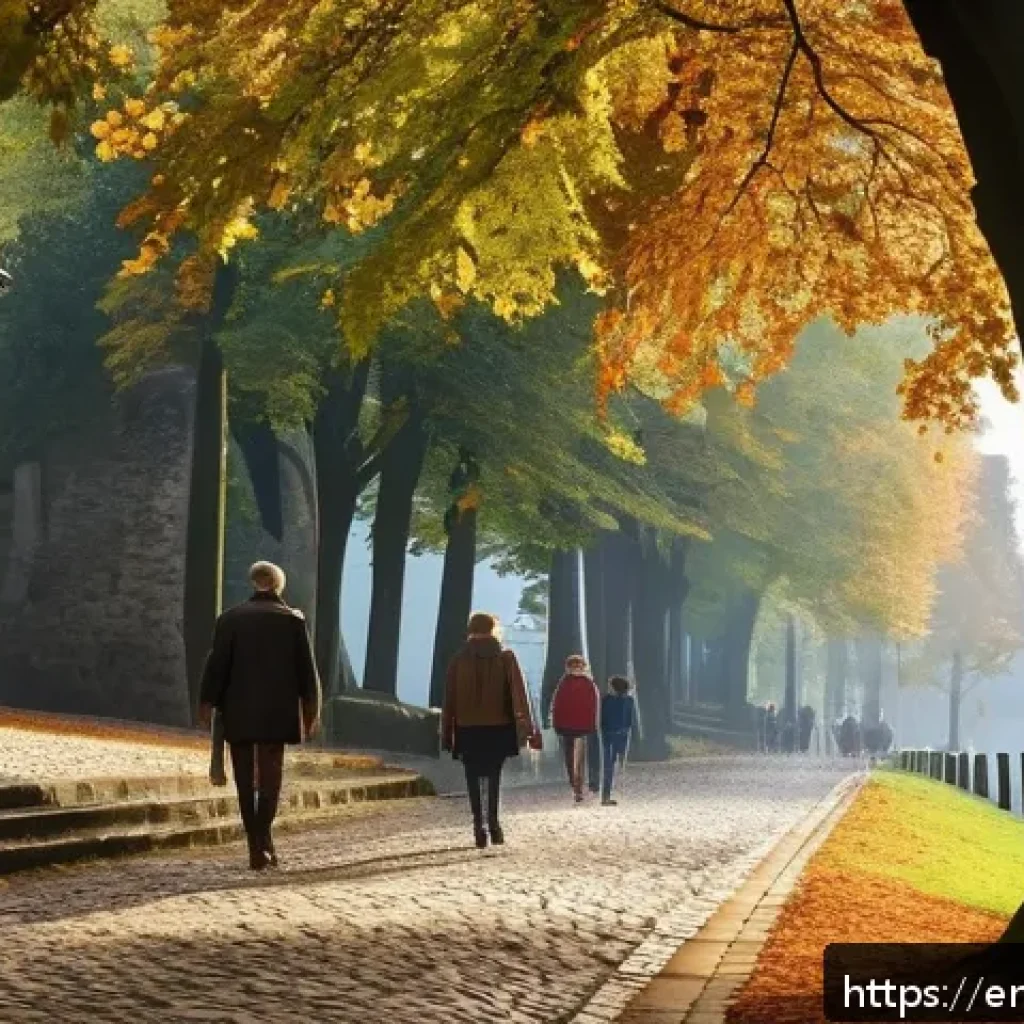
Visiting Wallonia across seasons reveals its dynamic beauty. Autumn paints the forests in fiery reds and golds, while spring brings vibrant wildflowers and awakening wildlife.
On a guided nature walk, I spotted deer and a variety of bird species, which added an element of surprise and joy. The region’s commitment to preserving natural habitats makes it an ideal destination for eco-conscious travelers.
Outdoor Activities for Every Adventurer
Whether you’re into adrenaline-pumping sports or leisurely exploration, Wallonia delivers. Rock climbing spots, horseback riding trails, and even zip lines are scattered throughout the countryside.
I personally tried a canoe trip down the Lesse River—it was exhilarating and offered a fresh perspective on the landscape’s rugged charm. For those who prefer a gentler pace, scenic train rides through picturesque valleys offer a relaxing way to absorb the scenery.
Artistic Expressions and Contemporary Culture
Street Art and Modern Galleries
Wallonia’s cities and towns harbor a vibrant contemporary art scene that often surprises visitors expecting only historic charm. In places like Charleroi, colorful murals and street art bring urban spaces to life, reflecting local stories and social themes.
I enjoyed wandering these open-air galleries, which add an unexpected layer of creativity to the region’s cultural fabric.
Traditional Crafts and Workshops
The region’s artisanal heritage is alive and well, with many craftspeople offering workshops where you can learn pottery, weaving, or glassblowing. Participating in these hands-on experiences gave me a deeper appreciation for the skill and patience behind Wallonia’s artisanal products.
Plus, taking home a handmade souvenir feels far more meaningful than anything bought off the shelf.
Music and Performing Arts Festivals
Wallonia hosts a variety of festivals celebrating music, theater, and dance throughout the year. From classical concerts in historic theaters to lively folk music gatherings in village squares, these events showcase the region’s rich artistic diversity.
I found that joining a local performance or festival is one of the best ways to connect with the community and experience Wallonia’s vibrant spirit.
Practical Tips for an Authentic Wallonia Experience
Getting Around and Navigating the Region
While Wallonia’s public transport network is reliable, renting a car offers greater freedom to explore remote villages and natural sites at your own pace.
I recommend planning your route in advance but leaving room for spontaneous detours—some of the best discoveries happen when you take a wrong turn or follow a local’s suggestion.
GPS apps work well here, but don’t hesitate to stop and ask for directions; locals are friendly and happy to help.
Where to Stay for an Immersive Experience
Accommodation ranges from cozy bed-and-breakfasts in historic homes to boutique hotels blending modern comforts with local charm. I stayed in several family-run inns that offered warm hospitality and insider tips on hidden spots.
Choosing places outside major cities often means better value and a more peaceful atmosphere, which enhances the overall experience.
Seasonal Considerations and Best Times to Visit
Wallonia’s climate varies with the seasons, so packing accordingly is key. Spring and early autumn are ideal for outdoor activities and avoiding crowds, while winter offers magical snowy landscapes perfect for cozying up in a rustic chalet.
Summer brings festivals and longer days but can be busier in popular spots. I found that tailoring your itinerary to seasonal highlights helped me enjoy the region’s full spectrum of beauty.
| Aspect | Recommended Places | Best Time to Experience | Insider Tip |
|---|---|---|---|
| Historic Towns | Durbuy, La Roche-en-Ardenne, Tournai | Spring, Autumn | Join a local walking tour to uncover hidden stories |
| Food & Drink | Namur markets, Liège restaurants, Craft breweries in Charleroi | Year-round, especially during food festivals | Try pairing local beers with traditional dishes for full flavor |
| Nature & Outdoor Activities | Ardennes forests, Lesse River, Hiking trails near Spa | Summer, Autumn | Rent gear locally and ask for trail recommendations from guides |
| Art & Culture | Charleroi street art, Local artisan workshops, Music festivals | Summer, Festival seasons | Check event calendars in advance to catch unique performances |
| Accommodation | Family-run inns, Boutique hotels in small towns | Year-round | Book early during festival periods for best availability |
Unwinding in Quaint Villages and Scenic Spots
Charming Villages That Feel Like a Secret
Some of my most cherished moments were spent in Wallonia’s tiny villages, where life seems to slow down. Places like Crupet or Han-sur-Lesse exude peaceful charm with their stone cottages, winding lanes, and friendly locals.
Sitting at a café terrace watching the world go by, I felt completely immersed in a simpler, slower pace of life that’s becoming rare in today’s fast-moving world.
Natural Thermal Springs and Wellness Retreats
The town of Spa, lending its name to the wellness world, offers more than just its famous mineral springs. I indulged in relaxing treatments and wellness programs that blend modern spa luxury with nature’s healing power.
These retreats provide a perfect way to recharge after days of exploring, surrounded by lush greenery and fresh air.
Sunset Views and Hidden Lookouts
Wallonia’s landscape is dotted with secret spots perfect for catching breathtaking sunsets. I stumbled upon several hilltop lookouts where the fading light painted the sky in spectacular colors, casting long shadows over forests and rivers.
These quiet moments, often shared with just a handful of fellow travelers, felt like nature’s own private show—an unforgettable highlight of my journey.
Engaging with Locals for a Richer Travel Experience
Hospitality and Local Stories
The warmth and openness of Wallonia’s people left a lasting impression on me. Whether chatting with a café owner about the best local dishes or joining a community event, I found that locals are proud of their heritage and eager to share it.
These interactions often led to unexpected invitations, like home-cooked meals or guided tours, which enriched my trip beyond any guidebook.
Language Tips and Cultural Etiquette
French is the dominant language, but many locals speak some English, especially in tourist areas. A few polite phrases in French go a long way to breaking the ice and showing respect.
I noticed that simple gestures like greeting shopkeepers or thanking hosts sincerely created a friendlier atmosphere and sometimes even unlocked insider recommendations.
Supporting Local Businesses and Sustainability
Choosing to buy from local artisans, eat at family-run restaurants, and stay in eco-conscious accommodations not only supports the community but also ensures a more authentic experience.
I made it a point to prioritize these options, which led me to discover unique products and stories that wouldn’t be found in mass-market outlets. Plus, it felt good knowing my travel choices contributed positively to the region.
Seasonal Delights and Festive Traditions
Winter Wonders and Christmas Markets
Visiting Wallonia during winter transforms the region into a cozy wonderland. Christmas markets light up towns like Namur with festive stalls selling handcrafted gifts, mulled wine, and local delicacies.
I loved the magical atmosphere, with carolers and twinkling lights creating an enchanting backdrop for holiday shopping and celebrations.
Spring Blooms and Outdoor Renewal
Spring breathes new life into Wallonia’s landscapes. Gardens and parks burst into color, and outdoor cafes reopen after winter. It’s a wonderful time to enjoy leisurely walks, photography, and picnics by the riverside.
I found that spring festivals celebrating flowers and local produce add vibrant energy to the quieter tourist season.
Summer Celebrations and Open-Air Events
Longer days in summer mean more time to explore and join outdoor concerts, food fairs, and cultural parades. I attended several lively events where music, dance, and delicious street food brought communities together.
These celebrations showcase Wallonia’s joyful spirit and provide fantastic opportunities to mingle with locals and fellow travelers alike.
In Conclusion
Wallonia offers a captivating blend of history, culture, and nature that feels refreshingly authentic. Exploring its hidden medieval towns, indulging in local flavors, and engaging with warm-hearted locals made my journey truly memorable. Whether you seek adventure or relaxation, Wallonia’s charm lies in its genuine experiences away from the crowds. It’s a destination that invites you to slow down and savor every moment.
Helpful Information to Keep in Mind
1. Plan your visit during spring or autumn for mild weather and fewer tourists, enhancing your experience of historic towns and natural landscapes.
2. Renting a car is highly recommended to explore remote villages and scenic spots at your own pace, unlocking hidden gems along the way.
3. Don’t miss regional festivals—they offer unique insights into Wallonia’s rich traditions and lively community spirit.
4. Embrace local cuisine by visiting markets and craft breweries, where you can sample authentic flavors and meet passionate producers.
5. Learning a few basic French phrases and showing respect for local customs can deepen your connections with residents and enrich your travel experience.
Key Takeaways for Your Wallonia Trip
Wallonia’s appeal lies in its authentic, off-the-beaten-path experiences that combine historic charm, culinary delights, and natural beauty. Prioritize immersive interactions with locals and support small businesses to truly connect with the region’s culture. Flexibility in your itinerary allows for spontaneous discoveries that often become the most treasured memories. Remember to dress seasonally and book accommodations early during festivals to ensure a smooth and enjoyable visit.
Frequently Asked Questions (FAQ) 📖
Q: uestionsQ1: What are the must-visit hidden gems in Wallonia for first-time travelers?
A: For anyone exploring Wallonia for the first time, I highly recommend starting with the medieval town of Dinant, perched along the Meuse River. Its stunning cliffs and the iconic Collegiate Church create a fairy-tale atmosphere.
Another gem is the Caves of Han, an awe-inspiring natural wonder perfect for adventure seekers. Don’t miss the charming village of Durbuy, often called the smallest city in the world, which offers cozy streets and delightful local eateries.
These spots provide a perfect blend of history, nature, and local culture that truly capture Wallonia’s unique charm.
Q: How can I experience the local cuisine authentically in Wallonia?
A: To savor Wallonia’s rich culinary scene, I suggest venturing beyond typical tourist restaurants and trying family-run bistros or markets. The region is famous for its hearty dishes like “carbonnade flamande” (beef stew in beer) and “boulets à la Liégeoise” (meatballs with a sweet and sour sauce).
Pair these with local specialties such as artisanal cheeses and the renowned Belgian waffles from Liège. Visiting local breweries is also a treat, as Wallonia boasts some of Belgium’s best craft beers.
I found that chatting with locals often leads to discovering hidden spots where the food tastes truly authentic.
Q: What’s the best time of year to visit Wallonia for outdoor activities and sightseeing?
A: From my experience, late spring (May and June) and early autumn (September and October) are the ideal times to explore Wallonia. During these months, the weather is pleasantly mild, perfect for hiking in the Ardennes or strolling through picturesque villages without the summer crowds.
Autumn, in particular, brings vibrant foliage that enhances the already breathtaking landscapes. Winters can be magical too, especially if you enjoy cozy atmospheres and festive markets, but be prepared for colder weather and shorter daylight hours.
Planning your visit around these seasons ensures a more enjoyable and immersive experience.