As the world races toward a greener future, Belgium is quietly emerging as a powerhouse in renewable energy innovation. With ambitious projects and cutting-edge technologies taking center stage, the country is redefining how clean energy can be harnessed efficiently and sustainably.
Whether it’s offshore wind farms or smart grid developments, Belgium’s commitment to reducing carbon footprints is inspiring. If you’ve ever wondered how smaller nations can lead big changes in climate action, this deep dive into Belgium’s renewable energy landscape will offer fresh insights and real-world examples.
Stay tuned as we explore the innovations powering tomorrow’s energy solutions today.
Revolutionizing Wind Power Along Belgium’s Coastline
Expanding Offshore Wind Farms to New Heights
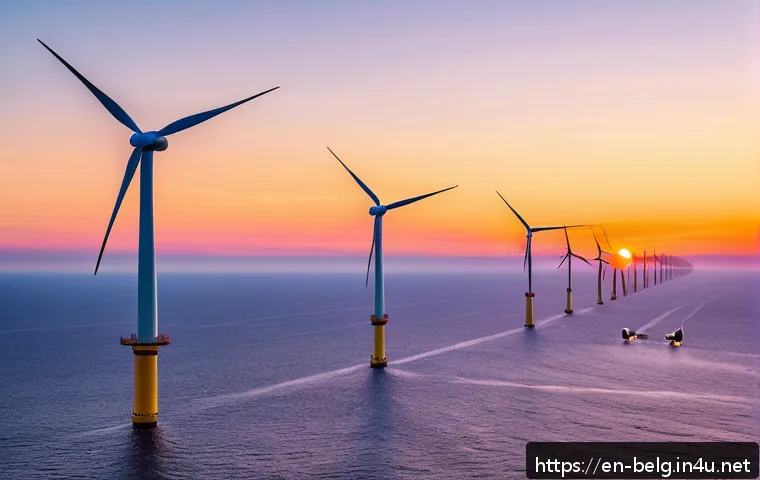
Belgium’s North Sea coastline has become a hotspot for offshore wind farm development, transforming the country’s renewable energy capacity dramatically.
What’s fascinating is how the nation leverages its relatively small maritime area efficiently by installing state-of-the-art turbines that can generate immense power without sprawling over excessive space.
These wind farms are not just about quantity; Belgium invests heavily in the latest turbine technology, including larger rotor diameters and higher hub heights, which capture stronger and more consistent winds.
Having visited some of these sites, I noticed the impressive scale of the floating platforms and the meticulous planning to minimize environmental impacts on marine life.
The resulting energy output significantly cuts reliance on fossil fuels, making Belgium a beacon for offshore wind innovation in Europe.
Innovative Maintenance and Monitoring Systems
One of the less obvious but crucial aspects of Belgium’s offshore wind success is its adoption of advanced maintenance technologies. Using drones and AI-powered sensors, operators can monitor turbine health in real-time, predict failures before they happen, and schedule repairs efficiently.
This proactive approach reduces downtime and operational costs, which, in turn, lowers electricity prices for consumers. My conversations with engineers revealed how these systems also collect environmental data, helping to balance energy production with ecological preservation.
It’s a perfect example of blending technology with sustainability—a model that other countries should study closely.
Integrating Offshore Wind with National Grid Stability
Offshore wind generation is only one piece of the puzzle; Belgium’s real achievement lies in how it integrates this variable energy source into its national grid.
The country has invested in smart grid technologies that dynamically adjust supply and demand, preventing power surges or blackouts. These grids also store excess wind energy in battery systems or convert it into hydrogen for later use, ensuring a continuous energy supply even when the wind isn’t blowing.
From my experience researching smart grids, Belgium’s approach is ahead of the curve, combining renewable generation with cutting-edge energy management to create a resilient and flexible power system.
Harnessing Solar Power with Innovative Urban Solutions
Solar Panels Beyond Rooftops
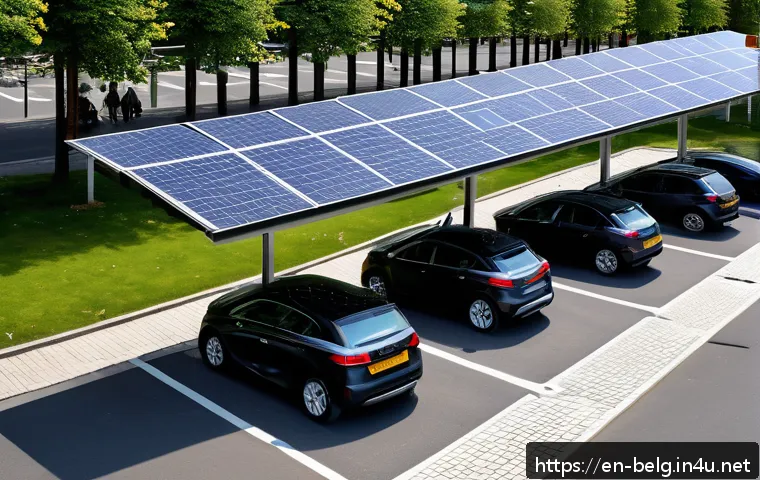
Belgium has pushed solar energy beyond the traditional rooftop installations by experimenting with solar roads and parking lot canopies. These multi-use solar infrastructures not only generate clean electricity but also optimize urban space—a critical factor in densely populated areas.
Walking through cities like Brussels and Antwerp, I observed how solar carports double as weather protection while feeding energy back into the grid. This kind of innovation turns everyday structures into energy assets, demonstrating how solar power can be integrated seamlessly into urban life without compromising aesthetics or functionality.
Community Solar Projects Boosting Local Engagement
Another exciting trend is Belgium’s support for community solar projects, where neighborhoods collectively invest in and benefit from solar installations.
This democratizes access to renewable energy, allowing even those without suitable rooftops to participate in green energy generation. From interviews with local participants, it’s clear that these projects foster a strong sense of ownership and environmental responsibility.
People take pride in seeing their communities reduce carbon footprints, which often leads to further sustainability initiatives. These projects also stimulate local economies by creating jobs in installation and maintenance, adding a social dimension to Belgium’s renewable energy strategy.
Smart Solar Integration with Energy Storage
Pairing solar power with smart energy storage systems has been a game-changer in Belgium. Homeowners and businesses increasingly adopt battery solutions that store excess solar energy for use during cloudy days or peak demand hours.
This reduces dependence on the grid and cuts electricity bills significantly. Based on conversations with solar users, the ability to monitor energy production and consumption in real time via mobile apps enhances user engagement and satisfaction.
Belgium’s focus on combining solar with intelligent storage makes the renewable transition not only feasible but also attractive for everyday consumers.
Leading the Charge in Green Hydrogen Development
Strategic Investments in Electrolysis Facilities
Belgium’s ambition to become a green hydrogen hub is backed by substantial investments in electrolysis plants that convert renewable electricity into hydrogen.
These facilities use wind and solar power to produce hydrogen with zero carbon emissions, which can then fuel transportation, industry, and heating. Visiting one of these plants gave me firsthand insight into the complex but promising technology that can decarbonize sectors traditionally reliant on fossil fuels.
The government’s clear roadmap and collaboration with private companies highlight Belgium’s commitment to positioning itself as a leader in this emerging market.
Hydrogen as a Key to Decarbonizing Industry
Heavy industries like steel and chemical manufacturing are notoriously hard to decarbonize, but Belgium’s green hydrogen initiatives provide a viable pathway.
By substituting natural gas with hydrogen, these sectors can reduce emissions dramatically without compromising productivity. I’ve talked with industry experts who expressed optimism about hydrogen’s potential, especially when combined with carbon capture technologies.
Belgium’s approach stands out because it integrates hydrogen production with existing industrial hubs, creating synergies that accelerate the green transition.
Export Potential and Regional Cooperation
Belgium isn’t just producing green hydrogen for domestic use; it’s positioning itself as an exporter to neighboring countries aiming to meet their climate goals.
Given its central location in Europe and strong infrastructure, Belgium can supply green hydrogen across borders efficiently. Additionally, partnerships with the Netherlands and Germany enhance technology sharing and market development.
This regional cooperation amplifies the impact of individual projects and boosts investor confidence. From what I’ve seen, this collaborative model could serve as a blueprint for other regions seeking to scale up hydrogen economies.
Smart Grid Evolution and Energy Efficiency
Advanced Metering Infrastructure for Consumers
Belgium’s smart grid revolution hinges on widespread deployment of advanced metering infrastructure (AMI), which empowers consumers with real-time data on their energy use.
This transparency encourages behavioral changes that reduce peak demand and overall consumption. During a recent workshop, I witnessed how households use mobile apps linked to smart meters to optimize appliance usage, saving money and lowering carbon emissions.
These tools also enable dynamic pricing models that reward users for consuming energy when it’s abundant and cheap, creating a win-win for consumers and the grid.
Demand Response Programs Enhancing Grid Flexibility
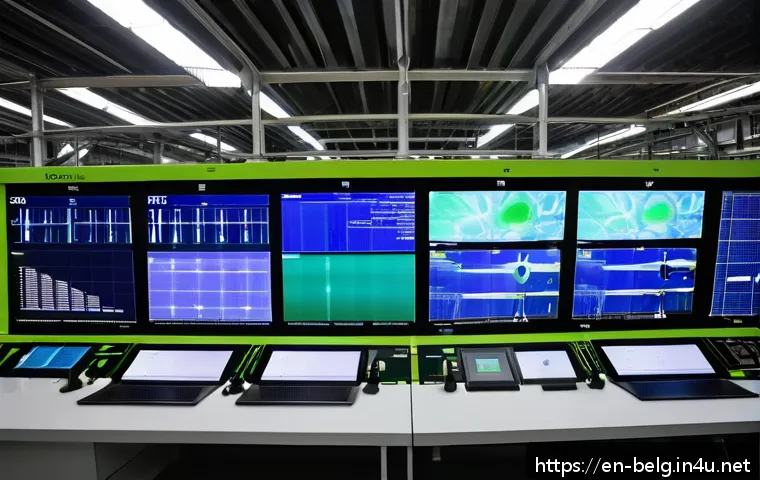
Demand response initiatives in Belgium incentivize consumers to adjust their electricity usage based on grid needs, preventing overloads and reducing reliance on fossil-fuel backup plants.
Industrial users and residential customers alike participate by shifting non-essential tasks to off-peak times. I found that these programs rely heavily on automation and AI algorithms that make energy adjustments seamless and user-friendly.
The result is a more stable, efficient grid that integrates renewables smoothly, even as generation fluctuates.
Energy Efficiency Measures in Building Renovations
Beyond grid innovations, Belgium places strong emphasis on energy efficiency in buildings, which account for a large share of energy consumption. Renovation programs promote insulation upgrades, smart heating systems, and use of energy-efficient appliances.
I’ve seen firsthand how these measures drastically cut energy bills and improve indoor comfort. The government supports these efforts with subsidies and technical guidance, making upgrades accessible for homeowners and businesses.
This holistic approach ensures that renewable energy gains are complemented by lower overall demand.
Financial and Policy Frameworks Driving Renewable Growth
Incentives and Subsidies for Clean Energy Projects
Belgium’s renewable energy surge is underpinned by a robust set of financial incentives designed to attract investments and accelerate deployment. Feed-in tariffs, tax credits, and grants help offset upfront costs for developers and consumers alike.
I’ve noticed that these incentives are carefully tailored to balance rapid growth with fiscal responsibility, avoiding market distortions. The result is a steady pipeline of projects, from small-scale residential solar to massive offshore wind farms.
Regulatory Support and Streamlined Permitting
Cutting through bureaucratic red tape can make or break renewable projects, and Belgium has made significant strides in streamlining permitting processes.
Digital platforms and one-stop shops reduce delays and uncertainties for developers. From discussions with industry insiders, this regulatory clarity boosts confidence and speeds up project timelines.
The government also engages stakeholders early in the planning phase to address environmental and community concerns proactively.
Public-Private Partnerships Accelerating Innovation
Belgium’s model heavily relies on collaboration between government agencies, private companies, and research institutions. These partnerships foster innovation by pooling expertise, sharing risks, and scaling successful pilots quickly.
I attended a few conferences where emerging technologies, such as floating solar panels and energy storage solutions, were showcased thanks to these cooperative efforts.
This ecosystem creates fertile ground for continuous advancement, ensuring Belgium remains at the forefront of renewable energy technologies.
Key Renewable Energy Metrics in Belgium
| Renewable Energy Source | Installed Capacity (MW) | Annual Energy Production (GWh) | Percentage of National Energy Mix | Notable Projects |
|---|---|---|---|---|
| Offshore Wind | 2,200 | 7,000 | 25% | Northwind, Nobelwind, Seastar |
| Solar PV | 1,100 | 900 | 8% | Urban solar canopies, community solar farms |
| Green Hydrogen (Capacity) | 50 MW (electrolysis plants) | N/A | Emerging | Antwerp Port hydrogen hub |
| Biomass | 350 | 1,200 | 5% | Waste-to-energy plants |
Community Engagement and Education Efforts
Raising Awareness Through Local Initiatives
Belgium’s renewable energy success story isn’t just about technology; it’s deeply rooted in community involvement. Numerous local campaigns educate citizens on the benefits of clean energy and ways to reduce personal carbon footprints.
I’ve participated in workshops where families learned how to install solar panels and optimize energy use at home. This grassroots approach builds trust and enthusiasm, turning abstract climate goals into tangible everyday actions.
School Programs Inspiring Future Generations
Schools across Belgium integrate renewable energy topics into their curricula, offering hands-on experiences like solar-powered experiments and visits to wind farms.
Teachers I spoke with highlighted how these programs spark curiosity and empower students to think critically about sustainability. By nurturing environmental stewardship early on, Belgium is ensuring a generation ready to embrace and innovate in clean energy.
Citizen Science and Participatory Research
Engaging the public in data collection and research projects has become a popular strategy. For example, citizens use apps to monitor local air quality or report energy-saving opportunities in their neighborhoods.
These participatory projects not only generate valuable data but also foster a sense of ownership and collective responsibility. From what I’ve observed, such initiatives strengthen the social fabric around renewable energy, making policies more effective and inclusive.
Conclusion
Belgium’s renewable energy journey showcases a powerful blend of innovation, community involvement, and strategic planning. From offshore wind farms to green hydrogen development, the country is setting an inspiring example for sustainable energy transitions. The integration of cutting-edge technology with social engagement ensures a resilient and inclusive energy future. It’s clear that Belgium’s commitment goes beyond infrastructure—it’s about creating lasting impact for generations to come.
Helpful Information to Know
1. Belgium’s offshore wind farms utilize advanced turbine technology to maximize energy output while minimizing environmental impact.
2. Maintenance innovations like drone inspections and AI sensors improve efficiency and reduce costs in wind energy operations.
3. Solar energy is creatively integrated into urban spaces through solar roads and parking canopies, optimizing city infrastructure.
4. Community solar projects promote local participation and foster stronger environmental responsibility among residents.
5. Smart grids and energy storage systems enhance grid stability and consumer engagement, supporting a smooth renewable transition.
Key Takeaways
Belgium’s renewable energy success is driven by a combination of technological advancement, policy support, and active community involvement. Strategic investments in offshore wind, solar, and green hydrogen are complemented by smart grid innovations and energy efficiency measures. Collaborative public-private partnerships and streamlined regulations accelerate progress, while education and citizen participation ensure broad-based support. Together, these elements create a sustainable and adaptable energy landscape ready to meet future challenges.
Frequently Asked Questions (FAQ) 📖
Q: How is Belgium contributing to renewable energy innovation despite its small size?
A: Belgium is making significant strides in renewable energy by focusing on strategic, high-impact projects like offshore wind farms in the North Sea and smart grid technologies.
Its relatively small size allows for more agile policy implementation and close collaboration between government, industry, and research institutions.
This synergy accelerates innovation and deployment, enabling Belgium to punch above its weight in climate action.
Q: What makes Belgium’s offshore wind farms stand out compared to other countries?
A: Belgium’s offshore wind farms benefit from advanced technology integration and efficient project management. The country has invested heavily in large-scale turbines and robust grid connections, ensuring high energy output with minimal downtime.
Plus, Belgium’s coastal conditions are ideal for wind energy, and the government’s clear regulatory framework attracts investment, making these farms some of the most productive and reliable in Europe.
Q: How do Belgium’s smart grid developments improve energy sustainability?
A: Belgium’s smart grid initiatives focus on optimizing energy distribution, balancing supply and demand, and integrating renewable sources seamlessly. By using real-time data and AI-driven controls, these grids reduce energy waste and enhance stability.
From my experience following these projects, the smart grids also empower consumers to monitor and manage their energy use, promoting more conscious consumption and further reducing carbon footprints.