Navigating the landscape of elementary education in Belgium can feel overwhelming, especially with ongoing discussions about curriculum updates and language community differences.
As more parents seek clarity on what their children will learn and how schools operate, understanding these key aspects becomes essential. Whether you’re relocating, considering local schools, or simply curious, this guide sheds light on Belgium’s education system.
Let’s explore what every parent should know to make informed decisions and support their child’s early learning journey effectively. Stay tuned for insights that can transform your perspective on schooling here.
Understanding the Regional Education Networks
Distinct Language Communities and Their Impact
Belgium’s education system is uniquely shaped by its three language communities: Dutch-speaking Flanders, French-speaking Wallonia, and the bilingual Brussels-Capital Region.
This division means that curriculum content, school governance, and even holidays can vary significantly depending on where you live. For parents, this means that your child’s learning experience will be closely tied to the linguistic and cultural context of the region.
For example, schools in Flanders emphasize Dutch language proficiency from the earliest grades, while Walloon schools focus on French. Brussels, being bilingual, offers a more complex but rich environment where children often encounter both languages.
Understanding this setup helps parents anticipate the language demands and cultural nuances their children will face daily.
School Networks: Public, Subsidized Private, and Community Schools
Another layer to navigate is the type of school network your child might attend. Public schools are run directly by the government and follow the official community curriculum strictly.
Subsidized private schools, often Catholic or secular, receive government funding but maintain some autonomy, particularly in religious or ethical education.
Community schools are typically linked to local authorities and offer more flexibility in curriculum adaptations. Parents often find that each network has its own vibe and educational approach, influencing everything from teaching style to extracurricular opportunities.
Visiting schools and speaking with teachers can be invaluable to grasp these subtle but meaningful differences.
How Regional Education Policies Shape Learning
Each language community’s government independently manages education policy, leading to ongoing reforms that can affect curriculum content, assessment methods, and teacher training.
For instance, Flanders has recently pushed for more digital skills integration, while Wallonia is focusing on bilingual education models to better prepare students for the multilingual job market.
Staying updated on these policy shifts is crucial for parents who want to support their children effectively. It also explains why you might hear about different school regulations or expectations depending on where your family resides, even within the same city like Brussels.
Curriculum Breakdown and What Kids Actually Learn
Core Subjects and Their Emphasis
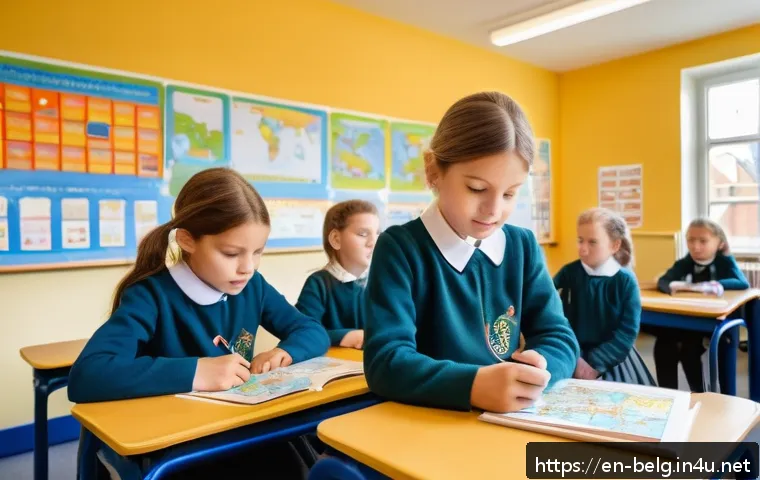
In Belgian elementary schools, the curriculum revolves around foundational skills such as reading, writing, and arithmetic, but the approach varies slightly by region.
For example, in Flanders, there is a strong emphasis on early literacy and numeracy through a structured, sequential program. Meanwhile, Walloon schools often integrate more exploratory learning techniques in the early years.
Science and social studies are introduced gradually, often linked to real-world contexts that children can relate to, like local history or environmental topics.
Parents often notice that while core subjects remain consistent, the teaching style and pacing can differ quite a bit.
Foreign Languages and Early Exposure
Foreign language learning is a hallmark of Belgian education, with English commonly introduced by the third or fourth grade. In Brussels, children might start learning both Dutch and French from early on, reflecting the city’s bilingual reality.
This early exposure to multiple languages can be challenging but also incredibly rewarding, as it boosts cognitive flexibility and cultural awareness.
Parents often find that schools offer language immersion programs or extra-curricular activities to support language development, which can make a huge difference in building confidence and fluency.
Arts, Physical Education, and Holistic Development
Beyond academics, Belgian schools place a solid emphasis on arts, music, and physical education, recognizing their role in a child’s overall growth. Children typically have weekly sessions dedicated to creative subjects like drawing or music, and daily physical activities that help develop motor skills and teamwork.
This balanced approach helps children not only excel intellectually but also grow socially and emotionally. From my experience visiting several schools, those that integrate arts and movement into their daily schedule tend to have more engaged and happier students.
School Enrollment Procedures and Practical Tips
Registration Timelines and Required Documents
Enrolling your child in a Belgian elementary school requires attention to timing and paperwork. Most schools open registration several months before the school year starts, and spots can fill up quickly, especially in popular areas.
You’ll typically need proof of residence, vaccination records, and sometimes previous school reports if your child is transferring. It’s wise to start this process early and confirm specific requirements with each school, as some might have additional forms or interviews.
Personally, I found that visiting schools during open days and preparing a checklist helped streamline this sometimes stressful phase.
Choosing Between Neighborhood and Specialized Schools
While many parents opt for neighborhood schools due to convenience and community ties, Belgium also offers specialized elementary schools focusing on bilingual education, arts, or pedagogical philosophies like Montessori or Steiner.
Each option presents distinct benefits and challenges, so it’s important to consider your child’s personality and learning style. For example, a Montessori school might appeal if your child thrives with more hands-on, self-paced learning, whereas a traditional public school might offer stronger community connections.
Talking to other parents and reading reviews can provide practical insights to guide your decision.
Transportation and School Hours
School hours typically run from morning until early afternoon, with some flexibility depending on the region. In Flanders, for instance, the school day often ends around 3:30 PM, while in Wallonia it might be slightly earlier.
Most children walk, bike, or use public transportation, especially in urban areas. Some schools offer aftercare or homework clubs, which can be a lifesaver for working parents.
I’ve noticed that understanding the local transport options and after-school services early on makes daily logistics smoother and reduces stress for families.
Supporting Your Child’s Learning at Home
Balancing Language Practice and Homework
Given Belgium’s multilingual environment, parents often wonder how to support language learning without overwhelming their child. A good strategy is to integrate language practice into daily routines—like reading bedtime stories in the school language or practicing simple conversations during meals.
Homework in elementary school is usually light but consistent, focusing on reinforcing what’s learned in class. Helping your child establish a regular study routine while keeping it fun and pressure-free can boost motivation and confidence.
From my conversations with teachers, they emphasize the importance of parental involvement without turning homework into a battleground.
Utilizing Community Resources and Extracurricular Activities
Many municipalities offer free or low-cost educational programs, libraries with children’s reading hours, and sports clubs that complement school learning.
These resources provide valuable opportunities for socialization and skill-building outside the classroom. For example, I’ve seen families benefit greatly from local language workshops or music lessons offered by community centers.
Getting involved in these activities not only enriches your child’s experience but also helps build a supportive network of other parents and educators.
Encouraging Curiosity and Critical Thinking
Belgian education increasingly values critical thinking and problem-solving from an early age. Parents can foster these skills by encouraging questions, exploring nature, or engaging in simple science experiments at home.
Rather than focusing solely on correct answers, praising effort and curiosity helps children develop a growth mindset. I recall a family friend whose child blossomed after their parents started weekly “discovery afternoons” where they explored topics like insects or local history together.
This kind of involvement makes learning a shared adventure rather than a chore.
Understanding Assessment and Progress Tracking
Formative and Summative Assessments Explained
Assessment in Belgian elementary schools balances continuous observation with periodic tests. Teachers use formative assessments—like class participation and projects—to gauge understanding day by day, while summative assessments happen at key points in the year to evaluate overall progress.
This approach helps identify areas where a child may need extra support early on. From what I’ve gathered, parents receive regular feedback through meetings and written reports, which provide a clear picture of strengths and challenges.
How Schools Communicate with Parents
Open communication is a cornerstone of Belgium’s education culture. Most schools hold parent-teacher meetings at least twice a year and send detailed reports outlining academic and social development.
Some schools also use digital platforms where parents can track homework, attendance, and upcoming events. Being proactive in these communications helps parents stay involved and address concerns promptly.
I remember a parent mentioning how a quick email exchange with a teacher about her child’s reading difficulties led to tailored support that made a big difference.
When Additional Support Is Needed
If a child struggles academically or socially, schools usually have support structures like remedial classes, counseling, or special education services.
Identifying these needs early is key to ensuring your child doesn’t fall behind. Parents are encouraged to collaborate closely with teachers and specialists to create an individualized plan.
From experience, families who engage openly and seek help early tend to navigate these challenges more smoothly and see positive outcomes.
Financial Aspects and School Costs
Understanding Tuition and Additional Fees
While public and subsidized private schools in Belgium are generally free or require only minimal fees, there are still costs parents should anticipate.
These can include school supplies, field trips, extracurricular activities, and lunch services. Private schools without subsidies typically charge higher tuition fees, which vary widely based on the institution’s prestige and offerings.
Personally, I’ve found that budgeting for these extras early helps avoid surprises and allows families to plan for enriching activities that enhance their child’s education.
Government Support and Subsidies
Belgium offers various financial aids and subsidies to families, especially those with lower incomes or multiple children in school. These supports can cover school supplies, transport, or meals.
Eligibility criteria differ by region, so it’s important to check with your local education authority. Many parents I’ve spoken with appreciate these programs as they significantly ease the financial burden and allow their children to participate fully in school life.
Balancing Quality and Affordability
Choosing a school often involves weighing the quality of education against cost considerations. While some parents prioritize specialized programs or bilingual settings, others focus on proximity and community feel.
Visiting several schools and discussing costs openly with administration can help families find a balance that suits their needs. From what I’ve observed, schools that offer transparent fee structures and flexible payment options tend to foster better trust and long-term satisfaction among parents.
Key Differences in School Calendars and Holidays
Regional Variations in School Terms
One of the quirks of Belgian elementary education is that school calendars differ depending on the language community. For instance, Flanders and Wallonia have slightly different holiday schedules, including autumn breaks and public holidays.
This can be confusing for families living near regional borders or with children attending schools in different communities. Knowing these differences helps parents plan vacations and childcare effectively.
I recall a family who had to juggle two calendars and found a shared digital calendar indispensable.
Impact on Family Life and Planning
These calendar discrepancies affect not just school attendance but also extracurricular activities and family routines. Coordinating work schedules, holiday trips, and social plans requires a good grasp of the local school calendar.
Many parents recommend subscribing to official regional education websites or school newsletters to stay updated on any last-minute changes. From personal experience, staying ahead of calendar shifts reduces stress and helps maintain a smooth daily rhythm for both children and parents.
Special Days and Cultural Celebrations
Belgian schools often celebrate regional festivals and cultural events that reflect their community’s heritage. Whether it’s a Saint Nicholas Day parade in Flanders or a carnival in Wallonia, these events enrich the school experience and connect children with local traditions.
Participating in such celebrations can be a wonderful way for families to engage with the community and support their child’s social integration. I’ve seen firsthand how these lively occasions create lasting memories and strengthen bonds among classmates and families.
| Aspect | Flanders | Wallonia | Brussels-Capital |
|---|---|---|---|
| Primary Language of Instruction | Dutch | French | Both Dutch and French (bilingual options) |
| School Networks | Public, Subsidized Private, Community | Public, Subsidized Private, Community | Public, Subsidized Private, Community (bilingual) |
| Typical School Hours | 8:30 AM – 3:30 PM | 8:30 AM – 3:00 PM | Varies, often bilingual schedules |
| Foreign Language Introduction | English from 3rd grade | English from 3rd grade | English plus either Dutch or French early on |
| School Holidays | Autumn, Christmas, Spring, Summer | Similar but with different dates | Combined calendar with bilingual considerations |
| Tuition | Mostly free with minor fees | Mostly free with minor fees | Mostly free with minor fees, bilingual schools may vary |
In Conclusion
Belgium’s regional education networks offer diverse and rich learning environments shaped by language and culture. Understanding these differences helps parents make informed choices and support their children effectively. While navigating various school types and policies might seem complex, embracing this diversity ultimately benefits students’ growth. Staying engaged and proactive ensures a positive educational experience for your child.
Helpful Information to Keep in Mind
1. Start the school enrollment process early to secure a spot and gather all necessary documents without stress.
2. Explore different school networks—public, subsidized private, and community—to find the best fit for your child’s needs and learning style.
3. Take advantage of community resources like libraries, language workshops, and extracurricular activities to enrich your child’s learning beyond the classroom.
4. Maintain open communication with teachers and school staff to stay updated on your child’s progress and any support options available.
5. Keep track of regional school calendars and holidays to plan family activities and avoid scheduling conflicts.
Key Takeaways
Belgium’s education system is deeply influenced by its linguistic communities, which shape curriculum, school governance, and daily routines. Parents should recognize the distinctions between school networks and the importance of early foreign language exposure. Staying informed about regional policies and school procedures can ease the enrollment process and support children’s learning. Furthermore, balancing academic demands with extracurricular and community involvement fosters well-rounded development. Lastly, proactive engagement with schools and understanding financial aspects help families navigate the system smoothly and confidently.
Frequently Asked Questions (FAQ) 📖
Q: How is the elementary education system structured in Belgium, and what languages are used in schools?
A: Belgium’s elementary education is organized mainly around three language communities: Dutch-speaking (Flemish), French-speaking (Walloon), and a smaller German-speaking community.
Each community manages its own curriculum and school administration, which means the language of instruction depends on the region where the school is located.
For example, in Flanders, Dutch is the primary language, while in Wallonia, French dominates. This division is important for parents to understand because it influences not only the language taught but also cultural and curricular emphases.
Schools typically start at age 2.5 or 3 and continue until age 12, focusing on foundational skills like reading, writing, math, and social development.
Q: What should parents consider when choosing an elementary school in Belgium?
A: When selecting a school, parents should consider several factors: language community, school type (public, subsidized private, or independent), proximity, and the school’s educational approach.
Since the curriculum and regulations differ by language community, it’s crucial to choose a school aligned with your family’s language preferences and long-term plans.
Visiting schools, talking to teachers and other parents, and understanding the school’s values and extracurricular offerings can provide a clearer picture.
Additionally, some schools may have waiting lists, so early enrollment and understanding application procedures are key. From personal experience, schools with engaged teachers and a supportive community environment make a significant difference in a child’s comfort and progress.
Q: Are there any recent changes or trends in Belgium’s elementary education that parents should be aware of?
A: Yes, Belgium’s education system is continuously evolving, with recent discussions focusing on curriculum modernization and integrating digital tools to enhance learning.
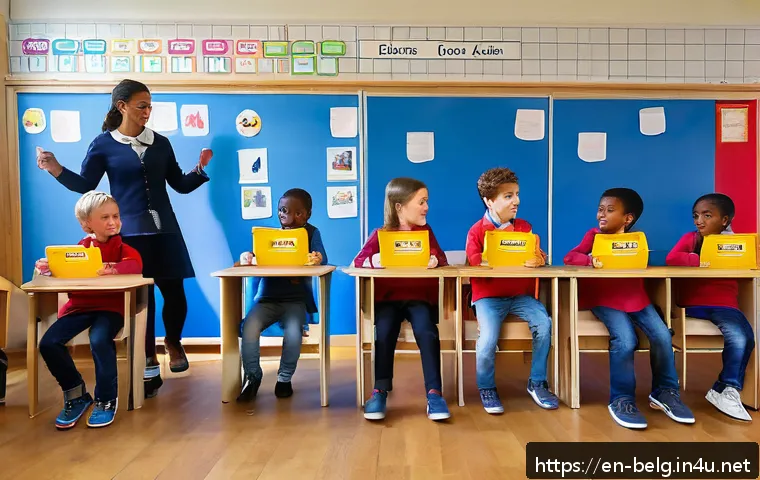
For instance, many schools have started incorporating more technology in the classroom, encouraging interactive and personalized learning experiences.
There’s also an increasing emphasis on multilingual education, recognizing Belgium’s diverse population and preparing children for a globalized world.
Parents should keep an eye on updates from their local education authorities or school communications to stay informed. From what I’ve noticed, schools that embrace innovation while maintaining strong foundational teaching tend to offer the best balance for children’s development.