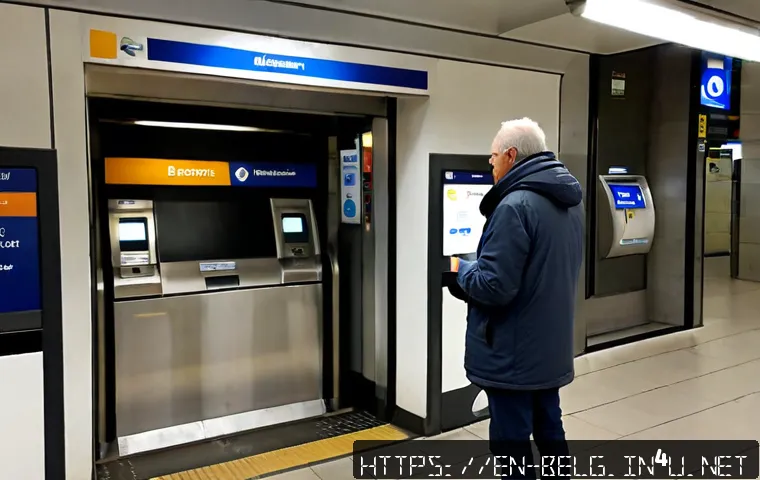
Learn how metro-style transport works in Belgium, especially Brussels: where to buy and validate tickets, how transfers connect with trains and trams, common mistakes to avoid, and when daily or multi-ride passes may offer better value.
Belgium does not have one nationwide subway system, so the transport option you need depends on the city and the final part of your journey. Most international visitors will use the Brussels Metro, trams, buses, and possibly an SNCB/NMBS train connection.
For a single city trip, a single-ride ticket or eligible contactless payment may be practical; for repeated trips, compare multi-ride and day-pass options before paying.
The key is to confirm which network your ticket covers, validate it when required, and check whether airport or rail connections are included. Brussels is the main place where visitors encounter a conventional Metro network.
Antwerp’s underground transport is largely connected with premetro trams, while Charleroi uses a light-rail/metro-style system. A train ticket and a city transport ticket can be separate products, even when your route looks like one continuous journey.
Checking the official route and ticket conditions before departure can prevent the most common visitor mistakes: buying for the wrong network, missing a validation step, or assuming a pass covers more than it does.
Quick View
- Brussels Metro is the metro-style network most international visitors are likely to use, together with STIB/MIVB trams and buses.
- Compare single tickets, multi-ride products, and day passes when you expect several local journeys in one day or across a short stay.
- Check coverage before boarding: SNCB/NMBS rail travel, airport services, and local city transport may require separate tickets.
| Travel situation | Option to compare | Best question to ask before paying |
|---|---|---|
| One short city journey | Single ride or eligible contactless payment | Does it work on the Metro, tram, or bus route I need? |
| Several journeys in one city | Multi-ride ticket or day pass | Will I take enough rides for a pass to make sense? |
| Airport arrival | Airport transfer and city ticket combination | Is the airport route included, or is there a separate condition? |
| Train arrival plus local transfer | SNCB/NMBS rail ticket plus local transport ticket | Does my rail ticket include any onward city transport? |
| Day trip to another Belgian city | Rail ticket and destination-city local ticket | Which operator runs the final local section? |
The Quick Answer: Which Belgian “Metro” Will You Actually Use?
The word “metro” can be misleading in Belgium. Your city and your final destination matter more than the label on the map. A visitor staying in central Brussels may use a Metro line, then finish the trip by tram or bus. Someone travelling to Antwerp may find underground tram sections instead of a conventional full Metro. In Charleroi, a light-rail or metro-style service may be part of the local journey.
Brussels Metro for Most International Visitors
Brussels has Belgium’s main rapid-transit Metro network. It operates within the wider STIB/MIVB public transport system, which also includes trams and buses. This matters because a hotel, meeting venue, museum, or restaurant may not sit beside a Metro station even when it is well connected by public transport.
For visitors, the practical approach is simple: plan the full route, not only the Metro portion. If a journey shows Metro plus tram, or Metro plus bus, confirm that your chosen ticket is valid for the services you will use. Do not assume that every ticket type, airport route, or transfer arrangement has identical conditions.
Antwerp Premetro and Charleroi Light Rail Explained
Antwerp’s underground sections are commonly associated with its premetro tram network. In everyday travel planning, this can feel metro-like because parts of the route run below ground. However, it should not be treated as the same type of system as the Brussels Metro when checking tickets, maps, and local transport rules.
Charleroi operates a light-rail/metro-style network alongside other local transport choices. If Charleroi is part of your itinerary, look at the local route rather than relying on a Brussels transport plan. A Belgium-wide trip can involve different local networks at each end.
Why National Trains Are a Separate Part of the Journey
SNCB/NMBS trains connect cities and major rail stations, while city operators handle many local Metro, tram, and bus journeys. These can be separate ticketing products. A rail ticket may get you to Brussels-Midi/Zuid, for example, but do not assume it automatically covers the Metro or tram onward.
This is especially important for business travelers with a train arrival and a time-sensitive meeting. Build in time to identify the local transport connection, purchase the correct product if needed, and complete any required validation.
Choose the Right Ticket: Single Ride, Multi-Ride, Day Pass, or Contactless
The right public transport ticket is usually determined by number of rides, travel area, and transfer needs. Buying the most flexible-looking option is not always necessary. On the other hand, choosing a single ticket for every leg can be inconvenient if you expect repeated transfers and sightseeing journeys.
A Simple Comparison for Common Visitor Itineraries
A single ride can suit a traveler making one direct local trip. A multi-ride option may be worth comparing when you expect several separate journeys but do not want a full day pass. A day pass can be a useful comparison point for a busy sightseeing day with multiple stops, provided the routes you need are included.
Contactless payment and mobile ticket options may be available on certain networks or routes. Availability and conditions can vary, so check before depending on a bank card or phone as your only way to travel. If more than one person is travelling, also verify whether each traveler needs their own ticket or payment method.
When a Travel Pass Can Cost Less Than Separate Rides
A travel pass deserves a closer look when your plan includes several distinct local trips: leaving your accommodation in the morning, changing areas for lunch, visiting another district, returning to rest, and going out again in the evening. The comparison is less useful if you will walk most of the day or make only one local journey.
Before choosing, write down the rides you realistically expect to take. Include transfers only when they count as separate ticket use under the relevant conditions, because transfer windows and fare rules need to be checked locally. Then compare the current official price and coverage of single rides, multi-ride products, and day travel options.
What to Check Before Assuming Airport or Train Transfers Are Included
Airport and rail connections are where visitors most often make an expensive assumption. A city pass may cover ordinary local transport but not every airport service. A rail ticket may cover the intercity section but not the local Metro, tram, or bus after arrival.
Check these points before purchase:
- the exact airport-to-city route you plan to take;
- whether the ticket is valid on the operator running that route;
- any airport-specific or rail-specific conditions;
- the travel area or zones shown in the ticket terms; and
- whether a transfer to a Metro, tram, or bus is included.
Buying, Tapping, and Validating Without Mistakes
Buying a ticket is only part of the process. Validation can be required even when the ticket has already been purchased. Treat the first gate, validator, or boarding point as a moment to confirm that your ticket is active and valid for the trip.
Where Tickets Are Typically Purchased
Local transport tickets may be available through station machines, operator sales channels, mobile options, or other approved points of sale. The best option depends on the city, the route, and the ticket type. At a major station, it is often easier to sort out your local transport before you reach a platform or vehicle, particularly if you have luggage or a tight connection.
Choose the product based on the journey you will actually make. A ticket for one local network should not be assumed valid on another network simply because both are in Belgium.
How Gates, Validators, and Contactless Payment May Work
Metro stations may use gates or validation points. Trams and buses may require a different boarding routine. Contactless payment and mobile tickets may be accepted in some situations, but availability is not universal by assumption. Check the current conditions for the city and route before relying on them.
If you use a contactless card or device, keep using the same payment method for the relevant journey. Switching between a physical card and a phone linked to that card may not always be treated as the same method by a transport system. Where a validator is present, follow the instructions displayed there.
Keep Your Ticket or Payment Method Ready for Inspections
Keep the ticket, card, or device used for payment accessible until the journey is complete. Ticket inspections can occur on local public transport. A screenshot, a bank statement, or an explanation that you bought a ticket is not a substitute for following the required ticket and validation process.

This small habit also helps when changing between services. Before boarding the next vehicle, pause and ask: Is this still the same network, and does my ticket remain valid?
Making Transfers Between Metro, Tram, Bus, and Train
Belgian urban travel often works best as a chain: train to station, Metro to a central area, tram or bus to the final street. The smoothest transfers come from checking the operator and ticket coverage before starting, rather than discovering a gap at the interchange.
Changing Within the Brussels City Network
In Brussels, Metro, tram, and bus services are all important parts of the wider STIB/MIVB network. A Metro-only mindset can leave you with a long walk at the end of the route. Use the route planner to see whether a tram or bus creates a simpler final connection.
Check the current transfer conditions for your ticket. Exact transfer windows, fare zones, and exclusions can change, so avoid planning around an assumed time allowance.
Connecting From Brussels Rail Stations to Local Transport
Major Brussels rail stations can be useful arrival points, but the local connection is a separate planning step. After arriving by SNCB/NMBS train, identify whether you need a Metro, tram, or bus and whether your rail product covers it. If not, purchase or activate the appropriate city transport option before travelling onward.
For a business trip, save the address of your destination and check which station exit or local stop is most convenient. This can reduce unnecessary changes, especially when you are carrying a suitcase.
Allow Extra Time When Changing Networks or Carrying Luggage
Transfers take longer when you must find a ticket machine, understand a new validation method, or navigate a large station. Add extra time if you are moving between national rail and local transport, arriving from the airport, or travelling late in the day.
Do not rely on a normal daytime plan for an evening return. Temporary diversions, construction, strikes, and late-night service patterns should be checked close to the time of travel.
Visitor Situations: Airport Arrivals, Day Trips, and Late Evenings
Most ticket decisions become clearer when you begin with the real trip in front of you. An airport arrival, a Brussels sightseeing day, and an intercity day trip can each need a different combination of rail and local transport.
Choosing an Airport-to-City Option Based on Destination and Luggage
Start with your final address, not simply “Brussels city centre.” Compare airport transfer options according to the station or district you need, the number of changes involved, luggage convenience, and whether the route requires a separate city ticket after arrival.
If your accommodation is near a tram or bus stop rather than a Metro station, an airport-to-rail-station plan may still need one more local leg. Check the full route and ticket inclusions before you travel.
Using Local Transit During a Brussels Sightseeing Day
For a sightseeing day, list the neighborhoods or attractions you genuinely expect to visit. If they are close together, walking may reduce the value of a day pass. If they are spread across Brussels and involve repeated Metro, tram, or bus trips, compare the current pass conditions against separate rides.
A practical plan is to choose your first destination, keep a backup route in mind, and preserve enough time for your return. Brussels trams and buses can be as useful as the Metro for the final part of a visitor itinerary.
Planning a Return Journey After Evening Events
Before an evening event, check the return route while you still have a reliable connection and time to adjust. Confirm the last practical services for your journey, any planned disruptions, and whether your preferred ticket remains valid. If service changes affect one mode, a tram, bus, or rail alternative may be relevant—but only if it is operating and your ticket conditions allow it.
Selection Criteria and Comparison Summary
Choose by realistic ride count, travel area, transfer needs, payment convenience, and the final destination. First, identify whether you are using Brussels local transport, Antwerp premetro, Charleroi light rail, SNCB/NMBS rail, or a combination. Second, confirm whether airport travel or rail-to-city transfer is included. Third, compare the current conditions of single rides, multi-ride options, and day passes rather than assuming the largest pass is better value.
Before you pay, check the official transport page for current fares, ticket validity, contactless availability, airport conditions, and service notices. Compare airport transfer options, rail tickets, and city-pass inclusions based on the exact route you plan to take.
Final Thoughts
Belgium’s public transport is easier to navigate once you separate the journey into parts: intercity rail, city transport, and the final walk. Brussels visitors will often use the Metro, but trams and buses can be equally important. The safest approach is to verify ticket coverage, validate when required, and keep your payment method or ticket ready throughout the trip. A few minutes of checking before departure can save time at the gate or during a transfer.
Useful Things to Know
1. Brussels Metro, tram, and bus travel may form one local journey, but ticket conditions should still be checked.
2. Antwerp’s underground transport is commonly linked to premetro trams, not a conventional full Metro.
3. SNCB/NMBS trains and city transport may require separate ticket products.
4. Validation is an essential step on local public transport.
5. Check live route information before late journeys or during periods of disruption.
Important Notes
Ticket prices, fare zones, transfer periods, airport inclusions, contactless acceptance, and operating hours can change. This guide does not confirm current prices or coverage for any specific service. Always verify the current official conditions for your route, especially when travelling from an airport, connecting from a train, using a pass, or travelling late at night.
Frequently Asked Questions
Q1. Is the Brussels Metro easy for tourists to use if they do not speak French or Dutch?
A1. It can be manageable when you plan the route in advance and keep the final destination visible on your phone or map. Brussels travel often involves Metro, tram, and bus connections, so focus on the complete route rather than only the Metro line. Check current signage, ticket instructions, and route details before boarding.
Q2. Is a day pass better value than buying individual metro and tram rides in Brussels?
A2. It depends on how many local trips you will actually take and whether the pass covers the services you need. Compare the current price and validity of a day pass with single-ride or multi-ride options, including any planned tram and bus journeys. A pass may be less useful if most of your itinerary is walkable.
Q3. Can I use a Belgian train ticket to transfer onto the Brussels Metro or tram?
A3. Do not assume so. SNCB/NMBS train tickets and Brussels local transport tickets may be separate products. Check the specific rail ticket conditions and the local transport validity before you board the Metro or tram.