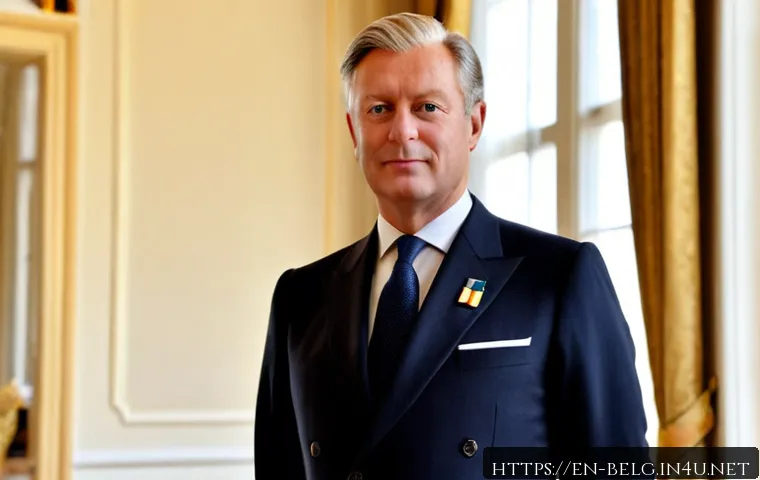
King Philippe has been King of the Belgians since 21 July 2013, when his father, King Albert II, abdicated. He is Belgium’s constitutional monarch, while elected institutions and the Prime Minister handle day-to-day government and party politics.
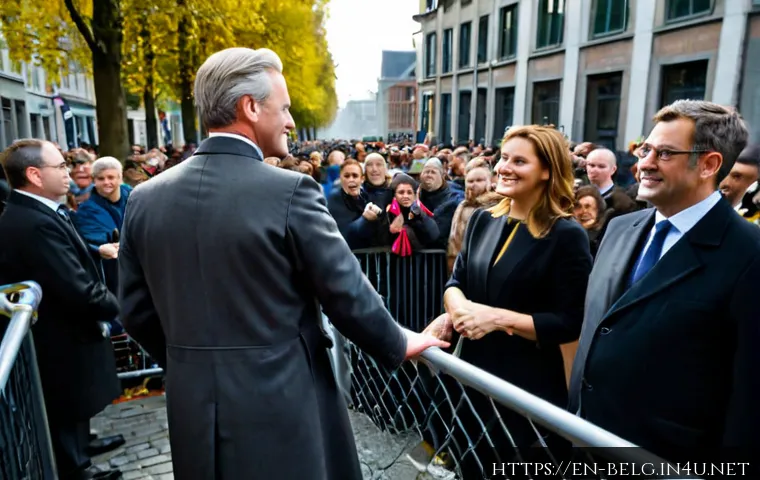
For visitors, the monarchy is a useful lens for understanding Belgium’s public ceremonies, federal system, and royal heritage in Brussels. A guided history tour, museum visit, or well-chosen book can add context without relying on celebrity-style summaries.
The key is to separate verified public duties from speculation about private life or political influence. Access to royal-related sites can change, so current visitor information matters before making travel bookings.
At a Glance
- King Philippe became King of the Belgians on 21 July 2013.
- Belgium is a constitutional monarchy and a federal parliamentary democracy.
- The King’s public role is distinct from everyday party politics and elected government.
| Institution or Role | Main Responsibility | Public Visibility | Why It Matters to Visitors |
|---|---|---|---|
| King Philippe | Constitutional and public duties within the Belgian framework | Official ceremonies, public engagements, and national occasions | Provides context for royal heritage and Belgian National Day |
| Prime Minister | Day-to-day political leadership of government | Government policy and political affairs | Helps explain why a royal ceremony is not the same as a political decision |
| Federal Parliament | Elected federal representation within Belgium’s democratic system | Public political debate and parliamentary work | Useful context for understanding Belgium as a federal parliamentary democracy |
The Short Answer: Who Is Belgium’s Current King?
King Philippe of Belgium is the country’s current monarch. He became King of the Belgians on 21 July 2013, following the abdication of his father, King Albert II. For readers researching Belgian public life, the most important point is simple: the Crown has a constitutional role, but it does not replace elected government.
Philippe’s Accession to the Throne in 2013
Philippe was born on 15 April 1960. Before becoming king, he held the title Duke of Brabant as heir apparent. His accession in 2013 is therefore a central date for modern Belgian royal history, as well as for visitors who want to understand the significance of 21 July.
Why the Title Is “King of the Belgians”
The official title is King of the Belgians. When reading royal-history books or joining a Brussels cultural tour, it is worth noticing this wording rather than casually substituting a different title. Accurate terminology is a small but useful sign that a guide or author is treating Belgian institutions carefully.
The Limits of a Constitutional Monarch’s Power
Belgium is a constitutional monarchy. The monarch’s role is governed by the Belgian Constitution and is separate from day-to-day party politics. Visitors should be cautious with summaries that present public ceremonies as proof that the King personally directs political decisions.
How Belgium’s Monarchy Works Alongside Elected Government
Belgium combines a monarchy with elected democratic institutions. This can seem unfamiliar to travelers from republics, but the distinction becomes clearer when the King, the Prime Minister, and the Federal Parliament are considered as different parts of the public system.
King Versus Prime Minister: Different Responsibilities
The King occupies a constitutional and public role. The Prime Minister is part of elected government and day-to-day politics. A royal appearance may be nationally important, but it should not be confused with routine political leadership or party decision-making.
Federal Institutions and the Constitutional Framework
Belgium is also a federal parliamentary democracy. That framework matters when choosing a Belgian monarchy museum visit, a history book, or a guided Brussels tour. The strongest options explain the monarchy in relation to the wider constitutional system instead of presenting the royal family as a separate celebrity story.
Why Political Neutrality Matters for the Crown
The Crown is distinct from party politics. For that reason, reliable royal-history material should avoid dramatic claims about private preferences, unpublished arrangements, or political influence beyond documented constitutional duties. If a tour commentary makes broad claims without context, treat it as interpretation rather than settled fact.
Family, Succession, and Public Duties
King Philippe is married to Queen Mathilde of Belgium. They have four children: Princess Elisabeth, Prince Gabriel, Prince Emmanuel, and Princess Eléonore. This family information is part of the public profile of the Belgian monarchy, but private schedules and family arrangements are not a dependable basis for travel planning.
Queen Mathilde and the Royal Household
Queen Mathilde is part of the royal couple’s public presence. When evaluating a royal heritage guide, look for a clear difference between publicly documented information and personal commentary. A respectful guide should focus on history, institutions, and public-facing roles.
Princess Elisabeth and the Line of Succession
Princess Elisabeth is one of the King and Queen’s four children. In a broader royal-history visit, succession is useful for understanding why the earlier title Duke of Brabant is relevant to Philippe’s life before he became king. Good museum interpretation or historical reading should explain these terms clearly rather than assuming prior knowledge.
Ceremonial, Diplomatic, and Community-Facing Engagements
The monarchy has a public-facing dimension through ceremonies and engagements. However, attendance by the King or other members of the royal family at a particular event cannot be assumed. If an itinerary depends on an official appearance, confirm the current event details through appropriate official information before paying for transport, tours, or accommodation.
Planning a Royal-History Visit in Brussels
Brussels can be approached as a place to learn about Belgium’s royal heritage, constitutional life, and public ceremonies. The best plan depends on whether you want a quick orientation, deeper historical research, or a flexible cultural itinerary.
Royal Landmarks, Museums, and Historic Districts
Royal-related landmarks, museums, and historic areas can provide useful context, but a royal connection does not mean a site is always open for public visits. Some locations may have limited access, changing schedules, or security restrictions. Build your itinerary around confirmed visitor options rather than assuming that a royal residence is available for entry.
How to Compare Guided Tours, Museum Tickets, and City Passes
A guided Brussels tour can be a practical choice if you want historical context and help navigating several central areas efficiently. A museum ticket may suit travelers who prefer to move at their own pace and read displays in detail. A city pass can be worth comparing only when its included museums and conditions match your actual plan.
Before selecting an option, check whether the description explains the Belgian monarchy within the constitutional system, states what is included, and identifies any access limits. For deeper study, choose a Belgian royal-history book that distinguishes documented history from speculation.
Opening Schedules, Security Rules, and Respectful Visitor Behavior
Opening dates, ticket prices, access rules, and security conditions may change. Confirm current details before booking. At public ceremonies, follow barriers, staff directions, and photography rules, and do not assume a viewing area guarantees a sighting of the King or other royal family members.
Common Misunderstandings About the Belgian Crown
Many misunderstandings come from mixing public visibility with political authority. A more accurate view recognizes the King’s constitutional place while also respecting the role of elected government.
Public Ceremonies Do Not Equal Political Decision-Making
A ceremony may have national meaning, especially around Belgian National Day on 21 July. It does not automatically indicate that the monarch is directing party politics or day-to-day government policy.
Royal Residences Are Not Automatically Open for Visits
Royal residences and royal-connected places should not be treated like standard tourist attractions. Access can depend on current arrangements, opening periods, and security requirements. Check the visitor conditions before committing to a tour or museum-focused travel plan.
Separating Verified Public Information From Speculation
Use care with claims about private schedules, personal views, family arrangements, or unannounced appearances. These areas require current verification and should not be inferred from older articles, social media posts, or celebrity-style coverage.
Selection Criteria and Comparison Summary
Choose a guided tour if you want clear context, efficient navigation, and an explanation of how royal heritage fits into Brussels history. Choose museums if you prefer exhibits and self-paced learning. Choose history books when you want deeper background on the Belgian monarchy, constitutional framework, and succession.
Before choosing, check these points: whether the content distinguishes the King from elected government; whether the itinerary lists confirmed sites; whether access restrictions are disclosed; whether museum or pass conditions fit your schedule; and whether a book or guide relies on documented public information. For current access conditions and booking details, review the relevant official visitor information and the full terms on the provider’s page.
In Closing
King Philippe is an important figure in Belgian public life, but understanding his role means understanding the constitutional limits around it. He has been King of the Belgians since 2013, alongside a federal parliamentary democracy and elected government. For a Brussels visit, the most rewarding approach is usually one that combines royal history with constitutional context. Verify access conditions before building a trip around any royal-related location or event.
Useful Things to Know
Belgian National Day: 21 July.
Accession date: King Philippe became king on 21 July 2013.
Family: King Philippe and Queen Mathilde have four children.
Travel planning: Current opening and security conditions should always be checked before booking.
Important Notes
This article covers documented general information about King Philippe and Belgium’s constitutional system. It does not confirm private schedules, personal opinions, attendance at specific events, current ticket prices, or access to royal residences. Those details can change and require up-to-date verification.
Frequently Asked Questions
Q1. What powers does King Philippe of Belgium have?
A1. King Philippe has a constitutional role governed by the Belgian Constitution. Belgium is a federal parliamentary democracy, and the monarch’s role is distinct from day-to-day party politics and elected government.
Q2. Is King Philippe’s residence open to visitors in Brussels?
A2. Do not assume that a royal residence is open to the public. Access rules, opening periods, and security restrictions can change, so confirm current visitor information before planning a visit.
Q3. What is the best way to learn about the Belgian monarchy during a Brussels trip?
A3. A guided royal-history tour is useful for context and efficient navigation, while museums and carefully selected history books can provide deeper research. Choose options that explain the monarchy alongside Belgium’s constitutional and elected institutions, and check current access terms before booking.