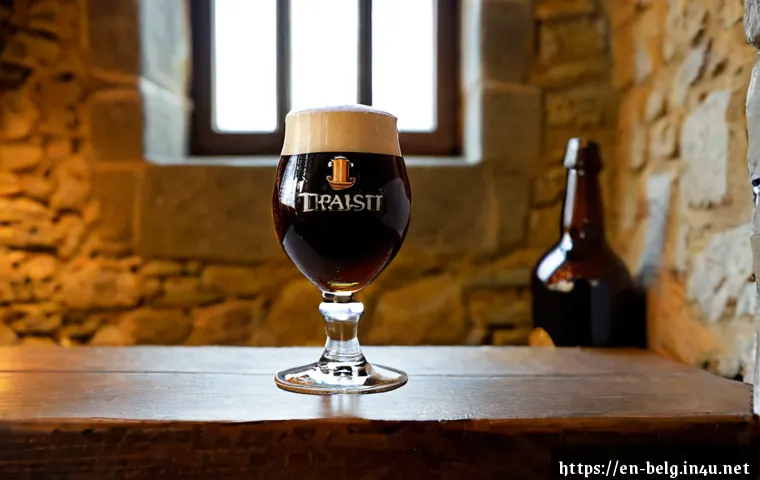
Authentic Trappist beer is defined by how and where it is made, not by one specific flavor or bottle design. A premium bottle is worth considering when you want a certified monastic product, a more deliberate tasting experience, or a gift with a clear production story.
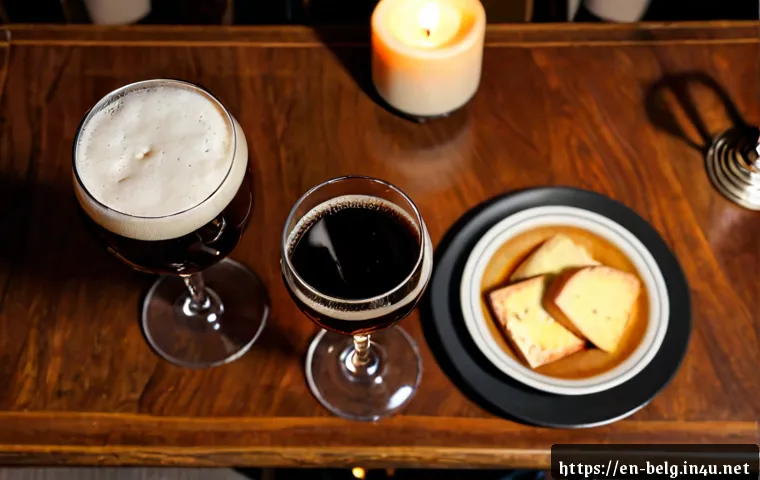
Trappist beers can range from blond and dubbel to tripel, strong dark, and sour or mixed-fermentation expressions. Many are stronger than standard lager, so style, bottle size, and serving plan matter before you buy.
Check the Authentic Trappist Product designation rather than relying on abbey imagery or the word “monastery.” Comparing local specialty-shop prices, formats, freshness information, and tasting options can help you spend more carefully.
At a Glance
- Trappist beer is an origin-and-production designation, not one beer style.
- Authentic qualifying beer is brewed within or near a Trappist monastery under the supervision of monks or nuns.
- Choose by flavor direction, strength, bottle format, and freshness information before paying extra for rarity or presentation.
| Beer Profile | Strength Consideration | Sweetness and Bitterness | Cellar Potential | Best Use | Value Consideration |
|---|---|---|---|---|---|
| Blond ale | Check the ABV carefully; monastery ales can be stronger than standard lager. | Review brewery or retailer tasting notes. | Do not assume every bottle benefits from aging. | First tasting or a lighter food occasion. | A single bottle can be a sensible introduction. |
| Dubbel or tripel | Often best approached as a slow, shared pour when strength is high. | Compare product notes if you prefer less bitterness or more depth. | Depends on the individual bottle and storage. | Guided tasting or food pairing. | A mixed tasting pack may reduce the risk of choosing one unsuitable bottle. |
| Strong dark ale | Pay close attention to ABV and bottle size. | Look for detailed retailer descriptions before buying. | Potential varies; storage condition matters. | Slow sipping, gifting, or rich meals. | A premium single bottle makes more sense when the recipient enjoys stronger beer. |
| Sour or mixed-fermentation beer | Strength can vary substantially. | Check whether the flavor direction suits your palate. | Not all bottles should be cellared. | Exploratory tasting. | A restaurant pour or tasting flight can be lower-commitment than a full bottle. |
What Makes a Monastery Ale Authentically Trappist?
Authentic Trappist Product is a designation administered by the International Trappist Association for qualifying monastic products. For beer, the key point is production: brewing must take place within or near a Trappist monastery and under the supervision of monks or nuns. Revenue is intended to support the monastic community and charitable or social causes rather than maximize private profit.
The Production and Supervision Standards Behind the Designation
The designation is about a specific relationship between the monastery, production, and purpose. It is not simply a reference to a historic recipe, a Belgian-looking label, or religious imagery. Current certification status and production arrangements can change, so check the product information or official guidance when authenticity is central to your purchase.
Why Trappist, Abbey-Style, and Belgian-Inspired Beers Are Not Interchangeable
An abbey-style or Belgian-inspired beer may be enjoyable, but it is not automatically a certified Trappist product. Bottle color, monastery-themed branding, and the word “abbey” do not confirm authenticity. If you are buying for a collector, a gift recipient, or a monastery-beer tasting, look specifically for the relevant designation instead of making assumptions from the packaging.
Three Quick Answers for First-Time Buyers
Is every Trappist beer dark? No. Trappist beer is not a single style and may include blond, dubbel, tripel, strong dark, or sour and mixed-fermentation options.
Is Belgian beer always Trappist? No. Belgium is strongly associated with Trappist brewing, but the designation has qualifying breweries outside Belgium as well.
Should you buy the rarest bottle first? Usually not. Start with the flavor profile and alcohol level you are comfortable with, then consider certification and rarity.
Compare Flavor Profiles, Strength, and Value Before Buying
The most useful comparison is not “best versus worst.” It is which bottle suits your palate, occasion, and budget. Trappist beer can include several beer styles, and alcohol by volume can vary substantially. Many familiar monastery ales are stronger than standard lager or session beer, so one bottle may be better shared than treated as a casual refreshment.
Dubbel, Tripel, Blond, Strong Dark, and Sour-Leaning Options
Use the style name as a starting point, then read the brewery description or specialty retailer notes. A blond option may appeal to someone seeking a less visually intense introduction, while dubbel, tripel, and strong dark selections can suit a more focused tasting. Sour or mixed-fermentation options are best chosen when that flavor direction is genuinely welcome rather than simply because the bottle is unusual.
For lower-bitterness preferences, do not guess from the label alone. Ask a specialty beer retailer which available bottle is closest to your preferred beer style, and mention whether you want a gentle introduction or a more complex tasting.
A Comparison Table for Sweetness, Bitterness, Alcohol, and Food Pairing
The table above is a planning tool rather than a guarantee of a particular bottle’s taste. Sweetness, bitterness, and food-pairing suitability can vary by brewery and release. For a cheese board, roast dish, or slow-sipping evening, compare the individual product notes and consider whether the bottle’s strength fits the occasion.
When a Premium Single Bottle, Mixed Pack, or Draft Pour Offers Better Value
A single premium bottle works well when you already know the style or want a thoughtful gift. A mixed tasting pack can be more practical when you are learning the differences between several monastery ale styles. A restaurant pour, draft pour, or tasting flight may be the better choice if you want to sample a stronger beer before committing to a full bottle.
Prices, bottle formats, availability, and permitted sales channels vary by country, state, retailer, release, and import conditions. Compare the locally displayed price with the bottle size and the experience you actually want, rather than assuming a higher-priced bottle will automatically taste better to you.
How to Buy, Store, and Serve It Without Wasting a Good Bottle
A careful purchase starts with a few visible checks. Look for the Authentic Trappist Product designation if certification matters to you, then review bottle size, package condition, and available freshness information. This small amount of comparison can prevent a high-ABV bottle from becoming an expensive mismatch.
Check Certification, Bottle Size, Packaging Condition, and Freshness Information
Read the label and retailer listing closely. Confirm the designation rather than relying on a monastery theme. Check the bottle for obvious packaging concerns, and compare any freshness or date information provided by the seller. Availability and release details can change, particularly with imported specialty beer, so a current specialty-shop listing is more useful than an old recommendation.
Serving Temperature, Glass Choice, and Careful Pouring for Bottle-Conditioned Beer
Some Trappist beers are bottle-conditioned, meaning the beer may develop differently over time. Pour carefully and follow the brewery’s serving guidance when available. A suitable beer glass can make a tasting feel more intentional, but it is not a requirement for enjoying the bottle. If you are building a tasting set, prioritize clean glassware, modest pours, and time to compare each beer.
Cellaring Mistakes: Heat, Light, Excessive Aging, and Unrealistic Expectations

Do not buy a bottle solely because someone says it will improve with age. Bottle-conditioned beers may change over time, but not every bottle will improve through cellaring. Aging potential depends on the beer, storage temperature, bottle condition, and personal preference. Heat, light, and excessive aging can work against the experience you hoped for.
Choose the Right Bottle for Your Occasion and Taste
The right Trappist beer is the one you are likely to enjoy and serve well. A famous name, decorative box, or limited-looking bottle can be appealing, but those features should come after taste preference and practical serving needs.
A Gentle Introduction for Lager Drinkers and Lower-Bitterness Preferences
If you usually drink lager or prefer lower bitterness, begin with a bottle described by the retailer as approachable for your preferences. A blond ale may be a useful category to explore, but confirm the alcohol level and flavor notes on the specific bottle. Buying one bottle or ordering a smaller tasting pour can be more sensible than starting with a large, strong format.
Rich Options for Cheese Boards, Roast Dishes, and Slow Sipping
For a meal or a relaxed tasting, dubbel, tripel, and strong dark options may be worth comparing. Match the beer to the pace of the occasion. A higher-strength bottle can be better for sharing, especially alongside cheese boards or roast dishes, than for casual solo drinking.
Gift Buying, Tasting Nights, and Brewery or Monastery Travel Considerations
For gifts, choose a certified product only when authenticity is important to the recipient. A mixed gift set can be more useful for a curious drinker, while a carefully selected single bottle can suit someone with an established preference. For beer-tour or monastery travel plans, check current visitor information, retail availability, and local sales conditions before building an itinerary around a particular beer.
Selection Criteria and Comparison Summary
Buy based on flavor profile first, authenticity second, and rarity last. Before choosing, compare local specialty-shop pricing, bottle formats, and freshness dates. Check whether the beer carries the Authentic Trappist Product designation, confirm the ABV, consider whether you will share it, and decide whether a single bottle, tasting flight, or mixed pack gives you the better introduction. For a gift, verify the current product details and packaging condition on the retailer or official product page before purchasing.
A Practical Specialty-Retailer Checklist
Ask or check: Is the product currently certified? What is the bottle size? What is the ABV? Is there freshness information? Is this bottle intended for immediate enjoyment or possible cellaring? Does the retailer offer a mixed tasting set, appropriate glassware, or a smaller pour that better matches your plan?
When to Choose One Bottle, a Tasting Flight, or a Mixed Gift Set
Choose one bottle when you know the style or want a focused food pairing. Choose a tasting flight when you want to compare styles with less commitment. Choose a mixed gift set when variety matters more than collecting a single rare-looking bottle.
Closing Thoughts
Trappist beer rewards a little attention before purchase. The designation tells you about monastic production and supervision, while the style and strength help determine whether the beer will suit your taste. A well-chosen single bottle can be excellent value, but a tasting flight or mixed pack may be the smarter first step. Check current retailer details, serve thoughtfully, and avoid treating age or rarity as automatic proof of quality.
Useful Things to Know
1. Trappist beer is not limited to one country or one style.
2. Many well-known monastery ales are stronger than standard lager or session beer.
3. Bottle conditioning does not guarantee that long-term storage will improve a beer.
4. Abbey-themed packaging alone does not prove Trappist certification.
Important Notes
Retail prices, stock, bottle formats, import conditions, and sales rules vary by location and retailer. Certification status, brewery arrangements, and beer lineups may also change. Confirm current product information directly with a specialty retailer, brewery, or official Trappist guidance before making a purchase based on authenticity, aging potential, or travel plans.
Frequently Asked Questions
Q1. Is Trappist beer always brewed by monks?
A1. To qualify as Trappist beer, brewing must take place within or near a Trappist monastery under the supervision of monks or nuns. The key requirement is monastic supervision and the qualifying production setting, not the assumption that every brewing task is performed only by monks.
Q2. Why can authentic Trappist beer cost more than other Belgian-style beer?
A2. Prices can vary because of bottle format, retailer, release, availability, and import conditions. An authentic Trappist product also follows a specific monastic production and supervision framework, with revenue intended to support the monastic community and charitable or social causes rather than maximize private profit. Compare local specialty-shop pricing, bottle formats, and freshness dates before choosing.
Q3. Is Trappist beer suitable for beginners, and which style is usually easiest to start with?
A3. It can be suitable for beginners, but check the ABV because many monastery ales are stronger than standard lager. A blond option may be a reasonable starting category for someone seeking a lighter-looking introduction, while a tasting flight or mixed pack can help you explore without committing to one strong bottle. Always use the specific brewery or retailer notes to match sweetness, bitterness, and strength to your preferences.