Belgium’s historic festivals range from Carnival of Binche to Brussels’ Ommegang and regional giant processions. Compare timing, atmosphere, booking needs, costs, and practical etiquette before planning your visit.
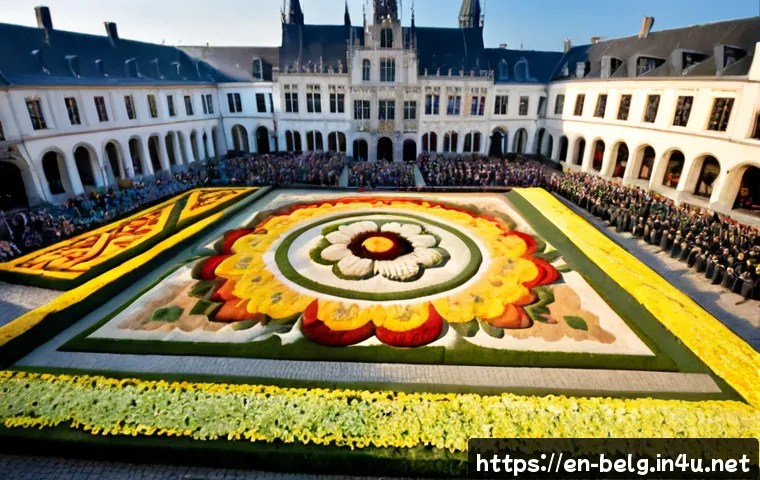
For a first trip, Brussels’ Ommegang is often the simplest choice because it combines a historic spectacle with city-based transport, hotels, and sightseeing.
Choose Binche for a more immersive carnival tradition, or a regional giant procession if you prefer a slower, locally focused cultural experience. The right event depends less on which festival sounds biggest and more on your tolerance for crowds, your need for English-language support, and how much planning you want to do.
Major event periods can increase demand for central accommodation and rail travel, so festival dates should shape your Belgium itinerary early. A guided cultural tour, reserved viewing option, or overnight stay can be useful when it solves a real logistics problem rather than simply adding extras.
Always confirm the current schedule, access rules, and transport arrangements before booking.
At a Glance
- Choose Brussels Ommegang for a historic pageant with practical city-break logistics.
- Choose Carnival of Binche for intense local tradition, distinctive Gilles costumes, and Shrove Tuesday celebrations.
- Choose regional giant processions for heritage-focused travel beyond the major cities.
| Festival Type | Location | Atmosphere | Crowd and Booking Pressure | Transport Convenience | Paid Experience Value |
|---|---|---|---|---|---|
| Carnival of Binche | Binche, Wallonia | Immersive, traditional, highly local | Potentially high for local accommodation and rail seats | Requires more deliberate day-trip or overnight planning | Useful when it improves orientation or viewing logistics |
| Ommegang | Brussels | Historic pageant and city spectacle | Central hotels may be in demand | Strong fit for a Brussels-based itinerary | Consider reserved viewing if you value structure and comfort |
| Giant Processions and Ducasses | Regional towns, including Ath | Slower-paced heritage and community tradition | Varies by town and event | Check local rail and timetable details carefully | A guided tour can help where local information is limited |
Which Belgian Celebration Fits Your Travel Style?
Quick Answer for First-Time Visitors, Culture-Focused Travelers, and Short City Breaks
First-time visitors usually find Brussels Ommegang easier to add to a short Belgium itinerary. Brussels offers a natural base for hotels, restaurants, museums, and rail connections, while the pageant provides a clear cultural centerpiece. It can work well if you want festival atmosphere without moving between several towns.
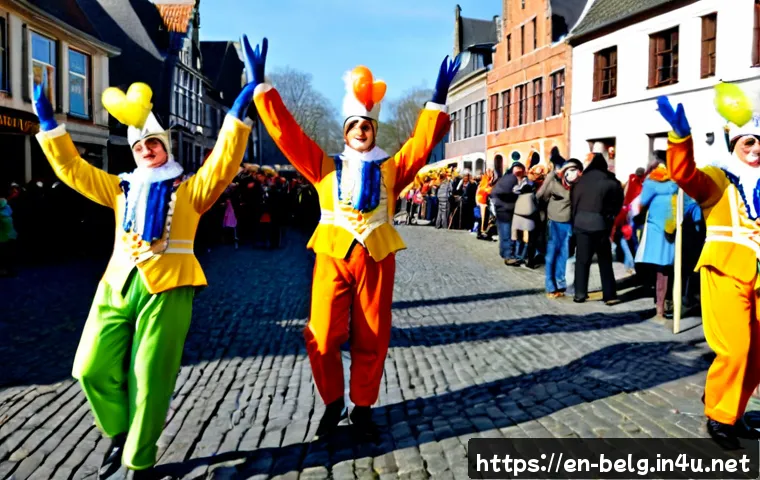
Culture-focused travelers may prefer Carnival of Binche. Its central events take place around Shrove Tuesday, and the Gilles of Binche are known for their distinctive costumes, wax masks, and wooden clogs. This is not simply a parade to watch from a distance; it is a local tradition with its own rhythm and etiquette.
Travelers with extra time should consider regional events such as the Ducasse of Ath, known for giant figures and procession traditions. Belgium and France’s processional giants and dragons are recognized on UNESCO’s intangible cultural heritage list. These events can be especially rewarding when your goal is local cultural depth rather than a packed city schedule.
Why Dates and Local Customs Matter as Much as the Headline Event
A festival name alone is not enough for planning. Exact annual dates, parade routes, ticket arrangements, and access rules can change. One year’s travel post may describe a viewing area, train pattern, or timetable that does not apply to your visit.
Start with the official event information, then compare it with your hotel options and rail timetable. If you are traveling during a major event, look for flexible cancellation policies before committing to accommodation. This gives you more room to adjust if schedules, weather plans, or crowd-management measures change.
Compare Belgium’s Major Heritage Events Before You Book
Carnival in Binche: Immersive Tradition and High Local Character
Carnival of Binche takes place in Binche in Wallonia, with central events around Shrove Tuesday. The Gilles are at the heart of its traditions. Visitors will see their recognizable dress, including wax masks and wooden clogs, and may witness the customary throwing of oranges toward crowds. Catching or keeping an orange is commonly regarded as good luck.
Binche is best for travelers who want ritual, atmosphere, and local character. It is also a good fit if you are willing to plan around a fixed festival period rather than treating the event as a casual stop. Because the town is smaller than Brussels, accommodation and train availability deserve early attention.
Be careful not to treat the orange throwing as a souvenir hunt that overrides common sense. Stay aware of the procession, follow instructions from organizers, and give participants room. Respectful observation matters more than getting the closest possible photo.
Brussels Ommegang: Historic Spectacle with Easier City-Trip Logistics
Ommegang is a historical pageant in Brussels that recreates a ceremonial entry associated with sixteenth-century Brussels. For travelers balancing culture with practical city sightseeing, it offers a straightforward combination: a major event in a capital city, plus museums, dining, and accommodation choices nearby.
This is often the strongest option for a Brussels weekend itinerary. You can build your trip around the pageant while leaving time for other parts of the city. It may also be more comfortable for visitors who prefer a clearer event structure over the more spontaneous feel of a local carnival.
That convenience does not remove the need to plan. Central hotels can face higher demand during festival periods, and train seats may also be sought after. If a reserved viewing option is available, compare what it actually includes: a defined place to watch, accessibility support, or a guide may be worthwhile; a vague package may not be.
Giant Processions and Regional Ducasses: Smaller-Scale Cultural Depth
The Ducasse of Ath is associated with giant figures and procession traditions. Regional events can offer a different kind of Belgium travel experience: less focused on a capital-city program and more connected to the identity of a particular town.
Choose this category when you value local pace over convenience. It can be a good reason to stay overnight rather than rushing in and out on the same day. A longer stay may reduce the stress of late transport, help with restaurant planning, and leave time to explore without treating the procession as a single rushed appointment.
English-language guidance and accessible viewing areas are not guaranteed at every local event. If those details matter to your group, check them before purchasing a rail pass, booking a hotel, or choosing a guided cultural tour.
Budget, Transport, and Booking Pressure
When Central Accommodation Costs More During Festival Periods
Major cultural festivals can create high demand for central hotels in Brussels and in smaller heritage towns. Instead of assuming that the nearest hotel is the best value, compare three practical options: central accommodation, a nearby rail-connected base, and an overnight stay in the event town.
A central location can be worth more when it reduces late-night transport concerns or makes an early event start easier. On the other hand, a rail-connected hotel may suit travelers who are comfortable checking train timetables closely. Look at the full trip picture, not only the nightly room rate.
Rail Planning, Day Trips, and the Value of Staying Overnight
Rail travel can make Belgian festival planning feel simple, but event days are different from ordinary sightseeing days. Demand for train seats can rise, and public-transport timetables should not be assumed in advance. Confirm the current timetable for both directions, especially if your return depends on a late departure.
A day trip is sensible when your schedule is clear and transport remains convenient. An overnight stay can be the better choice when you want to arrive early, avoid a rushed departure, or experience the town outside the busiest part of the procession. Before buying a rail pass or individual tickets, compare the routes you genuinely expect to use.
When Guided Tours or Reserved Viewing May Be Worth the Extra Cost
A paid guided tour is most useful when it answers a real need: local context, easier navigation, or support in a place where English information is limited. Reserved viewing may be useful for travelers who dislike standing in dense crowds, need a more predictable place to watch, or want to organize a family day with fewer unknowns.
Do not assume every paid option is necessary. If you are comfortable independently checking official schedules and moving through crowds, free public viewing may be enough. Compare the organizer, what is included, cancellation terms, meeting point, and accessibility details before choosing a festival tour or reserved seating.
Practical Etiquette and Common Visitor Mistakes
Photography, Personal Space, and Respecting Ceremonial Participants
Belgian heritage festivals are living traditions, not staged photo sessions. Keep a respectful distance from participants, avoid blocking the route, and do not step into active procession space for a better image. If families and local spectators are gathered along a route, make room rather than pushing forward.
Good festival photography means observing first and photographing second. A wide view of costumes, music, crowds, or giant figures can often tell the story better than intrusive close-ups. Follow any photography instructions announced by organizers or staff.
Avoiding Last-Minute Transport and Restaurant Planning Problems
Restaurants, hotels, and trains can all be under pressure during major events. Do not wait until the end of the procession to decide how you will leave, where you will eat, or whether you need to collect luggage. A simple plan for arrival, food, and return travel can make the festival much more enjoyable.
For travelers who prefer less uncertainty, an overnight hotel reservation and a planned rail route may offer more value than trying to save money through last-minute decisions. Check conditions and cancellation policies before booking.
Checking Official Schedules Rather Than Relying on Old Travel Posts
Festival schedules can change from year to year. Parade routes, ticket requirements, public-transport arrangements, weather responses, and crowd-control measures should all be confirmed through current official information. Old articles can be useful for atmosphere and background, but they are not a substitute for present-day details.
Choose by Season, Crowd Level, and Travel Group
Best Options for a Brussels Weekend Itinerary
For a short break, Ommegang is the most natural match. Its Brussels setting supports a compact plan that combines the pageant with museums, meals, and central accommodation. It is particularly practical if you prefer not to depend on a late return train from a smaller town.
Better Choices for Travelers Seeking Local Traditions Beyond Major Cities
Binche and regional ducasses are stronger choices when the festival itself is the purpose of the trip. Binche offers the energy of carnival tradition, while Ath and other regional processions can offer a more town-centered experience. In both cases, plan transport and lodging before finalizing the rest of your itinerary.
Considerations for Families, Mobility Needs, and Travelers Who Dislike Dense Crowds
Families and travelers who prefer predictability should look for current information on accessible viewing, route access, toilets, seating, and crowd-management measures. These services vary by event. A reserved viewing option or guided arrangement may be useful if it clearly addresses a mobility, comfort, or navigation need.
If dense crowds are not enjoyable for you, avoid assuming that a festival can be experienced comfortably at the last minute. Arrive with time to find an appropriate viewing spot, keep a flexible departure plan, and choose accommodation that does not turn the return journey into the hardest part of the day.
Selection Criteria and Comparison Summary
Choose Binche if you want ritual, carnival intensity, and the distinctive traditions of the Gilles. Choose Brussels Ommegang if you want historical spectacle alongside convenient hotels, rail connections, museums, and structured city sightseeing. Choose regional giant processions if you prefer a slower, locally focused experience and can allow more time for planning.
Before booking, check: current dates, route or viewing access, hotel cancellation terms, rail schedules, accessibility needs, and whether a guided tour or reserved viewing option solves a practical problem. For official schedules and detailed booking conditions, check the relevant event and transport pages before you commit.
In Closing
Belgium’s traditional festivals reward travelers who plan around the character of the event rather than trying to see everything at once. Brussels offers the easiest city-based route into historic pageantry. Binche and regional processions offer deeper local atmosphere, but they may require more careful transport and accommodation decisions. Confirm current details, leave room in your schedule, and treat local customs with respect.
Useful Things to Know
1. Carnival of Binche centers on events around Shrove Tuesday.
2. The Gilles of Binche traditionally throw oranges to spectators, and keeping one is commonly seen as good luck.
3. Ommegang recreates a ceremonial entry connected with sixteenth-century Brussels.
4. The Ducasse of Ath is known for its giant figures and procession traditions.
5. Festival-day transport, weather measures, and access arrangements require current confirmation.
Important Notes
Exact dates, parade routes, admission arrangements, prices, public-transport schedules, and accessibility provisions can change. Not all local events provide the same level of English-language information or reserved viewing. Confirm details directly with current official event, accommodation, rail, and tour information before making non-flexible travel bookings.
Frequently Asked Questions
Q1. Which Belgian festival is best for a first-time visitor?
A1. Brussels Ommegang is often the easiest starting point because it combines a historic pageant with practical Brussels sightseeing, accommodation, and transport options. Binche may be a better fit if your priority is a more immersive carnival tradition.
Q2. Do I need to book hotels and train tickets early for major festivals in Belgium?
A2. It is wise to plan early because major cultural festivals can increase demand for central hotels and train seats, especially in Brussels and smaller heritage towns. Check current schedules and booking terms before deciding how far ahead to commit.
Q3. Are guided tours or reserved viewing options worth paying for during Belgian cultural events?
A3. They can be worthwhile when they provide clear value, such as local context, easier navigation, predictable viewing, or support for mobility and comfort needs. If you can independently manage the schedule and crowds, public viewing may be sufficient.