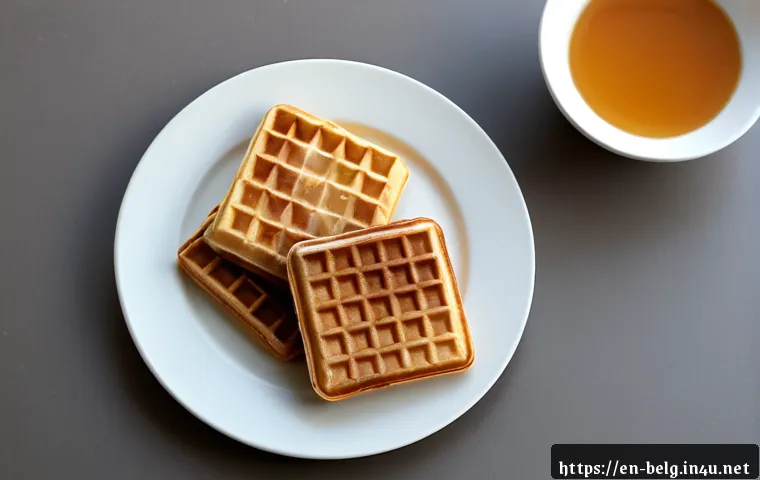
Brussels waffles are light, rectangular, and made for generous toppings, while Liège waffles are denser, richer, and known for caramelized pearl sugar.
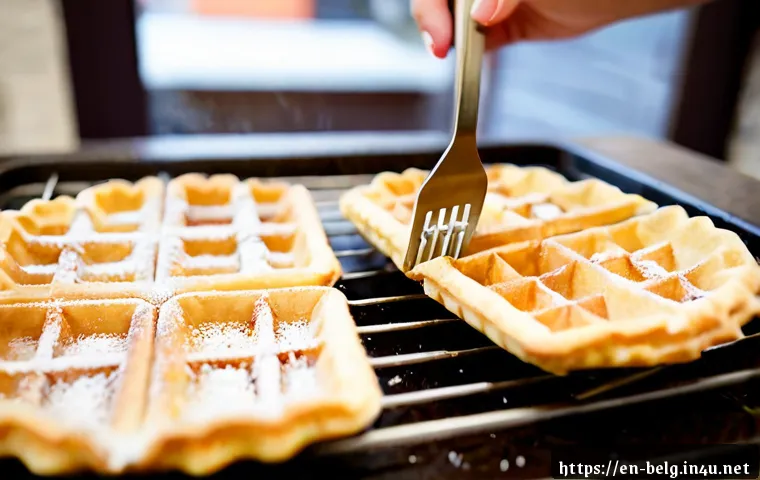
Belgian galettes are the thin, crisp option when you want something closer to a patterned cookie or snack waffle. The best choice depends on whether you want a plated brunch, a warm handheld treat, or a crunchy accompaniment to coffee.
Before choosing a waffle maker or ordering from a café menu, look at plate depth, heat control, and whether the menu names the waffle style. A deep-grid “Belgian waffle” is not automatically a Liège waffle.
Specialty ingredients can matter, but the equipment should match the texture you actually want.
At a Glance
- Brussels waffles are light, rectangular, yeast-leavened, and especially good with fruit, cream, chocolate sauce, or powdered sugar.
- Liège waffles are denser, richer, and often contain pearl sugar that caramelizes on the hot waffle iron.
- Belgian galettes are generally thinner and crisper, often made in patterned waffle irons for a snack-style result.
| Waffle style | Texture and shape | Best toppings or serving | Key ingredient need | Waffle maker consideration |
|---|---|---|---|---|
| Brussels | Light, rectangular, airy-feeling | Fruit, whipped cream, chocolate sauce, powdered sugar | Yeast-leavened batter | Deeper grid plates can support a topping-friendly waffle |
| Liège | Dense, rich, irregularly shaped | Often enjoyable plain or warm as a handheld snack | Pearl sugar for caramelized pieces | Plate shape, heat control, and easy cleaning deserve attention |
| Belgian galette | Thin, crisp, often patterned | Snack waffle or cookie-like treat | Recipe and iron style may vary | Look for a patterned iron suited to thinner waffles |
The Quick Answer: Three Belgian Waffle Styles and Their Best Uses
Belgian waffles are not one single product. If your priority is a light waffle that can hold a generous layer of toppings, choose a Brussels waffle. If you want a rich, warm waffle with caramelized sugar and less need for sauces or cream, choose a Liège waffle. If your preference is thin and crunchy rather than soft and substantial, look for a Belgian galette.
Brussels waffles for light, topping-friendly brunches
Brussels waffles are typically rectangular and made from a yeast-leavened batter. Their lighter texture makes them a practical choice for a brunch plate, especially when fruit, whipped cream, chocolate sauce, or powdered sugar is part of the plan. Wet toppings can soften the surface, so serve them soon after cooking when crispness matters.
Liège waffles for rich, caramelized handheld treats
Liège waffles are usually denser, richer, and more irregularly shaped than Brussels waffles. Pearl sugar is a defining ingredient in many Liège waffle recipes because it caramelizes against the hot iron. This style can work well as a warm handheld snack because its flavor is often strong enough to enjoy without extra toppings.
Belgian galettes for thin, crisp cookies or snack-style waffles
Belgian galettes are generally thinner and crisper than Brussels or Liège waffles. They may be prepared in patterned irons, which can make them appealing when you want a crisp, decorative waffle rather than a deep-pocketed brunch item. Names and exact recipes can vary by region, bakery, and household, so menu descriptions may not always tell the full story.
Brussels and Liège Compared: Texture, Ingredients, Shape, and Serving Style
The clearest difference is not simply whether a waffle has deep squares. It is the combination of batter or dough, texture, sugar, shape, and serving style. A café may use “Belgian waffle” as a broad menu term, so asking whether it is Brussels or Liège can prevent an unexpected order.
Batter and dough: why the finished waffles feel so different
Brussels waffles are associated with a yeast-leavened batter and a lighter finished texture. Liège waffles are associated with a denser, richer result and pearl sugar. That difference affects how each waffle feels before toppings are added. For home cooking, the waffle iron’s depth, plate shape, and heat control can move the result closer to one style or another, but a deep grid alone does not create a traditional Liège-style waffle.
Toppings, sweetness, and when plain serving works best
A Brussels waffle is a useful base for a brunch bar because it pairs naturally with fruit and sauces. A Liège waffle has a more self-contained flavor profile, particularly when pearl sugar has caramelized, so it is often a better choice for eating plain. For either style, add wet toppings near serving time if you want to preserve more surface crispness.
Comparison table: which style suits your meal or craving?
Choose based on the occasion rather than the label alone. A sit-down dessert can benefit from the contrast of a light Brussels waffle and toppings. A walk-around snack often suits a Liège waffle. A thin galette fits a crisp, coffee-friendly moment where a large plated dessert is not the goal.
Choosing a Waffle Maker and Ingredients for Each Style
A good waffle maker choice starts with the style you plan to make most often. Plate depth, plate shape, temperature control, and cleaning design are more useful decision points than a broad “Belgian” label on the box.
Plate depth, heat control, and release coating considerations
For Brussels-style waffles, deeper plates may be appealing because they create a substantial waffle that can carry fruit, cream, or sauce. For Liège-style cooking, evaluate how the plates handle a richer dough and caramelizing sugar. Heat control can affect browning, while a practical release surface and accessible plate design can make cleanup easier after sugar contacts the iron.
When pearl sugar, yeast, and specialty flour are worth buying
If your goal is specifically a Liège-style waffle, pearl sugar is worth considering because it is central to the caramelized character of many recipes. Yeast is relevant when pursuing a Brussels-style yeast-leavened batter. Specialty flour may be part of some recipes, but check the recipe requirements before purchasing ingredients that may only be used once.
Buying checklist for occasional home use versus frequent brunch cooking
For occasional use, prioritize storage convenience and easy cleanup. For frequent brunch cooking, compare plate capacity, consistent heat control, and whether the waffle shape suits the toppings you serve most. Check the manufacturer’s specifications rather than assuming that “authentic” or “Belgian-style” describes a particular plate depth or cooking performance.
Common Mistakes When Making or Ordering Belgian Waffles
Most disappointments come from matching the wrong waffle style to the occasion. A small comparison before ordering or buying equipment can save you from ending up with a topping-heavy waffle when you wanted a caramelized snack, or the reverse.
Confusing a deep-grid waffle with an authentic Liège result
Deep pockets may suggest a Belgian waffle, but they do not automatically produce a Liège waffle. Liège texture depends on its richer, denser character and the presence of pearl sugar in many recipes. If Liège is your target, compare waffle maker plate shape and heat control instead of choosing only by grid depth.
Adding wet toppings too early and losing crispness
Fruit, whipped cream, and chocolate sauce can be excellent on Brussels waffles, but they can soften a crisp surface when added too early. Prepare toppings first, cook the waffles close to serving time, and assemble just before eating when texture is important.
Overfilling the iron with pearl-sugar dough
Liège-style dough can behave differently from a lighter Brussels batter. Overfilling can create unnecessary overflow and make cleanup more difficult, especially when sugar caramelizes. Follow the guidance supplied with your waffle maker and adjust cautiously for the size and shape of its plates.
Which Belgian Waffle Fits Your Situation?
The right order is usually easier to identify when you begin with how and where you will eat it. Think about toppings, portability, cleanup, and whether the waffle is the main dessert or one part of a larger meal.
Best choice for a sit-down café dessert
A Brussels waffle is a strong fit for a sit-down café dessert when you want fruit, whipped cream, chocolate sauce, or powdered sugar. Its lighter texture leaves room for toppings to play a visible role. Since cafés may use broad menu language, ask which Belgian waffle style is being served if the description is unclear.
Best choice for a portable snack or gift-style treat
A Liège waffle is often the more practical handheld option because it is dense, rich, and commonly satisfying without a pile of toppings. Its caramelized pearl sugar character can make it feel complete when served warm and plain. Packaging, freshness, and exact product naming vary by seller, so check those details directly.
Best choice for a brunch bar with fruit and sauces
A Brussels waffle is generally the better brunch-bar choice. Its rectangular form and topping-friendly texture work naturally with fruit and sauces. Keep toppings separate until serving so guests can choose their own combination without making every waffle soft before it reaches the table.
Selection Criteria and Comparison Summary
Choose Brussels waffles when light texture and toppings are the priority. Choose Liège waffles when buttery richness and caramelized pearl sugar matter most. Choose galettes when you want a thin, crisp waffle experience. Before buying, compare plate depth, temperature control, plate shape, storage needs, and cleaning design. For specialty ingredients or a premium waffle maker, review the manufacturer’s details and product specifications on the relevant page before deciding.
In Closing
Brussels, Liège, and galette-style waffles serve different purposes, even when a menu groups them all under “Belgian waffles.” Brussels works best for a topping-centered plate, Liège suits a rich handheld treat, and galettes offer a thinner, crisp alternative. Choosing the style first makes it much easier to select the right ingredients, café order, or waffle iron.
Useful Things to Know
1. “Belgian waffle” on a menu may not identify the traditional style.
2. Pearl sugar is a defining feature in many Liège waffle recipes because it caramelizes on the iron.
3. Plate depth can influence the result, but it is only one part of waffle style.
4. Toppings are usually most compatible with Brussels waffles.
5. Galettes are typically thinner and crisper than Brussels or Liège waffles.
Important Notes
Exact recipes, serving customs, and waffle names can vary by Belgian region, bakery, and household. Product descriptions for waffle makers and specialty ingredients should be checked against the manufacturer’s specifications. Prices, availability, and café offerings vary by location and seller.
Frequently Asked Questions
Q1. What is the main difference between Brussels and Liège waffles?
A1. Brussels waffles are typically rectangular, light in texture, and made from a yeast-leavened batter. Liège waffles are usually denser, richer, more irregularly shaped, and often include pearl sugar that caramelizes during cooking.
Q2. Which Belgian waffle is best for a waffle maker at home?
A2. It depends on your goal. A deeper-grid waffle maker may suit topping-friendly Brussels waffles, while Liège-style cooking calls for attention to plate shape, heat control, and cleanup around caramelized sugar. Compare the maker’s specifications before buying.
Q3. Are Liège waffles worth buying pearl sugar for?
A3. If you want the caramelized character associated with many Liège waffle recipes, pearl sugar is a meaningful ingredient to consider. If you mainly want a light waffle with fruit or cream, a Brussels-style approach may better match your plans.