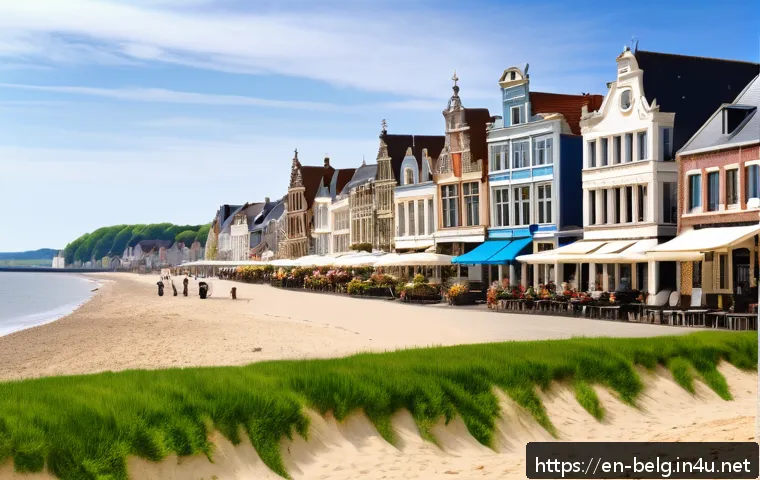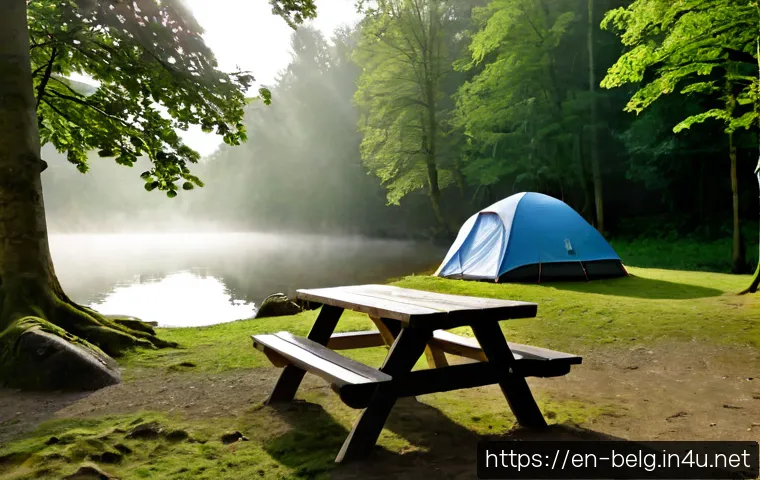
The Ardennes is the best choice for forest scenery, hiking, cycling, and outdoor-focused camping; Limburg suits travellers who want marked routes near Hoge Kempen National Park; Belgium’s North Sea coast is better for beach access and holiday-park facilities.
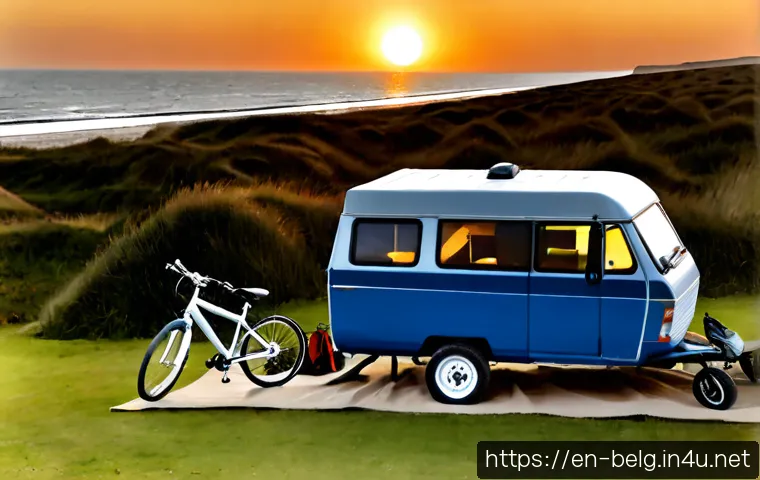
Families often get the most convenience from coastal or holiday-park-style sites, while road trippers and hikers may prefer a quieter forest pitch with practical access to trails.
Belgium is compact, but campsite experiences vary widely by region, language area, and local rules. Compare facilities, transport, and site policies before booking rather than choosing on the nightly rate alone.
Authorised campsites or designated overnight areas are the safer choice because wild camping is generally restricted.
At a Glance
- Choose the Ardennes for forests, river valleys, hiking, cycling, and a more outdoor-focused stay.
- Choose Limburg for marked walking and cycling routes around Hoge Kempen National Park.
- Choose the Belgian coast for beach access, seaside towns, and holiday-park-style camping.
| Camping option | Best for | Typical facilities to compare | Value consideration |
|---|---|---|---|
| Ardennes forest campsite | Hikers, cyclists, couples, road trippers | Sanitary blocks, pitch access, electric hook-up, nearby shops | A basic pitch can suit travellers who value nature and bring their own equipment. |
| Limburg trail-base campsite | Walking and cycling breaks | Route access, bike storage, transport links, late-arrival policy | Convenience matters if you want to start routes without driving each day. |
| North Sea coastal park | Families, beach holidays, groups | Child facilities, sanitary blocks, parking, beach access | More facilities may justify a higher overall holiday budget. |
| Camper-van stopover | Flexible road trips and short stays | Vehicle access, hook-up, waste disposal, overnight permission | Confirm the site accepts camper vans and check all vehicle-specific rules. |
The Best Belgian Camping Region for Your Trip
Quick answer: Ardennes for outdoor escapes, Limburg for trails, and the coast for beach holidays
The Ardennes, in southern Belgium, is the natural starting point for travellers looking for forests, river valleys, hiking, cycling, and a quieter outdoor atmosphere. It is a strong fit for tent campers, couples, and road trippers who do not need resort-style facilities.
Limburg is especially appealing when walking and cycling are the main purpose of the trip. Hoge Kempen National Park is known for marked routes, so a campsite with easy route access can be more useful than one that simply looks remote on a map.
The Belgian North Sea coast works well for visitors who want beaches, seaside towns, and a more organised holiday-park experience. This is often the practical option for families, although popular coastal and family-oriented sites can have limited availability during summer weekends and school holidays.
A fast comparison of scenery, facilities, transport, and trip style
Do not treat Belgium as one uniform camping destination. Flanders is Dutch-speaking, Wallonia is French-speaking, and Brussels-Capital Region is bilingual. Campsite communication and local signage can therefore vary by region. If clear communication matters to you, review the campsite information carefully before paying a deposit.
A remote-looking forest pitch may be ideal for a self-sufficient driver, but less convenient for travellers relying on public transport or needing regular access to shops. Coastal holiday parks may offer more on-site convenience, while a smaller nature campsite can provide a simpler base for outdoor activities. The better choice depends on how much time you want to spend driving, cooking, carrying gear, or entertaining children.
Choose Between Forest Pitches, Coastal Parks, and Camper-Van Stops
What to expect from a basic tent pitch
A basic tent pitch is usually the sensible choice when your priority is location and outdoor time, not extensive on-site entertainment. Before booking, check the size and surface of the pitch, access for your vehicle, sanitary block arrangements, electric hook-up availability, and whether awnings are accepted.
It is also worth checking how far the campsite is from a food shop, trailhead, cycle route, or public transport stop. A cheaper pitch can become less convenient if every meal, activity, or supply run requires a long drive.
When holiday parks and glamping stays offer better value
Holiday parks can be a better fit when your group needs more built-in convenience. Families may prefer child facilities, easier access to services, and accommodation that reduces the amount of camping equipment they need to bring. A cabin or glamping tent can also simplify a short break when transporting a tent, sleeping equipment, and cooking gear is impractical.
That does not automatically make an upgraded stay better value. Compare what is included, the site rules, parking arrangements, cleaning expectations where applicable, and cancellation terms. For a camper-van trip, compare a dedicated pitch with hook-up and waste facilities against the cost and limitations of alternative overnight options.
Electric hook-up, sanitary facilities, and family amenities to compare
Use a consistent checklist when comparing camping accommodation:
- Electric hook-up: confirm whether it is offered and whether your pitch type is eligible.
- Sanitary blocks: check availability and location rather than assuming every pitch is equally close.
- Pitch size and access: important for larger tents, awnings, cars, and camper vans.
- Child facilities: useful for families who want activities beyond the beach or nearby attractions.
- Pet rules: confirm whether pets are accepted and what conditions apply.
- Waste disposal: particularly important for camper-van travel.
Plan Your Stay: Booking, Budget, and Site Rules
What affects the total cost in euros
Belgium uses the euro (EUR), but the total cost of a camping holiday is not just the listed nightly rate. Your comparison should include the accommodation type, number of people, vehicle needs, electric hook-up, equipment, local transport, food access, and the flexibility of the cancellation terms.
For a road trip, also consider whether a camper-van rental is necessary or whether a standard car and tent make more sense for your itinerary. If you are hiring a vehicle, compare its camping suitability, parking requirements, and insurance cover before relying on it for overnight travel.
Booking timing for weekends, school breaks, and summer travel
Popular coastal and family-focused campsites can have limited availability on summer weekends and school holiday periods. Booking earlier gives you more choice over pitch type, location within the site, and family or camper-van facilities. This matters if you need a specific arrival day, pet-friendly space, electric hook-up, or a larger pitch.
For a flexible trip, compare availability across more than one region. An Ardennes or Limburg stay may better suit a hiking or cycling itinerary if coastal options do not match your dates or preferred campsite type.
Check fire rules, pet policies, arrival times, and cancellation terms
Rules for tents, camper vans, barbecues, pets, fires, arrival times, and waste disposal vary by campsite and municipality. Never assume that a barbecue, campfire, late arrival, or extra vehicle is allowed. These details can affect both comfort and whether the site is suitable for your travel plan.
Check before booking: arrival procedures, quiet-hour expectations, fire restrictions, pet conditions, vehicle access, and cancellation wording. If you expect to arrive late, confirm the campsite’s process directly instead of assuming reception will be open.
Avoid Common Camping Mistakes in Belgium
Why authorised overnight locations matter

Belgium is not a destination where travellers should casually assume an overnight spot is acceptable. Authorised campsites and designated overnight areas are the sensible starting point because they provide clearer rules and facilities appropriate to the type of stay.
Do not assume wild camping or roadside overnight parking is permitted
Wild camping is generally restricted in Belgium. The legal status of staying overnight in a particular public car park, roadside location, or other informal spot can vary and should be confirmed locally. A scenic location is not evidence that camping or camper-van parking is permitted there.
For camper-van travellers, check the exact overnight policy, vehicle restrictions, waste disposal arrangements, and arrival requirements before driving to a location. This avoids a stressful late change of plan.
Pack for changeable weather and confirm local transport options
Pack so that a change in conditions does not end the trip: practical layers, weather-ready shelter, and equipment suited to your accommodation type are more useful than assuming a forecast will remain unchanged. Also confirm local transport, shop access, and the route from the campsite to your planned walks, rides, or beach time.
Match the Campsite to Your Travel Style
Families seeking play areas, pools, and nearby attractions
Families should prioritise day-to-day ease. A coastal or holiday-park-style campsite may be worth considering when beach access, child facilities, nearby towns, and on-site services matter more than isolation. Review family amenities carefully rather than relying on broad labels such as “family-friendly.”
Hikers and cyclists looking for trail access
For walkers and cyclists, the best campsite is often the one that reduces transfers. The Ardennes offers an outdoor-focused setting, while Limburg has marked walking and cycling routes around Hoge Kempen National Park. Check actual access from the campsite, not simply the wider regional location.
Couples, road trippers, and camper-van travellers seeking quieter stays
Couples may prefer a smaller forest campsite with fewer distractions and easier access to outdoor activities. Road trippers should compare driving distances, parking, and shop access. Camper-van travellers should make vehicle suitability the first filter: confirm pitch access, hook-up, waste disposal, and overnight permission before comparing scenery.
Selection Criteria and Comparison Summary
Before paying a deposit, compare location, campsite type, facilities, access, rules, and the full trip cost in EUR. Check whether your chosen pitch fits your tent, awning, car, or camper van; whether you need electric hook-up; whether pets or children’s needs are covered; and whether the cancellation conditions match your plans. A lower nightly rate is useful only if the site still provides the transport, sanitation, and access you need. Compare campsite availability, camper-van rental options, travel insurance cover, and essential outdoor gear requirements on the relevant provider pages before committing.
Final Thoughts
Belgium offers several distinct camping styles within a relatively compact country. Choose the Ardennes for a forest-based outdoor break, Limburg for route-focused walking and cycling, or the coast for beach time and holiday-park convenience. The right campsite is the one that matches your transport, equipment, and comfort needs. Confirm the rules early, especially if you are travelling with a camper van, pet, barbecue, or late-arrival plan.
Useful Things to Know
1. Campsite language and local signage may vary between Flanders, Wallonia, and Brussels-Capital Region.
2. Summer weekends and school holiday periods can reduce choice at coastal and family-oriented sites.
3. A marked route nearby is more valuable for active travellers than a distant regional attraction.
4. Basic campsites can offer strong value when you bring suitable gear and do not need extensive facilities.
Important Notes
Prices, opening dates, pitch availability, weather, trail conditions, beach conditions, and individual campsite policies require current confirmation. Check whether a specific site permits camper vans, awnings, pets, fires, barbecues, and late arrivals. Do not rely on general information to determine whether overnight parking is allowed at a particular roadside or public location.
Frequently Asked Questions
Q1. Which part of Belgium is best for a camping holiday?
A1. It depends on your trip style. The Ardennes suits forest stays, hiking, cycling, and outdoor escapes. Limburg is a good option for marked walking and cycling routes near Hoge Kempen National Park. The Belgian coast is better for beach access, seaside towns, and holiday-park-style camping.
Q2. Is wild camping allowed in Belgium?
A2. Wild camping is generally restricted in Belgium. Use authorised campsites or designated overnight areas where permitted, and confirm the local rules for any specific location.
Q3. How much should I budget for camping in Belgium?
A3. Current prices vary, so compare the campsite’s latest rates in EUR along with electric hook-up, vehicle needs, equipment, transport, food access, and cancellation conditions. The cheapest nightly rate may not be the lowest total-cost option.
Q4. Are Belgian campsites suitable for camper vans and families?
A4. Many campsites may suit camper vans or families, but facilities and rules differ by site. Families should check child facilities and practical services. Camper-van travellers should confirm vehicle access, pitch suitability, hook-up, waste disposal, and overnight rules before booking.