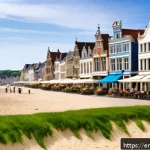
As Europe navigates a complex web of political challenges and shifting alliances, Belgium quietly stands at the center of it all. Known as the de facto capital of the European Union, this small yet influential country plays a pivotal role in shaping policies that ripple across the continent.
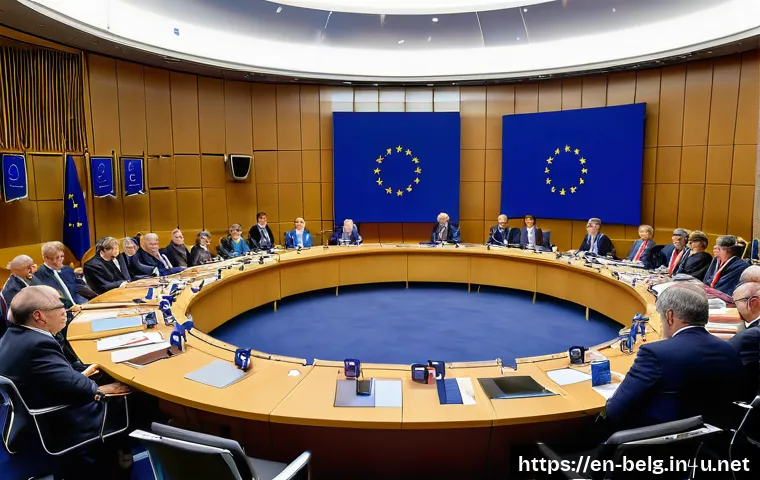
With recent developments in EU governance and diplomatic negotiations making headlines, understanding Belgium’s unique position offers valuable insight into the heart of European politics.
Join me as we explore how Belgium’s strategic location and political landscape continue to influence the future of the European Union. This journey promises to reveal surprising connections and fresh perspectives you won’t want to miss.
Strategic Hub of European Diplomacy
Brussels: The Unseen Power Player
Brussels often flies under the radar for many casual observers of European politics, yet it’s the nerve center where decisions shaping the continent unfold daily.
The city’s unique blend of international institutions, diplomatic missions, and think tanks creates an ecosystem buzzing with negotiation and influence.
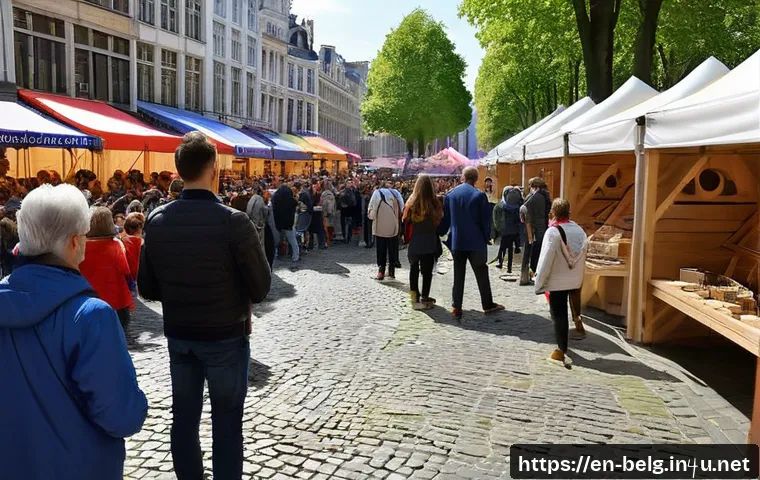
Walking through its streets, you can feel the pulse of policy being crafted, from economic reforms to climate strategies. What’s fascinating is how Belgium, a relatively small country, hosts such an outsized portion of EU administrative power, making Brussels a magnet for political actors and lobbyists alike.
This concentration of influence means Belgium indirectly steers conversations that affect over 440 million Europeans.
Hosting the European Commission and Council
Belgium’s role as the host of the European Commission and the European Council places it at the crossroads of executive and intergovernmental power within the EU framework.
These institutions are where legislative proposals originate and where heads of state convene to hammer out compromises. Belgium’s logistical and diplomatic support for these bodies has been instrumental in maintaining a smooth operation amidst the EU’s complex bureaucracy.
The country’s ability to provide a neutral ground facilitates dialogue among member states with often divergent interests, helping prevent political deadlocks.
This behind-the-scenes facilitation is a subtle but critical contribution to European unity.
Brussels as a Symbol of European Identity
Beyond the practical hosting role, Brussels symbolizes the European project’s ideals of cooperation and integration. It’s where representatives from different cultures and languages meet with a shared vision for the continent’s future.
The city’s multicultural atmosphere reflects the EU’s commitment to diversity and inclusion, providing a living example of unity in diversity. This symbolic weight strengthens Belgium’s position as a trusted mediator and promoter of European values in times of political uncertainty.
Belgium’s Complex Political Landscape and Its Impact
Federalism and Multilingualism as a Microcosm
Belgium’s internal political structure offers a fascinating parallel to the EU’s own challenges. With its division into Flemish, Walloon, and Brussels regions, each with distinct languages and political priorities, Belgium embodies the difficulties of balancing regional autonomy and national unity.
This federalism forces Belgian politicians to constantly negotiate and compromise, providing them with firsthand experience in managing diversity—experience that proves invaluable in European policy discussions.
The country’s ability to hold itself together despite these internal complexities is often cited as a model for broader European governance.
Political Fragmentation and Coalition Building
Belgium’s multi-party system and frequent coalition governments mirror the EU’s need for consensus among diverse actors. The art of coalition-building in Belgium requires patience, strategic alliances, and sometimes painful concessions—skills that Belgian politicians bring to the EU stage.
These domestic political dynamics also influence Belgium’s stance on EU matters, as national leaders juggle local pressures with international commitments.
Understanding this balancing act helps explain Belgium’s cautious yet pragmatic approach to EU reforms and enlargement debates.
Belgium’s Role in Shaping EU Crisis Responses
Belgium’s political agility has been tested during recent crises, from the eurozone debt turbulence to migration challenges. Its government’s ability to swiftly align with EU partners and propose innovative solutions demonstrates how its internal political culture translates into effective continental leadership.
Belgium’s experience managing complex coalition politics equips it to navigate the EU’s often slow-moving machinery and push for timely, cohesive responses in moments of crisis.
Economic Influence Through EU Policy Shaping
Trade and Regulatory Frameworks
Belgium’s economic strength is closely tied to its role in shaping EU trade policies and regulatory standards. As a key logistics and transport hub with major ports like Antwerp, Belgium benefits enormously from the EU’s single market.
This vested interest motivates Belgian policymakers to advocate for smooth cross-border trade and harmonized regulations, ensuring their economy remains competitive.
The country’s expertise in navigating EU economic institutions enables it to punch above its weight in trade negotiations and regulatory debates.
Innovation and Digital Transformation Initiatives
Belgium actively participates in EU programs promoting digital innovation and sustainability. Brussels hosts numerous EU-funded projects focused on advancing artificial intelligence, green technologies, and smart infrastructure.
Belgian companies and research institutions often collaborate across borders, leveraging EU funding and networks. This involvement not only boosts Belgium’s economic prospects but also positions it as a forward-thinking player in the EU’s digital and green transitions.
Balancing National Interests with EU-wide Goals
While Belgium pushes for ambitious EU economic policies, it also carefully balances national interests, particularly concerning taxation and labor regulations.
Belgian policymakers often advocate for EU-wide standards that protect workers’ rights and promote fair taxation to avoid harmful competition between member states.
This dual focus ensures Belgium remains competitive yet socially responsible, aligning with broader European values.
Security and Defense Collaboration at the Crossroads
Belgium’s Role in EU Defense Initiatives
Belgium, despite its small size, plays a crucial role in the EU’s evolving defense architecture. It contributes troops to EU missions and supports efforts to develop joint military capabilities.
Belgian defense policy emphasizes cooperation, reflecting the broader EU goal of strategic autonomy. The country’s experience in multinational military operations enhances its credibility in discussions on EU defense integration.
Counterterrorism and Intelligence Sharing
Situated at the heart of Europe, Belgium is a key player in counterterrorism efforts. Its intelligence agencies collaborate closely with EU counterparts, sharing critical information to prevent threats.
Belgium’s experience with past security incidents has heightened its commitment to robust EU-wide security frameworks. This cooperation improves the EU’s collective ability to respond to emerging challenges while respecting fundamental rights.
Cybersecurity and Emerging Threats
Belgium is increasingly involved in EU initiatives addressing cybersecurity, recognizing the growing risks posed by digital threats. Brussels hosts important EU agencies focused on cyber defense, and Belgium actively participates in joint exercises and policy development.
This proactive stance reflects an understanding that future security depends on technological resilience as much as traditional military strength.
Belgium’s Cultural Diplomacy and Soft Power
Promoting European Cultural Heritage
Belgium leverages its rich cultural history to foster European unity through arts, education, and cultural exchange programs. Hosting major EU cultural institutions and events, Belgium amplifies the continent’s shared heritage and encourages cross-cultural dialogue.
This soft power complements its political influence by building grassroots support for European integration.
Language as a Bridge in EU Communication
Belgium’s multilingualism—Dutch, French, and German—serves as a practical asset in EU communication. It facilitates dialogue among member states with diverse languages and helps ensure inclusive policymaking.
Belgian diplomats often act as mediators in linguistic and cultural misunderstandings, smoothing negotiations and fostering trust.
Educational and Research Networks
Belgium’s universities and research centers play a vital role in European academic collaboration. Through programs like Erasmus+ and Horizon Europe, Belgian institutions connect with peers across the continent, driving innovation and knowledge exchange.
This engagement strengthens Belgium’s reputation as a hub of intellectual and cultural activity within the EU.
Key Institutions and Their Influence in Brussels
European Parliament’s Presence and Functions
The European Parliament holds many of its plenary sessions in Brussels, reinforcing the city’s status as a legislative hub. Belgian MEPs are active participants in shaping laws that impact every aspect of European life.
The Parliament’s accessibility in Brussels encourages transparency and public engagement with EU affairs.
European Commission’s Policy-Making Role
The European Commission, headquartered in Brussels, initiates legislation and oversees implementation. Belgian civil servants contribute significantly to this process, bringing national expertise and perspectives.
The Commission’s presence ensures that Brussels remains a focal point for EU policy innovation and administration.
Council of the European Union and Diplomatic Negotiations
The Council convenes regularly in Brussels, where national ministers meet to coordinate policies. Belgium’s role as host and active participant allows it to influence agenda-setting and negotiation dynamics.
This institution exemplifies the EU’s intergovernmental nature, and Belgium’s involvement highlights its diplomatic skill.
| Institution | Role | Belgium’s Contribution |
|---|---|---|
| European Commission | Executive body initiating legislation and policy implementation | Hosts headquarters in Brussels; provides key civil servants and logistical support |
| European Parliament | Legislative body representing EU citizens | Plenary sessions held in Brussels; Belgian MEPs actively participate |
| Council of the European Union | Coordinates policy among member states | Hosts meetings; Belgian ministers engage in negotiations |
| European Council | Summit of heads of state/government setting EU direction | Regular meetings in Brussels; Belgium facilitates diplomatic efforts |
| EU Agencies (e.g., Europol, Frontex) | Specialized support for security, migration, etc. | Several headquartered in Belgium, enhancing operational capacity |
Challenges and Opportunities Ahead for Belgium within the EU
Navigating Brexit and Its Aftermath
Brexit reshaped the EU’s political landscape, and Belgium found itself adjusting to new realities. With the UK’s departure, Brussels gained increased importance as the primary hub for EU-UK relations and trade negotiations.
Belgian officials have had to balance maintaining strong ties with the UK while reinforcing EU cohesion. This balancing act presents both challenges and opportunities for Belgium to assert leadership in post-Brexit Europe.
Responding to Rising Populism and Euroscepticism
Belgium’s political actors remain vigilant about the rise of populist movements challenging EU integration. The country’s experience managing internal divisions equips it with unique insights into addressing skepticism through dialogue and compromise.
Belgian policymakers often advocate for reforms that increase EU transparency and responsiveness, aiming to rebuild public trust.
Leveraging Green and Digital Transitions
Looking forward, Belgium is well-positioned to capitalize on the EU’s twin transitions toward sustainability and digitalization. Its strong industrial base and innovative sectors provide a foundation for growth aligned with EU priorities.
By championing ambitious climate goals and investing in digital infrastructure, Belgium can drive economic renewal while reinforcing its influence within the EU framework.
In Conclusion
Belgium’s unique position at the heart of European diplomacy makes it an indispensable player in shaping the continent’s future. Its ability to balance internal diversity while hosting key EU institutions highlights its diplomatic strength. As challenges arise, Belgium’s experience and strategic role continue to drive European unity and progress. The country’s contributions go beyond politics, influencing economics, security, and culture throughout the EU.
Useful Information to Keep in Mind
1. Belgium’s multilingual federal system mirrors the EU’s complexity, providing valuable lessons in managing diversity and political compromise.
2. Hosting major EU institutions like the European Commission and Council places Belgium at the center of decision-making and policy implementation.
3. Belgium’s economic influence is bolstered by its strategic ports and active participation in EU trade and innovation programs.
4. Its role in EU security initiatives, from counterterrorism to cybersecurity, showcases Belgium’s commitment to collective European safety.
5. Cultural diplomacy and educational networks in Belgium reinforce European identity and foster cross-border cooperation.
Key Takeaways
Belgium’s strategic hosting of EU institutions and its complex internal politics uniquely position it as a mediator and leader within the European Union. Its economic and security contributions reflect a balance between national interests and broader EU goals, while its cultural and linguistic diversity strengthens European cohesion. Navigating ongoing challenges like Brexit and rising populism, Belgium remains a vital force in promoting integration and innovation across the continent.
Frequently Asked Questions (FAQ) 📖
Q: Why is Belgium considered the de facto capital of the European Union?
A: Belgium, and specifically Brussels, is often called the de facto capital of the European Union because it hosts the main institutions of the EU, including the European Commission, the European Council, and the European Parliament’s primary working offices.
This concentration of EU bodies makes Belgium a central hub where critical policy decisions and negotiations take place. Its strategic location and multilingual population also facilitate diplomatic interactions across diverse member states, reinforcing its key role in European politics.
Q: How does Belgium’s political landscape influence EU governance?
A: Belgium’s political landscape is uniquely complex, with a federal system that balances power among different linguistic and regional communities. This internal diversity makes Belgium a microcosm of the broader EU challenge of managing diverse interests within a unified framework.
Belgian politicians and diplomats bring firsthand experience in coalition-building and compromise, which often informs EU governance practices. Moreover, Belgium’s commitment to multilateralism and consensus-driven politics positively influences EU policymaking, especially during times of political tension among member states.
Q: What recent developments in EU governance have highlighted Belgium’s role?
A: Recent EU developments such as negotiations over the EU budget, climate policies, and migration reforms have put Belgium’s diplomatic skills in the spotlight.
Belgium often serves as a mediator during intense discussions, helping to bridge gaps between conflicting parties. For example, during the EU’s response to global crises, Belgian officials have been instrumental in facilitating dialogue and consensus.
Their ability to host and coordinate high-level meetings in Brussels also ensures that Belgium remains at the heart of shaping the EU’s future direction.